THE ADVENTURE COLLECTIVE® · Independent discovery and booking for outdoor travel

A guided stroll through Spirited Garden reveals Jeju’s volcanic stonework, bonsai collections, and philosophical garden rooms. This brief, accessible walk blends cultural history with close-up natural detail—ideal for visitors who prefer reflective exploration over crowds.
A guided stroll through Spirited Garden reveals Jeju’s volcanic stonework, bonsai collections, and philosophical garden rooms. This brief, accessible walk blends cultural history with close-up natural detail—ideal for visitors who prefer reflective exploration over crowds.
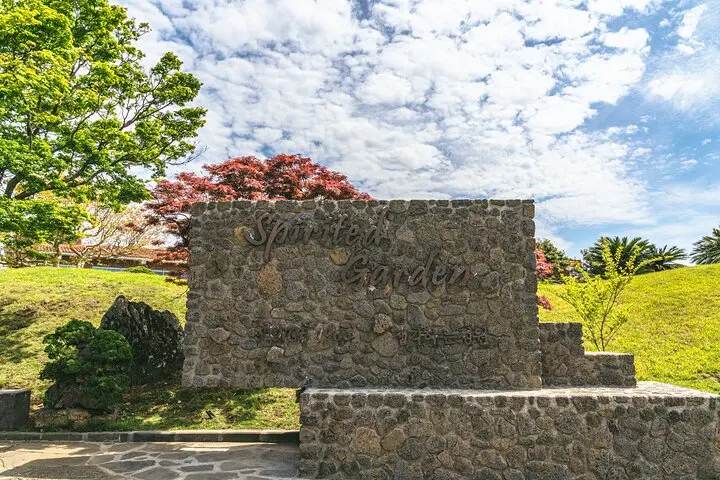
The path narrows between low basalt walls and a scrub of native trees; a slow stream skirts your boot and seems to nudge you forward. Walking Spirited Garden (Saenggakhaneun Jeongwon) is more like reading a short, quiet book—stone, water, and bonsai line seven themed rooms across roughly 40,000 square meters, each space asking a different question as you move through it.
Verified experiences and guided adventures in the surrounding area.
Operated by 생각하는 정원 · Jeju City, Jeju-do
The path narrows between low basalt walls and a scrub of native trees; a slow stream skirts your boot and seems to nudge you forward. Walking Spirited Garden (Saenggakhaneun Jeongwon) is more like reading a short, quiet book—stone, water, and bonsai line seven themed rooms across roughly 40,000 square meters, each space asking a different question as you move through it.
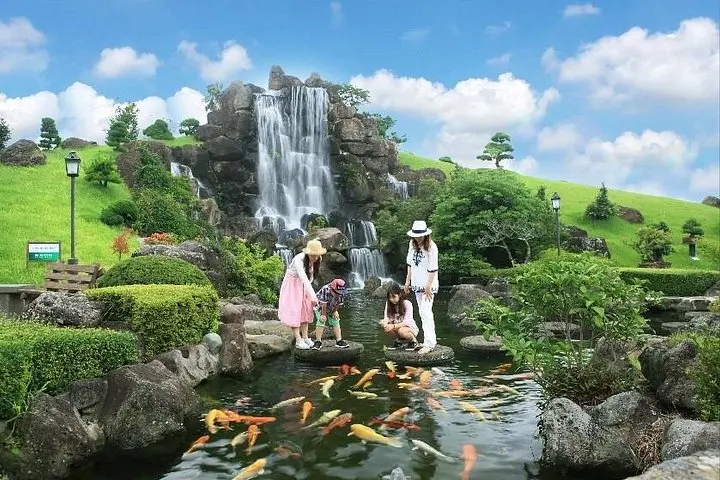
Built and curated by farmer Sung Beom-Young over decades, the garden is celebrated internationally and has been highlighted by CNN and National Geographic. Its forms reflect Jeju’s volcanic geology: black basalt walls, shaped oreum-like mounds, and ponds that hold the island’s light. The aesthetic borrows from Korean garden philosophy—minimal gestures, controlled asymmetry—and offers a cultural counterpoint to the island’s busy coastlines.
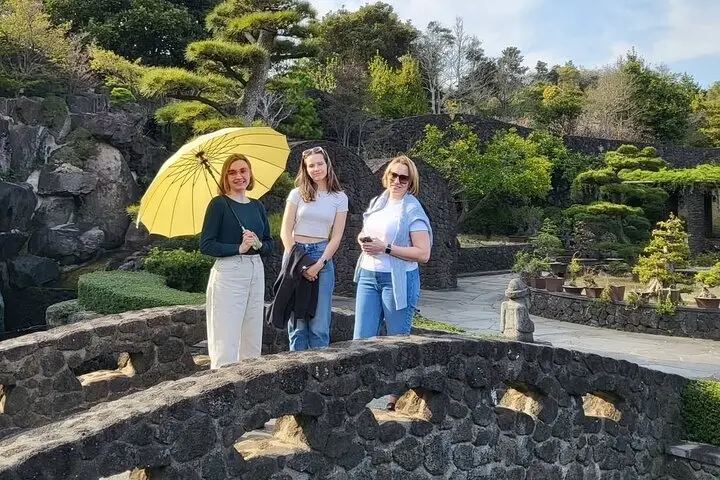
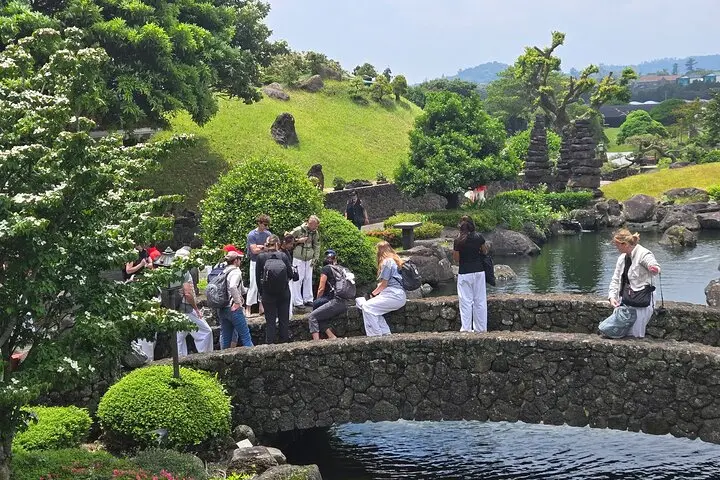
Expect close-up details: trained bonsai that feel like small forests, inscriptions on stone that invite reflection, and bridges that change how the pond behaves when you cross. The garden’s use of local volcanic stone and native tree species makes it an outdoor classroom on Jeju’s natural history.
Practicalities: most visitors spend 45–75 minutes here; paths are paved and wheelchair-accessible but can be uneven after rain. Peak light for photography is early morning or late afternoon when the basalt takes on depth. Bring water, wear supportive shoes for short inclines, and move quietly—much of the garden’s charm comes from small birds and insects you’ll only notice if you slow down.
Whether you’re after a calm cultural stroll or a study in landscape craft, Spirited Garden delivers an intimate, accessible slice of Jeju that rewards attention.
Most visitors spend 45–75 minutes exploring the seven themed sub-gardens and auxiliary structures; plan an hour to move at a relaxed pace.
Yes—paths and surfaces are designed to be wheelchair- and stroller-accessible, though some slight grading may exist in places.
Standard entry includes self-guided access; private tours may be offered through third-party operators—check booking details for options.
Service animals are allowed; other pets may be restricted—confirm with the garden before visiting.
생각하는 정원 operates guided outdoor trips and adventures with an emphasis on safety, stewardship, and memorable experiences.
The path narrows between low basalt walls and a scrub of native trees; a slow stream skirts your boot and seems to nudge you forward. Walking Spirited Garden (Saenggakhaneun Jeongwon) is more like reading a short, quiet book—stone, water, and bonsai line seven themed rooms across roughly 40,000 square meters, each space asking a different question as you move through it.
The path narrows between low basalt walls and a scrub of native trees; a slow stream skirts your boot and seems to nudge you forward. Walking Spirited Garden (Saenggakhaneun Jeongwon) is more like reading a short, quiet book—stone, water, and bonsai line seven themed rooms across roughly 40,000 square meters, each space asking a different question as you move through it.
Built and curated by farmer Sung Beom-Young over decades, the garden is celebrated internationally and has been highlighted by CNN and National Geographic. Its forms reflect Jeju’s volcanic geology: black basalt walls, shaped oreum-like mounds, and ponds that hold the island’s light. The aesthetic borrows from Korean garden philosophy—minimal gestures, controlled asymmetry—and offers a cultural counterpoint to the island’s busy coastlines.
Expect close-up details: trained bonsai that feel like small forests, inscriptions on stone that invite reflection, and bridges that change how the pond behaves when you cross. The garden’s use of local volcanic stone and native tree species makes it an outdoor classroom on Jeju’s natural history.
Practicalities: most visitors spend 45–75 minutes here; paths are paved and wheelchair-accessible but can be uneven after rain. Peak light for photography is early morning or late afternoon when the basalt takes on depth. Bring water, wear supportive shoes for short inclines, and move quietly—much of the garden’s charm comes from small birds and insects you’ll only notice if you slow down.
Whether you’re after a calm cultural stroll or a study in landscape craft, Spirited Garden delivers an intimate, accessible slice of Jeju that rewards attention.