THE ADVENTURE COLLECTIVE® · Independent discovery and booking for outdoor travel

A compact 2–3 hour walking tour that threads Stone Town’s narrow alleys, historic sites and bustling markets. Learn the Omani, Swahili and colonial history while sampling seaside street food at Forodhani Park.
A compact 2–3 hour walking tour that threads Stone Town’s narrow alleys, historic sites and bustling markets. Learn the Omani, Swahili and colonial history while sampling seaside street food at Forodhani Park.
You step from a shaded lane into a clattering market square and the city opens: carved wooden doors, winded alleys, and the tang of cloves and sea. Stone Town’s streets move like a living map—vendors calling, dhows bobbing in the harbor, and the coastline pressing close enough to hear waves.
Verified experiences and guided adventures in the surrounding area.
Operated by We Cab Tours and Safaris · Stone Town, Zanzibar
You step from a shaded lane into a clattering market square and the city opens: carved wooden doors, winded alleys, and the tang of cloves and sea. Stone Town’s streets move like a living map—vendors calling, dhows bobbing in the harbor, and the coastline pressing close enough to hear waves.
This compact walking tour threads together Zanzibar’s layered past: Swahili merchants, Omani sultans, and the Atlantic routes that made the archipelago a crossroads for the spice and slave trades. The stone buildings are coral-limestone and coral rag—materials that weather the Indian Ocean and carry stories in their worn facades. Cultural life here is public and tactile; storytellers, cooks, and shopkeepers animate the town while music and food spill into the evening at Forodhani Gardens.
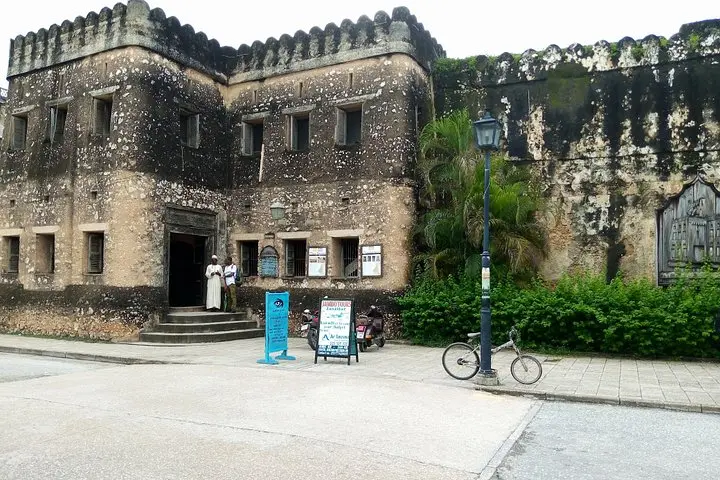
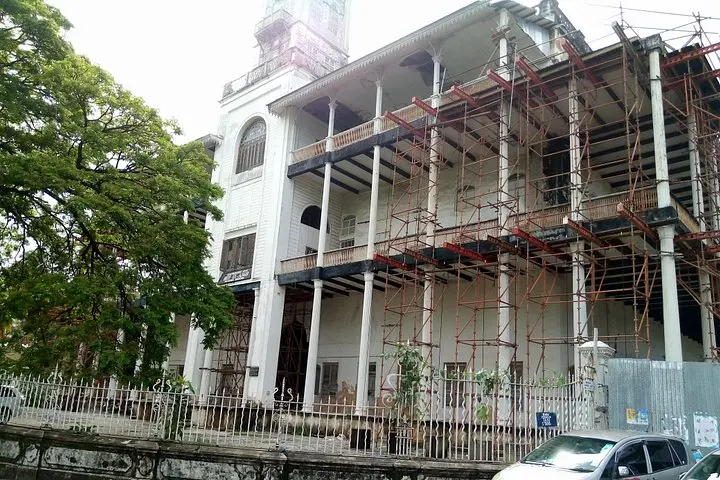
Expect a mix of short stops: the old fort, House of Wonders (exterior), the former slave market and its sobering museum, the lively Darajani Market, and Forodhani Park for sunset street food. Surfaces are uneven—flagstones and thresholds—and narrow alleys mean small group sizes move better. Guides often explain Omani architecture, colonial layers, and daily life rituals like dhow fishing and spice trading.
Practical edge: bring a reusable water bottle, sun protection, and comfortable shoes; plan this tour in the cooler morning or at dusk to avoid midday heat. Photography is welcome but respectful behavior is essential at sensitive sites. In 2–3 hours you get history, texture, and a clear sense of why Stone Town feels like a port city still in motion.
Most departures meet at Forodhani Park or your hotel in Stone Town, and return to the same area.
Yes—many paths accommodate strollers, though some alleys and market areas are tight; infants in carriers are easier.
This standard tour typically includes guiding and fees noted; confirm with the operator if specific museum entrance fees are covered.
Guides commonly speak English; ask when booking if you require another language.
We Cab Tours and Safaris operates guided outdoor trips and adventures with an emphasis on safety, stewardship, and memorable experiences.
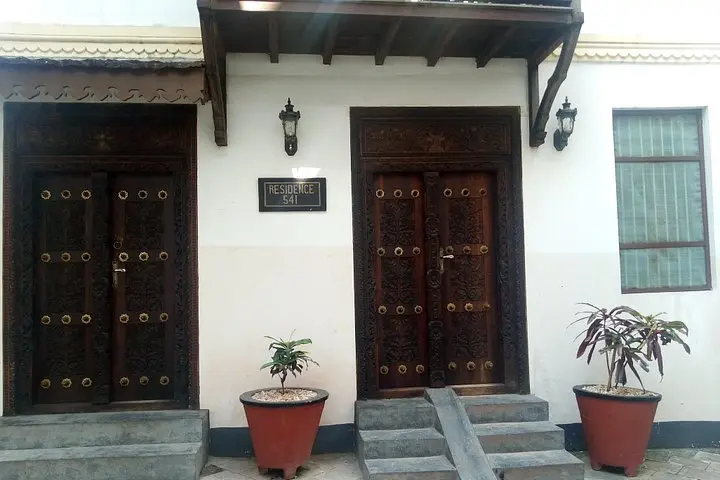
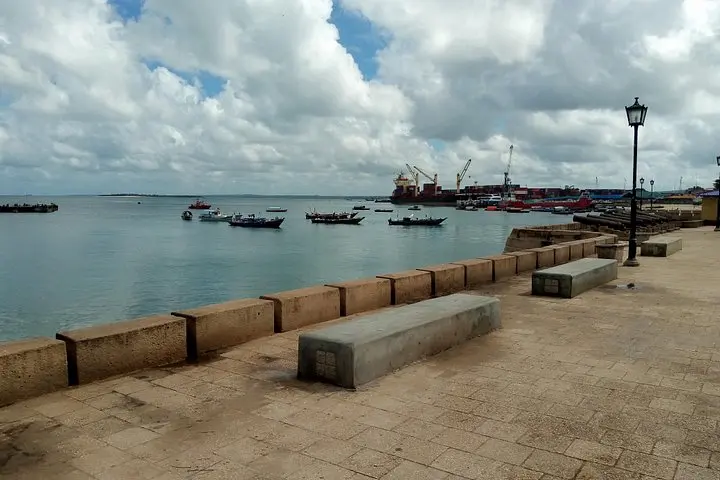
You step from a shaded lane into a clattering market square and the city opens: carved wooden doors, winded alleys, and the tang of cloves and sea. Stone Town’s streets move like a living map—vendors calling, dhows bobbing in the harbor, and the coastline pressing close enough to hear waves.
You step from a shaded lane into a clattering market square and the city opens: carved wooden doors, winded alleys, and the tang of cloves and sea. Stone Town’s streets move like a living map—vendors calling, dhows bobbing in the harbor, and the coastline pressing close enough to hear waves.
This compact walking tour threads together Zanzibar’s layered past: Swahili merchants, Omani sultans, and the Atlantic routes that made the archipelago a crossroads for the spice and slave trades. The stone buildings are coral-limestone and coral rag—materials that weather the Indian Ocean and carry stories in their worn facades. Cultural life here is public and tactile; storytellers, cooks, and shopkeepers animate the town while music and food spill into the evening at Forodhani Gardens.
Expect a mix of short stops: the old fort, House of Wonders (exterior), the former slave market and its sobering museum, the lively Darajani Market, and Forodhani Park for sunset street food. Surfaces are uneven—flagstones and thresholds—and narrow alleys mean small group sizes move better. Guides often explain Omani architecture, colonial layers, and daily life rituals like dhow fishing and spice trading.
Practical edge: bring a reusable water bottle, sun protection, and comfortable shoes; plan this tour in the cooler morning or at dusk to avoid midday heat. Photography is welcome but respectful behavior is essential at sensitive sites. In 2–3 hours you get history, texture, and a clear sense of why Stone Town feels like a port city still in motion.