THE ADVENTURE COLLECTIVE® · Independent discovery and booking for outdoor travel

Explore seven acres of native gardens, a two-story butterfly house, and family-friendly exhibits at Fair Park’s Texas Discovery Gardens. This practical guide tells you what to expect, when to visit, and how to make the most of a 1–3 hour visit.
Explore seven acres of native gardens, a two-story butterfly house, and family-friendly exhibits at Fair Park’s Texas Discovery Gardens. This practical guide tells you what to expect, when to visit, and how to make the most of a 1–3 hour visit.
A warm Texas morning at Fair Park smells of cut grass and wet earth; butterflies stake out sunlit perches and the fountain at the Grand Allée murmurs like a slow metronome. Walkways curve through seven acres where native prairie plantings and cultivated beds meet a two-story butterfly house that hums with winged activity.
Verified experiences and guided adventures in the surrounding area.
Operated by Texas Discovery Gardens · Dallas, Texas
A warm Texas morning at Fair Park smells of cut grass and wet earth; butterflies stake out sunlit perches and the fountain at the Grand Allée murmurs like a slow metronome. Walkways curve through seven acres where native prairie plantings and cultivated beds meet a two-story butterfly house that hums with winged activity.
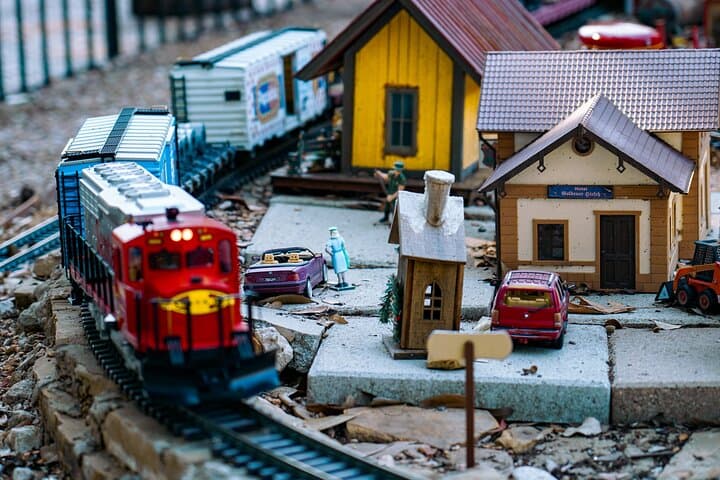
The site sits inside Fair Park, developed as part of the 1936 Texas Centennial exposition. The Gardens layer human craft onto local ecology: model trains that pass a miniature Alamo, a snake and reptile hotel, and interpretive signage that connects visitors to Dallas’s civic history and the region’s Blackland Prairies. Geologically, you’re on the flat coastal plain—views open low and long, with clay soils that favor native grasses and resilient pollinators.
Local culture here leans practical and educational; school groups and families commonly fill mornings, and staff-run programs emphasize pollinator conservation and native-plant gardening. The butterfly house gives an up-close lesson: wings beat fast, flowers offer nectar, and each visitor can learn how urban gardens sustain wildlife.
Practical guidance: allow 1–3 hours to see indoor exhibits, outdoor native gardens, and the Playscape. Weekday mornings are cooler and quieter; bring a refillable water bottle, sun protection, and a camera with a macro option for butterflies. Paths are fully wheelchair accessible and parking is free. Respect exhibit rules—no flash photography inside the butterfly house, and avoid touching any animals. Leave with ideas for planting pollinator-friendly species at home and a sharper eye for the small wildlife that urban Dallas still supports.
Only service animals are permitted inside exhibits; pets should remain outside Fair Park per venue rules.
Yes—paths, exhibits, and surfaces are wheelchair accessible and transportation options nearby are wheelchair accessible as noted.
Mobile tickets are accepted and instant confirmation is common; purchasing ahead is recommended on busy weekends or during special programs.
Most visitors spend 1–3 hours exploring the butterfly house, gardens, playscape, and interpretive exhibits.
Texas Discovery Gardens operates guided outdoor trips and adventures with an emphasis on safety, stewardship, and memorable experiences.
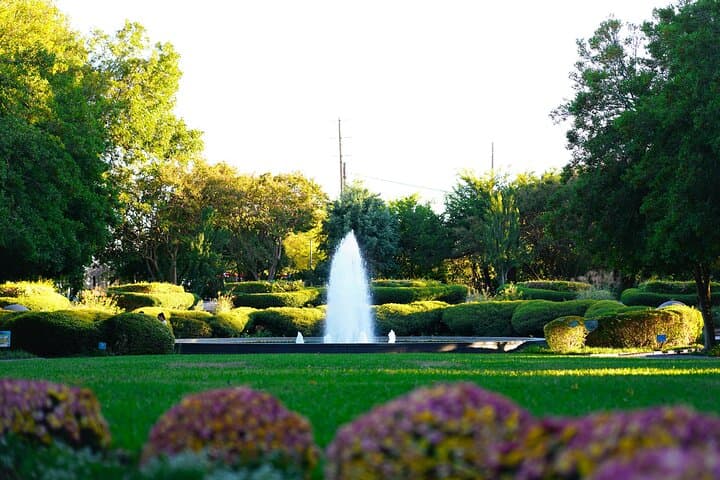
A warm Texas morning at Fair Park smells of cut grass and wet earth; butterflies stake out sunlit perches and the fountain at the Grand Allée murmurs like a slow metronome. Walkways curve through seven acres where native prairie plantings and cultivated beds meet a two-story butterfly house that hums with winged activity.
A warm Texas morning at Fair Park smells of cut grass and wet earth; butterflies stake out sunlit perches and the fountain at the Grand Allée murmurs like a slow metronome. Walkways curve through seven acres where native prairie plantings and cultivated beds meet a two-story butterfly house that hums with winged activity.
The site sits inside Fair Park, developed as part of the 1936 Texas Centennial exposition. The Gardens layer human craft onto local ecology: model trains that pass a miniature Alamo, a snake and reptile hotel, and interpretive signage that connects visitors to Dallas’s civic history and the region’s Blackland Prairies. Geologically, you’re on the flat coastal plain—views open low and long, with clay soils that favor native grasses and resilient pollinators.
Local culture here leans practical and educational; school groups and families commonly fill mornings, and staff-run programs emphasize pollinator conservation and native-plant gardening. The butterfly house gives an up-close lesson: wings beat fast, flowers offer nectar, and each visitor can learn how urban gardens sustain wildlife.
Practical guidance: allow 1–3 hours to see indoor exhibits, outdoor native gardens, and the Playscape. Weekday mornings are cooler and quieter; bring a refillable water bottle, sun protection, and a camera with a macro option for butterflies. Paths are fully wheelchair accessible and parking is free. Respect exhibit rules—no flash photography inside the butterfly house, and avoid touching any animals. Leave with ideas for planting pollinator-friendly species at home and a sharper eye for the small wildlife that urban Dallas still supports.