THE ADVENTURE COLLECTIVE® · Independent discovery and booking for outdoor travel

Shallow turquoise water, colorful reef fish at your feet and a gentle mangrove walk: the Natural Aquarium boat tour around San Andrés is an easy, family‑friendly half‑day on calm Caribbean waters. Read on for what to expect, where to stay, and practical tips for a smooth snorkel.
Shallow turquoise water, colorful reef fish at your feet and a gentle mangrove walk: the Natural Aquarium boat tour around San Andrés is an easy, family‑friendly half‑day on calm Caribbean waters. Read on for what to expect, where to stay, and practical tips for a smooth snorkel.
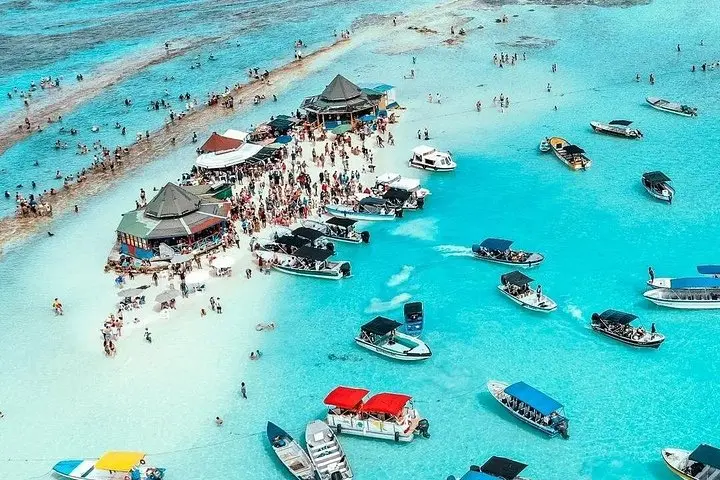
You step from the boat onto thigh‑deep water that shimmers like glass; tiny parrotfish and sergeant majors dart around your ankles while the sun lays a warm palm on your shoulders. The water here never gets deep—often under 50 cm—so snorkeling feels like walking through a living aquarium where corals and schooling fish go about their day as if you were a curious visitor.
Verified experiences and guided adventures in the surrounding area.
Operated by Agencia de Viajes y Turismo Bonaitur · San Andrés, San Andrés Department
You step from the boat onto thigh‑deep water that shimmers like glass; tiny parrotfish and sergeant majors dart around your ankles while the sun lays a warm palm on your shoulders. The water here never gets deep—often under 50 cm—so snorkeling feels like walking through a living aquarium where corals and schooling fish go about their day as if you were a curious visitor.
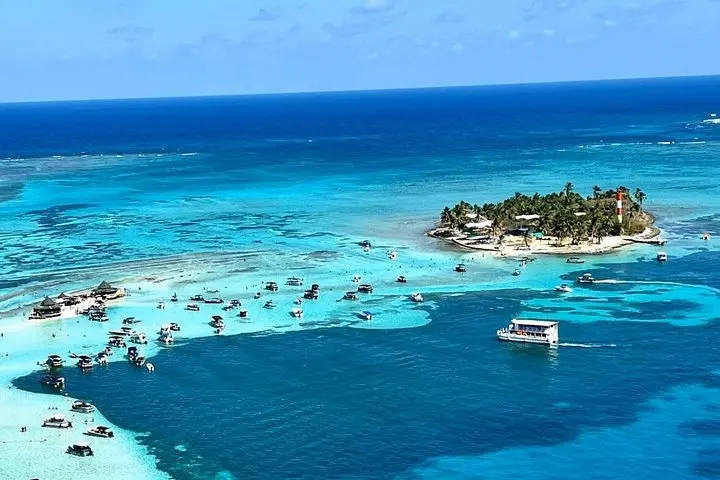
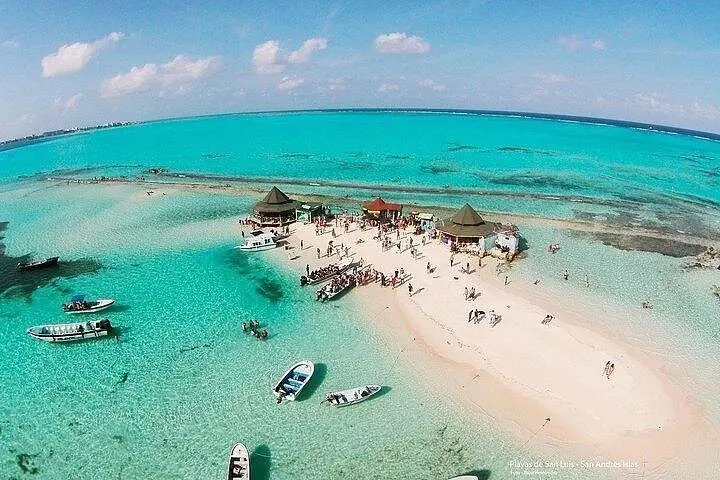
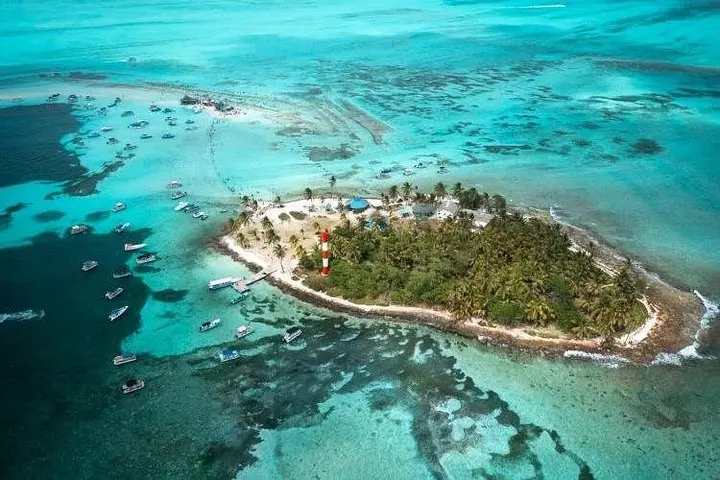
Geologically, San Andrés is a raised seafloor of coral sand and limestone sculpted by currents, which has produced broad shallow banks and tiny cayes such as Haynes Cay and Rose Cay (the Natural Aquarium). Culturally the island blends Afro‑Caribbean and Raizal traditions; boats, bright houses, and reggae rhythms are part of the daily backdrop. Mangrove channels nearby host juvenile fish and shorebirds, and White Watta’s pale lagoon offers postcard‑quiet water.
Practically, this is an easy half‑day boat trip suited for families and beginner snorkelers. Expect a mix of short landings on sand, guided shallow swims, and a relaxed mangrove walk. The guide typically provides basic snorkeling instruction and points out species and coral types. Bring reef‑safe sunscreen, a lightweight mask and snorkel, a waterproof bag, and a wind‑layer for the return trip—the wind can sharpen on open water.
Timing matters: go in the morning for calmer seas and brighter water, and watch incoming clouds—operators will reschedule if weather threatens safety. Respect the corals: avoid standing on them and use the provided guidance to minimize your footprint. This boat tour delivers vivid, accessible marine encounters without deep dives—perfect for anyone who wants to meet the Caribbean reef at eye level.
The shallow banks typically range from ankle‑deep to about 50 cm, making it ideal for standing snorkeling and safe for children under supervision.
Many operators supply basic masks and snorkels, but bringing your own ensures fit and hygiene—check the tour details before booking.
Smaller tour boats may have limited facilities; ask the operator in advance if onboard restrooms are important for your group.
Yes—non‑swimmers can stay on the boat, wade in very shallow areas, or use flotation devices provided; inform guides of any concerns so they can accommodate you.
Agencia de Viajes y Turismo Bonaitur operates guided outdoor trips and adventures with an emphasis on safety, stewardship, and memorable experiences.
You step from the boat onto thigh‑deep water that shimmers like glass; tiny parrotfish and sergeant majors dart around your ankles while the sun lays a warm palm on your shoulders. The water here never gets deep—often under 50 cm—so snorkeling feels like walking through a living aquarium where corals and schooling fish go about their day as if you were a curious visitor.
You step from the boat onto thigh‑deep water that shimmers like glass; tiny parrotfish and sergeant majors dart around your ankles while the sun lays a warm palm on your shoulders. The water here never gets deep—often under 50 cm—so snorkeling feels like walking through a living aquarium where corals and schooling fish go about their day as if you were a curious visitor.
Geologically, San Andrés is a raised seafloor of coral sand and limestone sculpted by currents, which has produced broad shallow banks and tiny cayes such as Haynes Cay and Rose Cay (the Natural Aquarium). Culturally the island blends Afro‑Caribbean and Raizal traditions; boats, bright houses, and reggae rhythms are part of the daily backdrop. Mangrove channels nearby host juvenile fish and shorebirds, and White Watta’s pale lagoon offers postcard‑quiet water.
Practically, this is an easy half‑day boat trip suited for families and beginner snorkelers. Expect a mix of short landings on sand, guided shallow swims, and a relaxed mangrove walk. The guide typically provides basic snorkeling instruction and points out species and coral types. Bring reef‑safe sunscreen, a lightweight mask and snorkel, a waterproof bag, and a wind‑layer for the return trip—the wind can sharpen on open water.
Timing matters: go in the morning for calmer seas and brighter water, and watch incoming clouds—operators will reschedule if weather threatens safety. Respect the corals: avoid standing on them and use the provided guidance to minimize your footprint. This boat tour delivers vivid, accessible marine encounters without deep dives—perfect for anyone who wants to meet the Caribbean reef at eye level.