THE ADVENTURE COLLECTIVE® · Independent discovery and booking for outdoor travel

A coast-to-highlands 12-day itinerary that links Lima, Paracas, Arequipa, Lake Titicaca, the Sun Route and Machu Picchu — ideal for travelers who want a curated, active introduction to Peru’s landscapes, archaeology and living cultures.
A coast-to-highlands 12-day itinerary that links Lima, Paracas, Arequipa, Lake Titicaca, the Sun Route and Machu Picchu — ideal for travelers who want a curated, active introduction to Peru’s landscapes, archaeology and living cultures.
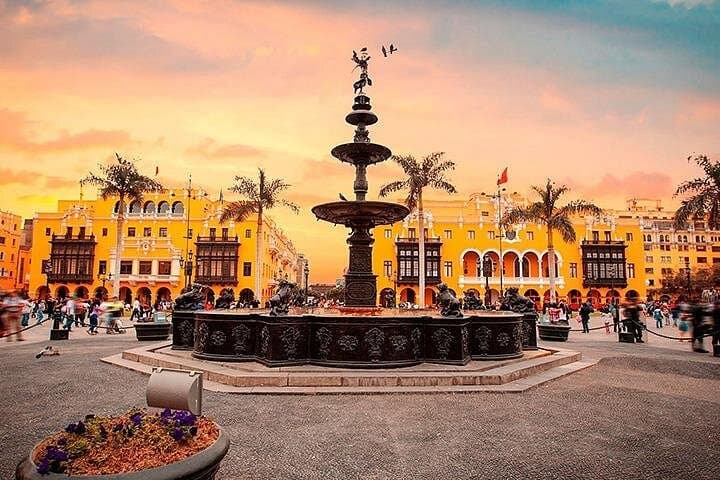
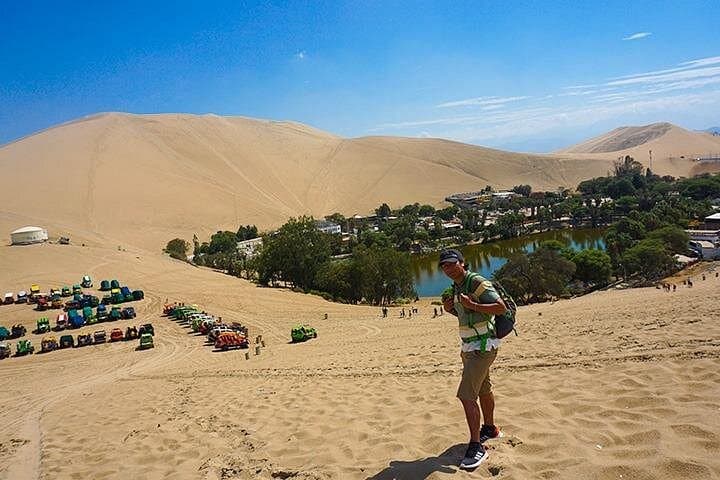
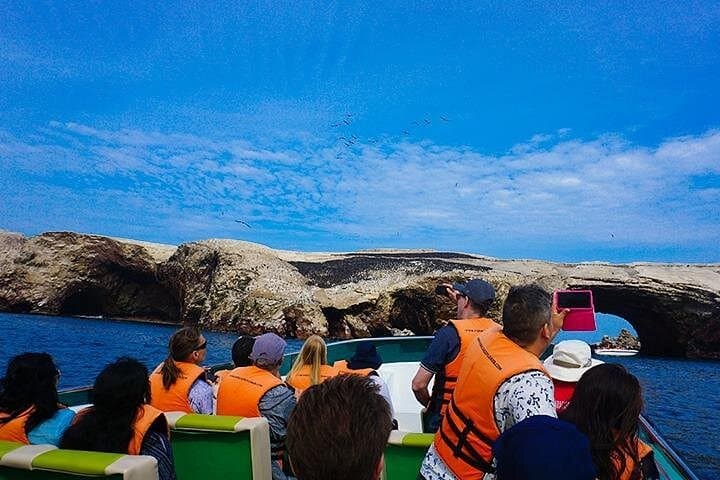
You step off the bus into Miraflores air—Pacific salt and traffic mixing with the bright chatter of vendors—and the trip’s rhythm becomes clear: a run from coastal cliffs to the high Andes and back. Over 12 days you’ll move through Lima’s colonial plazas, watch Humboldt penguins at the Ballestas, dune-ride in Huacachina, stand beneath Arequipa’s white sillar and peer into Colca Canyon where condors wheel.
Verified experiences and guided adventures in the surrounding area.
Operated by Exclusive Peru Tours · Lima, Lima
You step off the bus into Miraflores air—Pacific salt and traffic mixing with the bright chatter of vendors—and the trip’s rhythm becomes clear: a run from coastal cliffs to the high Andes and back. Over 12 days you’ll move through Lima’s colonial plazas, watch Humboldt penguins at the Ballestas, dune-ride in Huacachina, stand beneath Arequipa’s white sillar and peer into Colca Canyon where condors wheel.
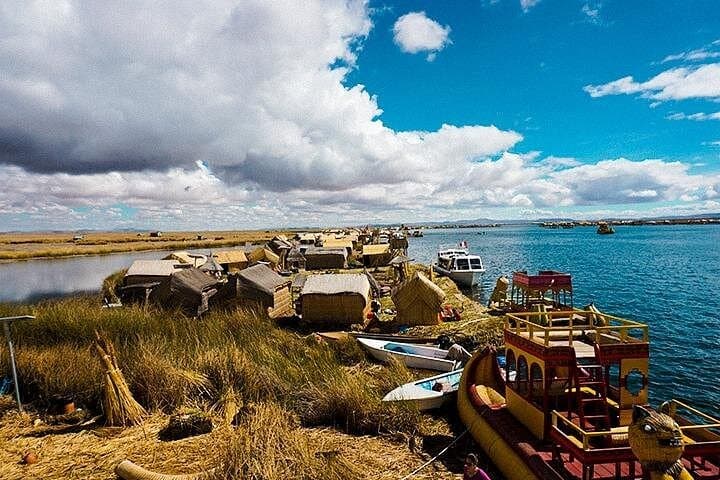
This route stitches colonial history and pre-Columbian engineering: Lima’s Spanish mansions sit above pre-Inca terraces; Cusco’s finely cut stones at Qoricancha and Sacsayhuamán preface the aerial geometry of Machu Picchu. Geology is a constant companion—coastal desert, volcanic peaks like Misti, and the broad basin of Lake Titicaca shaped by uplift and erosion. Local culture stays visible at Pisac’s markets, on reed islands of the Uros, and in homestays on Amantani where Quechua customs and woven textiles mark daily life.
Expect high-altitude sections (Puno, Cusco) and long transfers by bus and train. Practical planning: prioritize a few days to acclimatize, pack layered clothing for sharp diurnal shifts, and reserve Machu Picchu entry times in advance. Bring cash for small community fees and tips; water and sun protection are non-negotiable. The pace is active but accessible—this is a tour for travelers who want a curated passage through Peru’s landscapes and living traditions, with time to absorb a few sites deeply rather than rush past them.
Yes — tickets and morning/afternoon entry slots sell out, especially in the dry season; book them before departure when included in a package.
Carry several hundred Peruvian soles for small purchases, tips, community fees and remote services; major cities accept cards but remote islands and markets often do not.
This trip includes uneven sites, stairs, boat rides and long bus transfers; it is not ideal for travelers with serious mobility constraints.
Routine vaccines are advised; consider altitude precautions for highland visits and use bottled or purified water for drinking in remote areas.
Exclusive Peru Tours operates guided outdoor trips and adventures with an emphasis on safety, stewardship, and memorable experiences.
You step off the bus into Miraflores air—Pacific salt and traffic mixing with the bright chatter of vendors—and the trip’s rhythm becomes clear: a run from coastal cliffs to the high Andes and back. Over 12 days you’ll move through Lima’s colonial plazas, watch Humboldt penguins at the Ballestas, dune-ride in Huacachina, stand beneath Arequipa’s white sillar and peer into Colca Canyon where condors wheel.
You step off the bus into Miraflores air—Pacific salt and traffic mixing with the bright chatter of vendors—and the trip’s rhythm becomes clear: a run from coastal cliffs to the high Andes and back. Over 12 days you’ll move through Lima’s colonial plazas, watch Humboldt penguins at the Ballestas, dune-ride in Huacachina, stand beneath Arequipa’s white sillar and peer into Colca Canyon where condors wheel.
This route stitches colonial history and pre-Columbian engineering: Lima’s Spanish mansions sit above pre-Inca terraces; Cusco’s finely cut stones at Qoricancha and Sacsayhuamán preface the aerial geometry of Machu Picchu. Geology is a constant companion—coastal desert, volcanic peaks like Misti, and the broad basin of Lake Titicaca shaped by uplift and erosion. Local culture stays visible at Pisac’s markets, on reed islands of the Uros, and in homestays on Amantani where Quechua customs and woven textiles mark daily life.
Expect high-altitude sections (Puno, Cusco) and long transfers by bus and train. Practical planning: prioritize a few days to acclimatize, pack layered clothing for sharp diurnal shifts, and reserve Machu Picchu entry times in advance. Bring cash for small community fees and tips; water and sun protection are non-negotiable. The pace is active but accessible—this is a tour for travelers who want a curated passage through Peru’s landscapes and living traditions, with time to absorb a few sites deeply rather than rush past them.