THE ADVENTURE COLLECTIVE® · Independent discovery and booking for outdoor travel

Cover more ground on the Camino de Santiago with an electric bike rental—ride medieval lanes, manage hills with battery assist, and plan stages that match your pace. Read practical tips on terrain, charging, and local customs before you go.
Cover more ground on the Camino de Santiago with an electric bike rental—ride medieval lanes, manage hills with battery assist, and plan stages that match your pace. Read practical tips on terrain, charging, and local customs before you go.
You roll out of a stone village at dawn, an electric bike humming beneath you while mist lifts off fields that have guided pilgrims for a thousand years. The Camino’s tracks unfurl—packed dirt, cobbled lanes, and quiet country roads—inviting a different pace: faster than walking, intimate enough to read the landscape.
Verified experiences and guided adventures in the surrounding area.
Operated by TT3Ways · Santiago de Compostela, Galicia
You roll out of a stone village at dawn, an electric bike humming beneath you while mist lifts off fields that have guided pilgrims for a thousand years. The Camino’s tracks unfurl—packed dirt, cobbled lanes, and quiet country roads—inviting a different pace: faster than walking, intimate enough to read the landscape.
The Camino de Santiago is a network of pilgrimage routes with medieval roots leading to the cathedral in Santiago de Compostela. Geologically the route crosses Galicia’s granite hills and river valleys; expect short, steep ramps and long, rolling descents. Culturally, villages along the way keep pilgrim traditions alive—albergues, waymarks, and small chapels—while taverns serve local seafood and Galician empanadas.
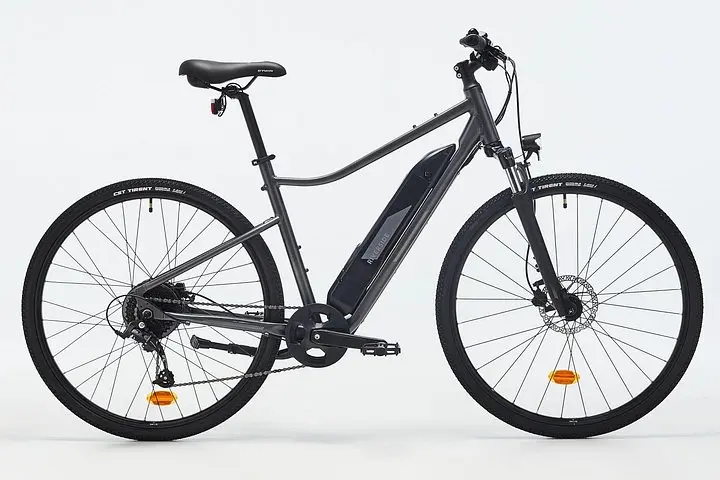
Practically, e-bikes make 15–40 km stages feel accessible: plan daily distances of 20–35 km on mixed terrain with typical elevation gains of 200–600 m on hilly stretches. Battery range varies by model and assist level (commonly 40–80 km per charge); carry the charger and plan charging stops in towns. Tires that handle gravel and cobbles, confident cornering on wet granite, and basic mechanical comfort matter more than road-racing fitness.
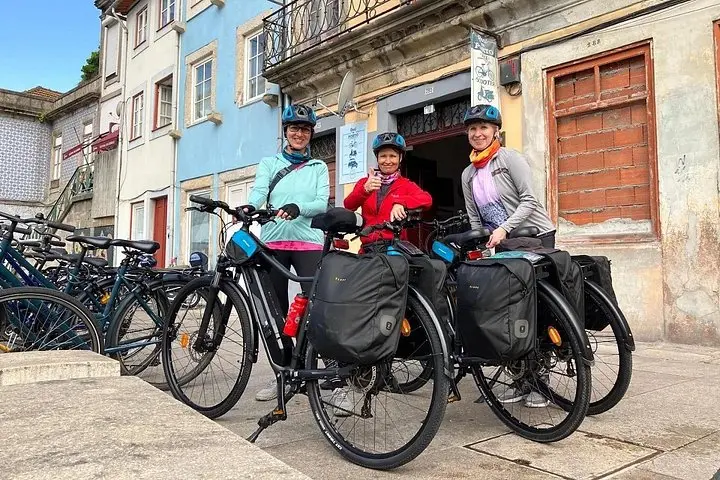
Timing is everything—start early to avoid midday heat in summer and muddy trails in winter. Respect local signage and pilgrimage etiquette: stay on marked paths, lock bikes in villages, and keep noise low near albergues. Technical support and saddlebags included with many rentals reduce logistics, leaving you to focus on the ride, the small churches, and the long view that keeps pulling you toward Santiago.
Range varies by battery and assist level; expect roughly 40–80 km per full charge—plan to recharge in towns when possible.
Many rental services offer collection or return in Santiago; check the provider’s options for pickup and transfer services.
No advanced skills necessary, but you should be comfortable on mixed surfaces and able to manage short steep climbs and descents.
Expect a mix of paved country roads, compacted dirt tracks, gravel, and occasional cobblestones—choose tires and speed accordingly.
TT3Ways operates guided outdoor trips and adventures with an emphasis on safety, stewardship, and memorable experiences.

You roll out of a stone village at dawn, an electric bike humming beneath you while mist lifts off fields that have guided pilgrims for a thousand years. The Camino’s tracks unfurl—packed dirt, cobbled lanes, and quiet country roads—inviting a different pace: faster than walking, intimate enough to read the landscape.
You roll out of a stone village at dawn, an electric bike humming beneath you while mist lifts off fields that have guided pilgrims for a thousand years. The Camino’s tracks unfurl—packed dirt, cobbled lanes, and quiet country roads—inviting a different pace: faster than walking, intimate enough to read the landscape.
The Camino de Santiago is a network of pilgrimage routes with medieval roots leading to the cathedral in Santiago de Compostela. Geologically the route crosses Galicia’s granite hills and river valleys; expect short, steep ramps and long, rolling descents. Culturally, villages along the way keep pilgrim traditions alive—albergues, waymarks, and small chapels—while taverns serve local seafood and Galician empanadas.
Practically, e-bikes make 15–40 km stages feel accessible: plan daily distances of 20–35 km on mixed terrain with typical elevation gains of 200–600 m on hilly stretches. Battery range varies by model and assist level (commonly 40–80 km per charge); carry the charger and plan charging stops in towns. Tires that handle gravel and cobbles, confident cornering on wet granite, and basic mechanical comfort matter more than road-racing fitness.
Timing is everything—start early to avoid midday heat in summer and muddy trails in winter. Respect local signage and pilgrimage etiquette: stay on marked paths, lock bikes in villages, and keep noise low near albergues. Technical support and saddlebags included with many rentals reduce logistics, leaving you to focus on the ride, the small churches, and the long view that keeps pulling you toward Santiago.