THE ADVENTURE COLLECTIVE® · Independent discovery and booking for outdoor travel

Spend a day in Lebanon’s mountain heart: breakfast at a saj eatery, the Gibran Museum, a walk among ancient Cedrus libani and cliffside views of the UNESCO-listed Qadisha Valley. Practical, culturally aware, and accessible for most fitness levels.
Spend a day in Lebanon’s mountain heart: breakfast at a saj eatery, the Gibran Museum, a walk among ancient Cedrus libani and cliffside views of the UNESCO-listed Qadisha Valley. Practical, culturally aware, and accessible for most fitness levels.
A pale mountain light strips the town of Bsharri into sharp edges as your driver winds upward. Steam rises from a saj griddle; the smell of fresh bread and cheese competes with cold, resinous air from the cedars. This full-day private tour threads art, forest and cliff: a quiet morning at the Gibran Museum, a slow walk amid ancient Cedrus libani, then the rugged gorge of the Qadisha Valley with its cliffside monasteries.
Verified experiences and guided adventures in the surrounding area.
Operated by Presentail Tours · Bsharri, North Governorate
A pale mountain light strips the town of Bsharri into sharp edges as your driver winds upward. Steam rises from a saj griddle; the smell of fresh bread and cheese competes with cold, resinous air from the cedars. This full-day private tour threads art, forest and cliff: a quiet morning at the Gibran Museum, a slow walk amid ancient Cedrus libani, then the rugged gorge of the Qadisha Valley with its cliffside monasteries.
The cedars here are living history—trees referenced by Phoenician shipwrights and later prized by empires for durable timber. Geologically, the Qadisha cuts through limestone carved by millennia of river action and freeze-thaw cycles, leaving steep gorges that shelter monastic communities dating to the early Christian era.
Culturally the region balances mountain hospitality and monastic quiet; expect small-town eateries serving saj breads and strong coffee, and monasteries where modest dress and silence are customary. Conservation is visible: fenced saplings and reforestation signs remind you these groves are fragile and actively managed.
Practicalities: allow roughly 6–7 hours for the experience; elevations reach about 1,800–2,000 m, so layers are wise. Trails in the cedar grove are short and well-marked but uneven; the Qadisha overlooks require steady footing. Carry water, sun protection, and modest clothing for religious sites. Traffic north of Beirut can add time—start early to maximize light and avoid afternoon crowds.
This itinerary blends accessible walking, cultural stops and scenic driving—ideal for travelers who want concentrated mountain heritage without technical hiking.
Drive time varies with traffic but typically 2–3 hours one-way; the tour is structured to account for transit time and sightseeing.
No—walks in the Cedars of God are short and suitable for most visitors, though paths are uneven and may include steps or tree roots.
The tour includes a traditional saj breakfast and bottled water; bring cash if you want extra snacks or purchases in town.
Many monasteries are open to visitors but require modest dress and respectful behavior; some may close for services—check with your guide.
Presentail Tours operates guided outdoor trips and adventures with an emphasis on safety, stewardship, and memorable experiences.
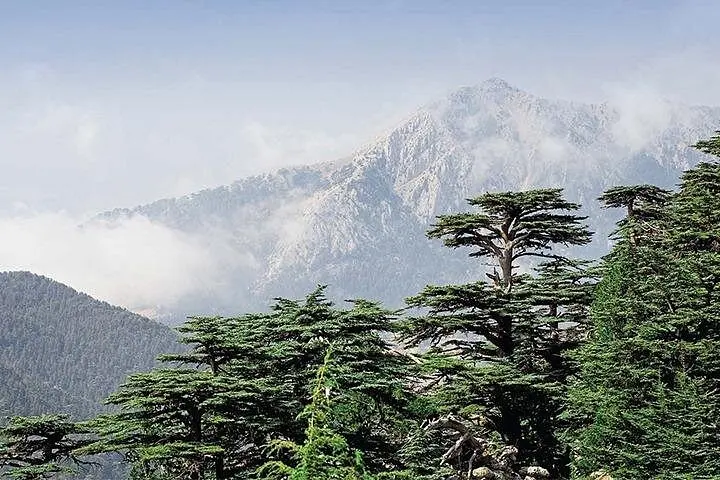
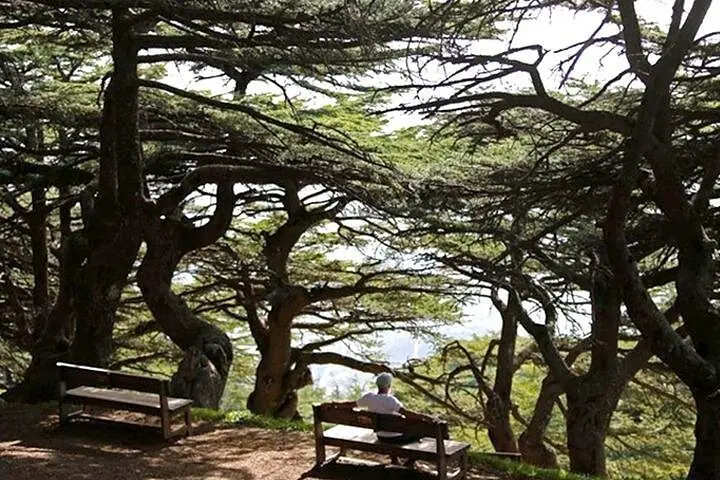
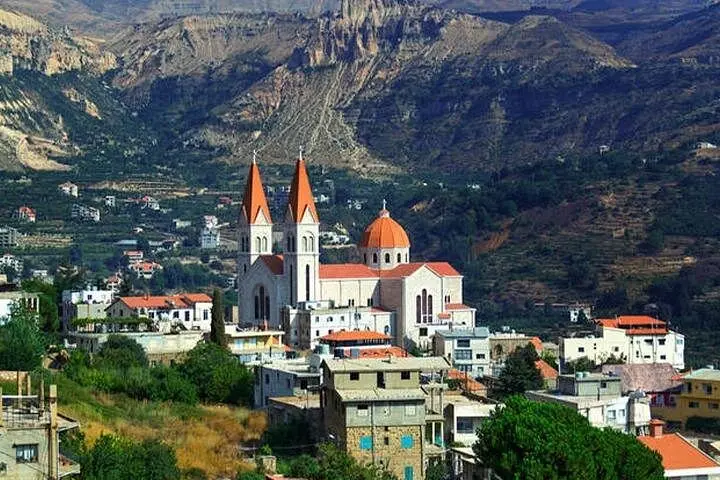
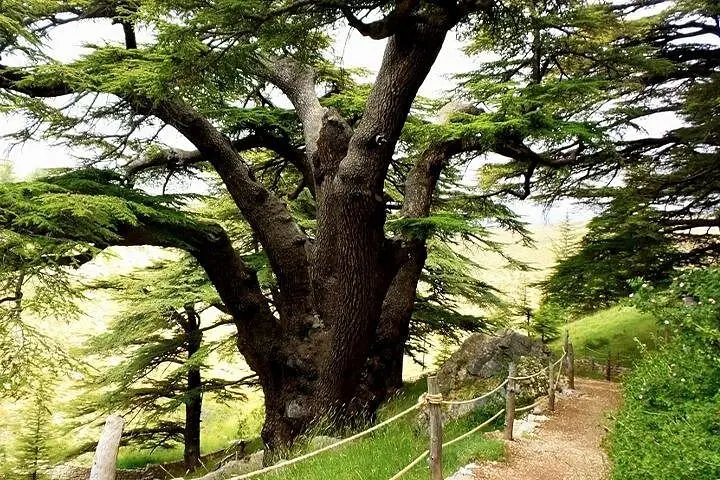
A pale mountain light strips the town of Bsharri into sharp edges as your driver winds upward. Steam rises from a saj griddle; the smell of fresh bread and cheese competes with cold, resinous air from the cedars. This full-day private tour threads art, forest and cliff: a quiet morning at the Gibran Museum, a slow walk amid ancient Cedrus libani, then the rugged gorge of the Qadisha Valley with its cliffside monasteries.
A pale mountain light strips the town of Bsharri into sharp edges as your driver winds upward. Steam rises from a saj griddle; the smell of fresh bread and cheese competes with cold, resinous air from the cedars. This full-day private tour threads art, forest and cliff: a quiet morning at the Gibran Museum, a slow walk amid ancient Cedrus libani, then the rugged gorge of the Qadisha Valley with its cliffside monasteries.
The cedars here are living history—trees referenced by Phoenician shipwrights and later prized by empires for durable timber. Geologically, the Qadisha cuts through limestone carved by millennia of river action and freeze-thaw cycles, leaving steep gorges that shelter monastic communities dating to the early Christian era.
Culturally the region balances mountain hospitality and monastic quiet; expect small-town eateries serving saj breads and strong coffee, and monasteries where modest dress and silence are customary. Conservation is visible: fenced saplings and reforestation signs remind you these groves are fragile and actively managed.
Practicalities: allow roughly 6–7 hours for the experience; elevations reach about 1,800–2,000 m, so layers are wise. Trails in the cedar grove are short and well-marked but uneven; the Qadisha overlooks require steady footing. Carry water, sun protection, and modest clothing for religious sites. Traffic north of Beirut can add time—start early to maximize light and avoid afternoon crowds.
This itinerary blends accessible walking, cultural stops and scenic driving—ideal for travelers who want concentrated mountain heritage without technical hiking.