THE ADVENTURE COLLECTIVE® · Independent discovery and booking for outdoor travel

Descend beneath Westminster to stand in the preserved Cabinet War Rooms where Churchill and his cabinet steered Britain through WWII. This concise guide covers what you’ll see, how to plan your visit, and practical tips to make the most of the two-hour experience.
Descend beneath Westminster to stand in the preserved Cabinet War Rooms where Churchill and his cabinet steered Britain through WWII. This concise guide covers what you’ll see, how to plan your visit, and practical tips to make the most of the two-hour experience.
You descend a narrow stair and the city’s clamor fades; the concrete hush of the Cabinet War Rooms closes around you. Fluorescent light picks out painted doors, old telephones and the soft sheen of maps that once directed convoys and convulsion. The rooms feel like a held breath from 1940 — practical, urgent, and stubbornly alive.
Verified experiences and guided adventures in the surrounding area.
Operated by Levifly UK · London, England
You descend a narrow stair and the city’s clamor fades; the concrete hush of the Cabinet War Rooms closes around you. Fluorescent light picks out painted doors, old telephones and the soft sheen of maps that once directed convoys and convulsion. The rooms feel like a held breath from 1940 — practical, urgent, and stubbornly alive.
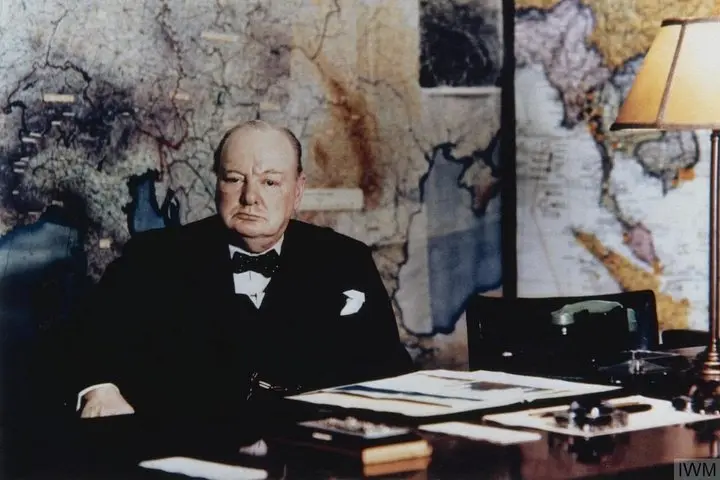
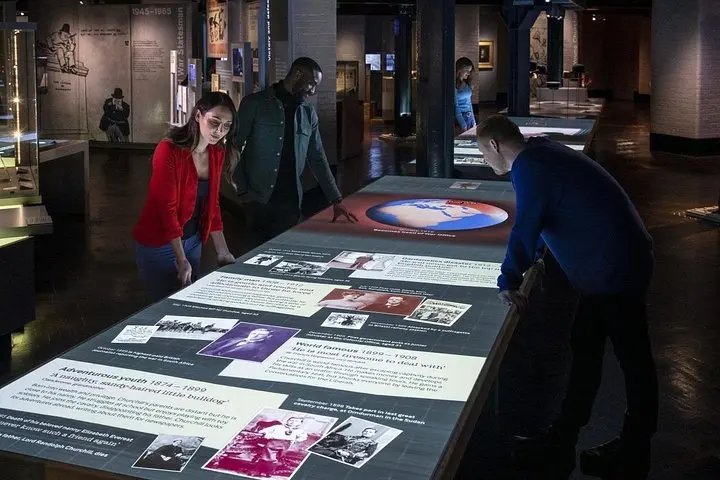
Beneath Westminster, this subterranean complex served as Britain’s wartime nerve centre from 1939–45, where Winston Churchill and his cabinet planned strategy and received coded reports. The adjoining Churchill Museum contextualizes the man and the moment with speeches, personal artifacts and multimedia that trace the arc from imperial politics to wartime leadership. Geologically, the bunker sits through London Clay and man-made infill, which helped preserve the concrete corridors and original fittings.
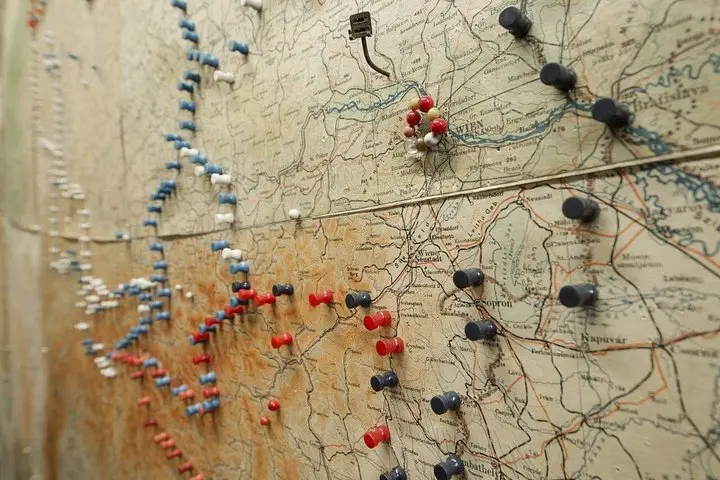
Culturally the site is a focal point of British memory: school groups, historians and descendants come to stand where leaders debated bombing raids, rationing and alliances. Look closely at the Map Room — its chalk marks and pins still suggest the rhythm of crisis management — and don’t miss the disguised Transatlantic Telephone Room, hidden behind a private lavatory.
Practical guidance: allow 90–120 minutes for a full visit; tickets are mobile-only and check the museum’s photography rules. The site is largely step-accessed with some tight corridors, so arrive midweek or early morning to avoid crowds, and factor in bag checks. Public transport is the easiest approach — St. James’s Park and Westminster stations are a short walk. Dress in layers: the underground temperature is steady but cool. Plan logistics around a fixed two-hour tour window and reserve tickets in advance during school holidays.
Plan 90–120 minutes to complete the War Rooms and the Churchill Museum at a steady pace; historians and enthusiasts may stay longer.
The booking is listed as all sales final; check the provider’s policy before purchasing and book the correct date and time.
There are stairs down to the bunker and some narrow corridors; contact the museum in advance to discuss specific access needs and available assistance.
Photography rules vary by exhibit; casual photography is generally allowed in many areas but avoid tripods and flash—follow posted signage and staff instructions.
Levifly UK operates guided outdoor trips and adventures with an emphasis on safety, stewardship, and memorable experiences.
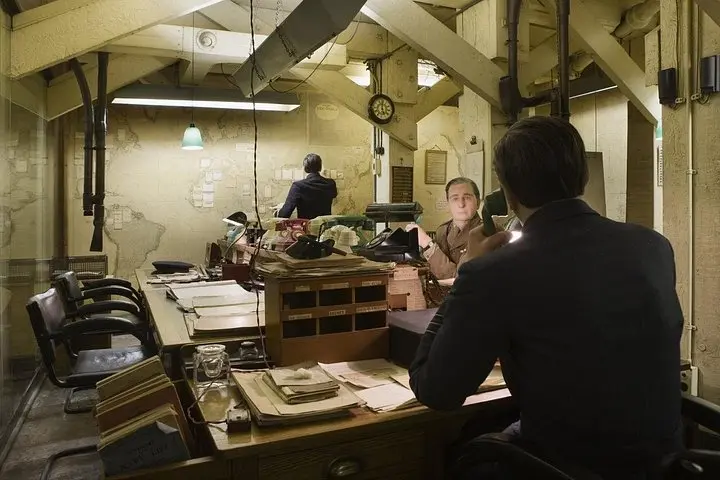
You descend a narrow stair and the city’s clamor fades; the concrete hush of the Cabinet War Rooms closes around you. Fluorescent light picks out painted doors, old telephones and the soft sheen of maps that once directed convoys and convulsion. The rooms feel like a held breath from 1940 — practical, urgent, and stubbornly alive.
You descend a narrow stair and the city’s clamor fades; the concrete hush of the Cabinet War Rooms closes around you. Fluorescent light picks out painted doors, old telephones and the soft sheen of maps that once directed convoys and convulsion. The rooms feel like a held breath from 1940 — practical, urgent, and stubbornly alive.
Beneath Westminster, this subterranean complex served as Britain’s wartime nerve centre from 1939–45, where Winston Churchill and his cabinet planned strategy and received coded reports. The adjoining Churchill Museum contextualizes the man and the moment with speeches, personal artifacts and multimedia that trace the arc from imperial politics to wartime leadership. Geologically, the bunker sits through London Clay and man-made infill, which helped preserve the concrete corridors and original fittings.
Culturally the site is a focal point of British memory: school groups, historians and descendants come to stand where leaders debated bombing raids, rationing and alliances. Look closely at the Map Room — its chalk marks and pins still suggest the rhythm of crisis management — and don’t miss the disguised Transatlantic Telephone Room, hidden behind a private lavatory.
Practical guidance: allow 90–120 minutes for a full visit; tickets are mobile-only and check the museum’s photography rules. The site is largely step-accessed with some tight corridors, so arrive midweek or early morning to avoid crowds, and factor in bag checks. Public transport is the easiest approach — St. James’s Park and Westminster stations are a short walk. Dress in layers: the underground temperature is steady but cool. Plan logistics around a fixed two-hour tour window and reserve tickets in advance during school holidays.