THE ADVENTURE COLLECTIVE® · Independent discovery and booking for outdoor travel

Walk the stones of ancient Jerusalem on a private guided visit to the City of David. Explore Hezekiah’s Tunnel, the Pool of Siloam and underground ruins while learning the archaeological and cultural story of the city’s origins.
Walk the stones of ancient Jerusalem on a private guided visit to the City of David. Explore Hezekiah’s Tunnel, the Pool of Siloam and underground ruins while learning the archaeological and cultural story of the city’s origins.
You step through a low entrance and the modern noise of the Old City falls away—stone corridors cool underfoot, a steady drip of groundwater setting a tempo. Light pools on ancient cobbles where kings once walked; voices reverberate off carved ashlar that predate the surrounding neighborhoods.
Verified experiences and guided adventures in the surrounding area.
Operated by Nissim Slama - Guide et Conférencier - Tour Guide & Lecturer · Jerusalem, Jerusalem District
You step through a low entrance and the modern noise of the Old City falls away—stone corridors cool underfoot, a steady drip of groundwater setting a tempo. Light pools on ancient cobbles where kings once walked; voices reverberate off carved ashlar that predate the surrounding neighborhoods.
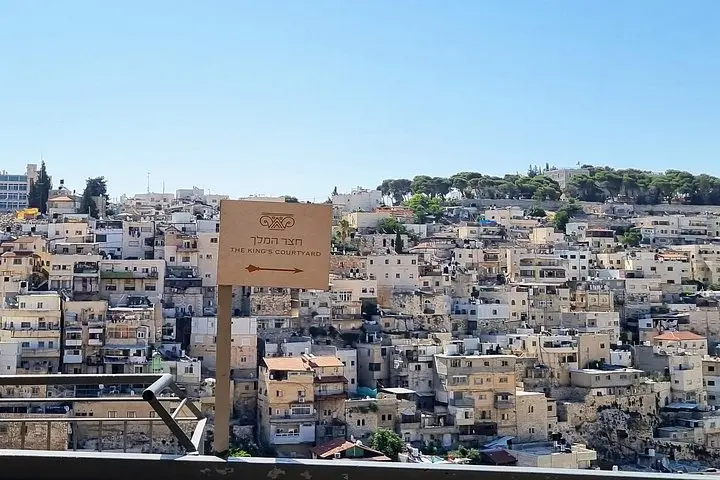
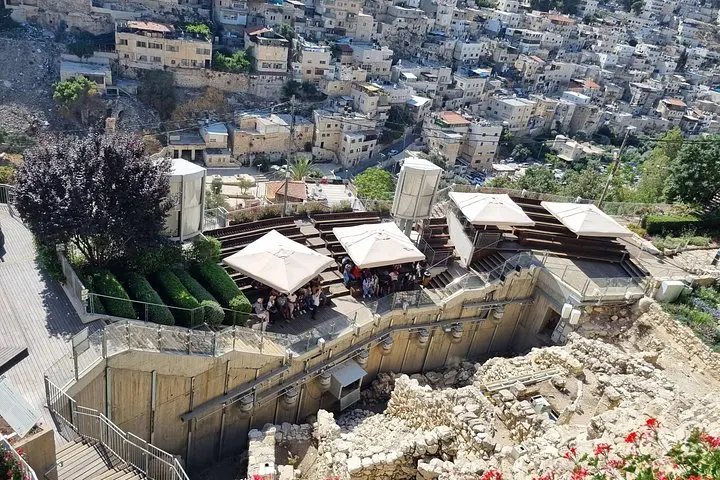
The City of David occupies the narrow ridge south of the Temple Mount and is the archaeological core of ancient Jerusalem. Excavations have revealed Bronze Age fortifications, the Stepped Stone Structure, and defensive systems tied to biblical-era kings. Geology here is limestone and dolomite carved by millennia of water, which Hezekiah harnessed in his 8th-century BCE tunnel to ensure the city had access to the Gihon spring during siege.
Culture and faith overlap at every turn—Jewish, Canaanite and later Roman stratum all visible in stone and pottery shards. Local guides read these layers aloud, connecting scripture, siege technology and daily life.
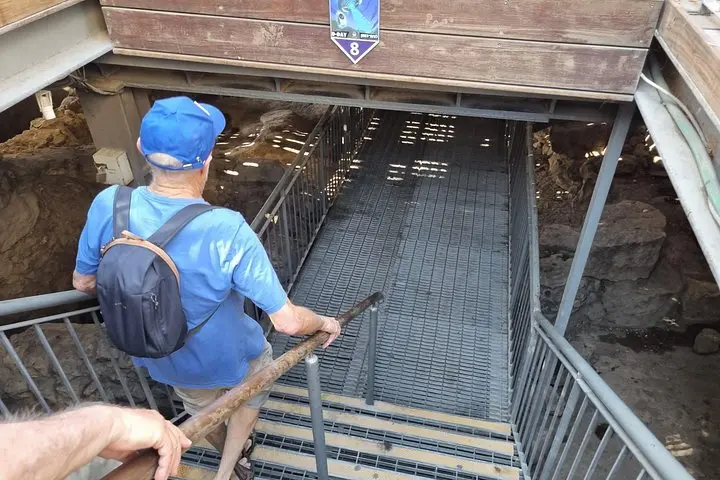
Practicalities: expect roughly 2–3 hours of walking, including an optional walk inside Hezekiah’s Tunnel (about 533 meters, waist- to chest-deep in spots). Much of the route is uneven stone, some sections narrow or below grade. The tour is mostly outdoors and underground; carry a small daypack, water and a light waterproof layer. Children under five and those with significant heart or spinal conditions should skip the tunnel. Plan to arrive 10–15 minutes early; public transit and taxis serve the area. Photography is allowed but respect signage around active excavation zones. Follow your guide’s instructions to protect fragile surfaces—this is both an exploration and a conservation effort.
Hezekiah’s Tunnel is about 533 meters; many guided tours include it as an optional segment—expect waist- to chest-deep water in places.
Children over five who can walk on uneven terrain may join; the tunnel is not recommended for kids under five.
Significant parts of the site involve stairs, narrow passages and wet tunnels, so it is not suitable for visitors with major mobility limitations or spinal/heart conditions.
Photography is generally allowed but follow posted signs and guide instructions to avoid damaging fragile areas and to respect ongoing work.
Nissim Slama - Guide et Conférencier - Tour Guide & Lecturer operates guided outdoor trips and adventures with an emphasis on safety, stewardship, and memorable experiences.
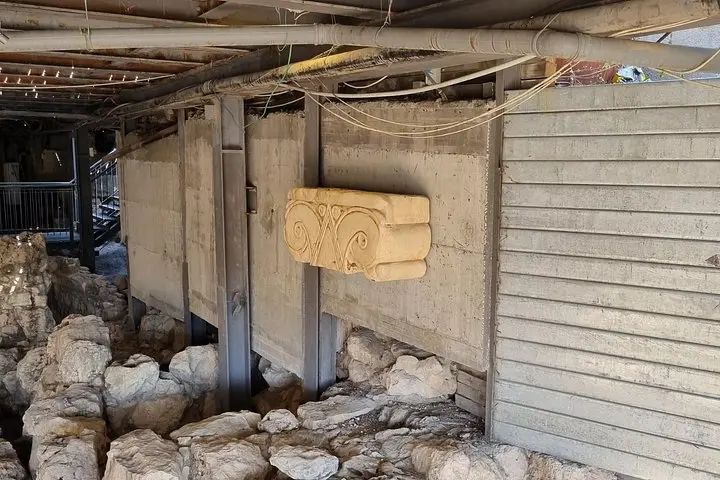
You step through a low entrance and the modern noise of the Old City falls away—stone corridors cool underfoot, a steady drip of groundwater setting a tempo. Light pools on ancient cobbles where kings once walked; voices reverberate off carved ashlar that predate the surrounding neighborhoods.
You step through a low entrance and the modern noise of the Old City falls away—stone corridors cool underfoot, a steady drip of groundwater setting a tempo. Light pools on ancient cobbles where kings once walked; voices reverberate off carved ashlar that predate the surrounding neighborhoods.
The City of David occupies the narrow ridge south of the Temple Mount and is the archaeological core of ancient Jerusalem. Excavations have revealed Bronze Age fortifications, the Stepped Stone Structure, and defensive systems tied to biblical-era kings. Geology here is limestone and dolomite carved by millennia of water, which Hezekiah harnessed in his 8th-century BCE tunnel to ensure the city had access to the Gihon spring during siege.
Culture and faith overlap at every turn—Jewish, Canaanite and later Roman stratum all visible in stone and pottery shards. Local guides read these layers aloud, connecting scripture, siege technology and daily life.
Practicalities: expect roughly 2–3 hours of walking, including an optional walk inside Hezekiah’s Tunnel (about 533 meters, waist- to chest-deep in spots). Much of the route is uneven stone, some sections narrow or below grade. The tour is mostly outdoors and underground; carry a small daypack, water and a light waterproof layer. Children under five and those with significant heart or spinal conditions should skip the tunnel. Plan to arrive 10–15 minutes early; public transit and taxis serve the area. Photography is allowed but respect signage around active excavation zones. Follow your guide’s instructions to protect fragile surfaces—this is both an exploration and a conservation effort.