THE ADVENTURE COLLECTIVE® · Independent discovery and booking for outdoor travel
Enter an atmospheric, ruin-styled aquarium beneath Atlantis The Palm where rays, sharks, and 65,000 marine animals glide through panoramic tanks. This guide explains what to expect, timing tips, and practical details for visiting Dubai’s Lost Chamber.
Enter an atmospheric, ruin-styled aquarium beneath Atlantis The Palm where rays, sharks, and 65,000 marine animals glide through panoramic tanks. This guide explains what to expect, timing tips, and practical details for visiting Dubai’s Lost Chamber.
Stepping into the Lost Chamber Aquarium feels like crossing into a submerged archive: low light, glass walls breathing with schools of fish, and sculpted ruins that suggest an imagined past beneath the Persian Gulf. Rays sweep in wide arcs and sand tiger sharks patrol the deep, while families drift from one display to the next, watching neon fish thread through collapsed columns.
Verified experiences and guided adventures in the surrounding area.
Operated by Dream Fly Tourism LLC · Dubai, Dubai
Stepping into the Lost Chamber Aquarium feels like crossing into a submerged archive: low light, glass walls breathing with schools of fish, and sculpted ruins that suggest an imagined past beneath the Persian Gulf. Rays sweep in wide arcs and sand tiger sharks patrol the deep, while families drift from one display to the next, watching neon fish thread through collapsed columns.
The aquarium opened with Atlantis, The Palm in 2008 and was built to echo the myth of a lost city — a design choice that frames marine exhibits in archaeological-style ruins. Geologically, you’re inside a display fed by species from the Arabian Gulf and tropical collections, set on Palm Jumeirah, Dubai’s engineered island that reshaped coastline and currents to create new urban and marine habitats.
Culturally, the attraction sits at the intersection of entertainment and education in Dubai’s tourism economy — it’s designed to be accessible, family-oriented, and visually striking rather than a pure research facility. Expect interpretive signage, touch tanks, and scheduled feedings that mix spectacle with learning.
Practical guidance: allow 1–2 hours for a full walkthrough (the experience can extend up to 3–5 hours with add-ons). Mobile tickets are accepted and e-tickets are often delivered via WhatsApp. Children under 1.2 m may enter free; strollers and wheelchairs are accommodated but space near viewing windows can be tight during peak hours. Visit early morning or late afternoon to avoid tour groups, bring a camera with a fast lens for low-light shots, and plan for indoor climate relief during Dubai’s hot months.
Most visitors spend 1–2 hours; plan up to 3–5 hours if combining with shows, touch tanks, or other Atlantis attractions.
Yes—children under 1.2 m may be eligible for free admission; check ticketing details at time of booking and carry proof of age if required.
Photography for personal use is permitted, but avoid flash near animals and follow staff instructions around sensitive displays.
Yes—Palm Jumeirah is served by taxis and nearby public transport; the resort has drop-off points and accessible pathways to the aquarium.
Dream Fly Tourism LLC operates guided outdoor trips and adventures with an emphasis on safety, stewardship, and memorable experiences.
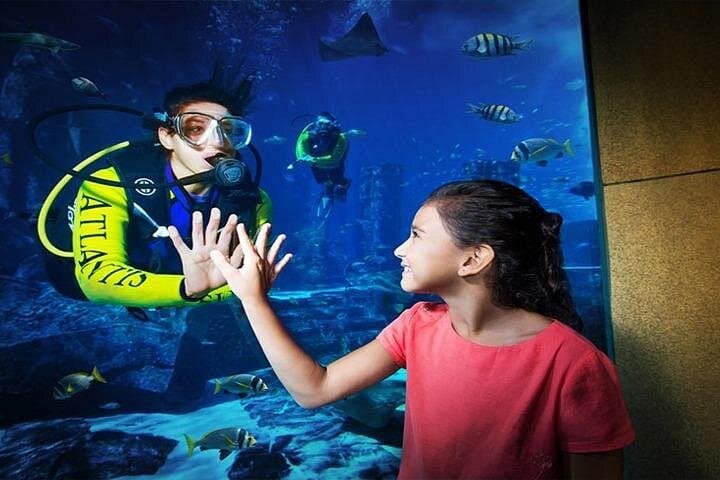
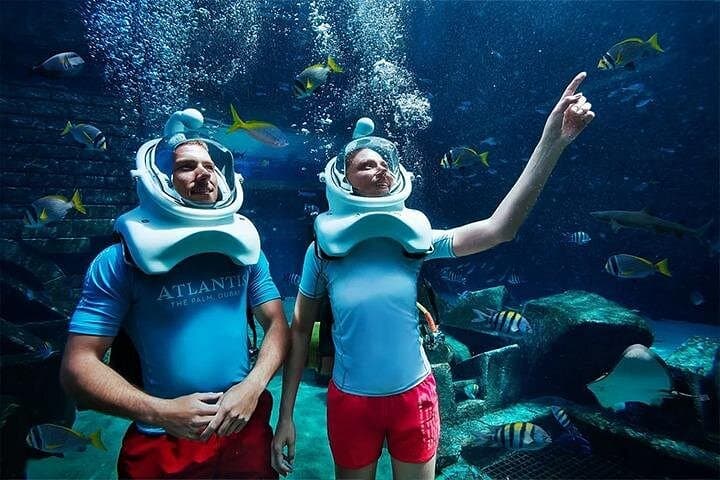
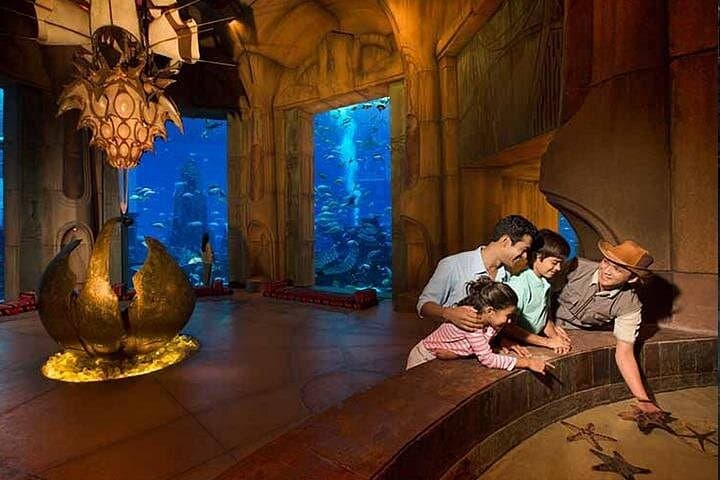
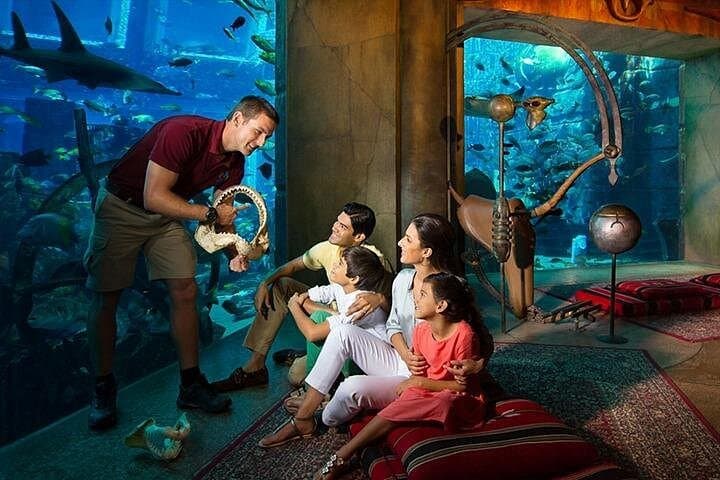
Stepping into the Lost Chamber Aquarium feels like crossing into a submerged archive: low light, glass walls breathing with schools of fish, and sculpted ruins that suggest an imagined past beneath the Persian Gulf. Rays sweep in wide arcs and sand tiger sharks patrol the deep, while families drift from one display to the next, watching neon fish thread through collapsed columns.
Stepping into the Lost Chamber Aquarium feels like crossing into a submerged archive: low light, glass walls breathing with schools of fish, and sculpted ruins that suggest an imagined past beneath the Persian Gulf. Rays sweep in wide arcs and sand tiger sharks patrol the deep, while families drift from one display to the next, watching neon fish thread through collapsed columns.
The aquarium opened with Atlantis, The Palm in 2008 and was built to echo the myth of a lost city — a design choice that frames marine exhibits in archaeological-style ruins. Geologically, you’re inside a display fed by species from the Arabian Gulf and tropical collections, set on Palm Jumeirah, Dubai’s engineered island that reshaped coastline and currents to create new urban and marine habitats.
Culturally, the attraction sits at the intersection of entertainment and education in Dubai’s tourism economy — it’s designed to be accessible, family-oriented, and visually striking rather than a pure research facility. Expect interpretive signage, touch tanks, and scheduled feedings that mix spectacle with learning.
Practical guidance: allow 1–2 hours for a full walkthrough (the experience can extend up to 3–5 hours with add-ons). Mobile tickets are accepted and e-tickets are often delivered via WhatsApp. Children under 1.2 m may enter free; strollers and wheelchairs are accommodated but space near viewing windows can be tight during peak hours. Visit early morning or late afternoon to avoid tour groups, bring a camera with a fast lens for low-light shots, and plan for indoor climate relief during Dubai’s hot months.
