THE ADVENTURE COLLECTIVE® · Independent discovery and booking for outdoor travel

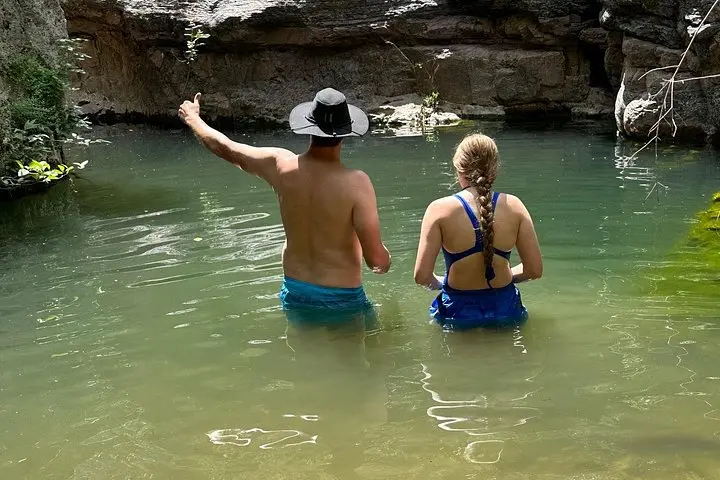
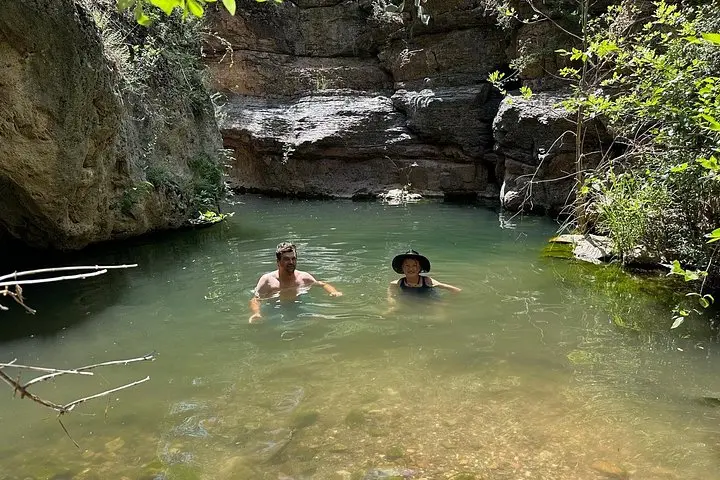
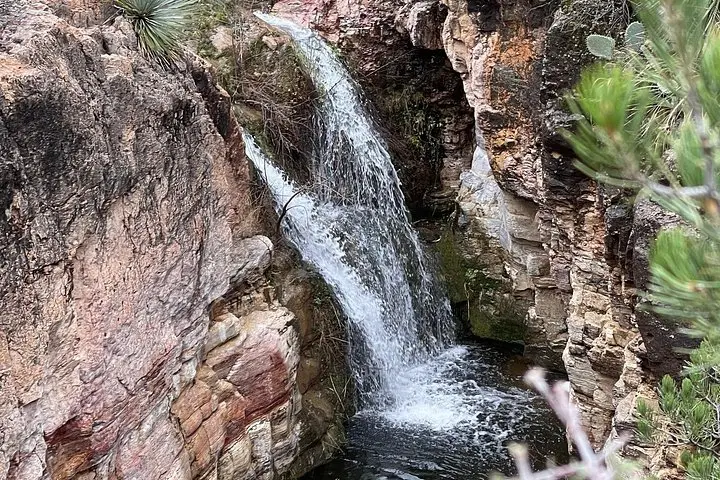
Unlock a 24-hour pass into Chrysotile, a rarely opened abandoned mining city in Tonto National Forest. Hike to waterfall-fed swimming holes, tour historic mine structures, and camp where miners once worked—this day pass grants access to a wild and photogenic slice of Arizona.
Unlock a 24-hour pass into Chrysotile, a rarely opened abandoned mining city in Tonto National Forest. Hike to waterfall-fed swimming holes, tour historic mine structures, and camp where miners once worked—this day pass grants access to a wild and photogenic slice of Arizona.
You arrive where pavement thins and the highway gives itself to dust: a cable gate, a tour guide with a map, and a direction to follow the forest road down into Ash Creek Canyon. The morning light strips the desert of its cool gray and the Sonoran plants tilt toward the sun—cholla and saguaros punctuate the scrub, while cottonwoods crowd the creek like an audience waiting for the next scene. For a day, the abandoned structures and braided creekbeds of Chrysotile become yours to roam.
Verified experiences and guided adventures in the surrounding area.
Operated by Arizona Off-Road Adventures · Globe, Arizona
You arrive where pavement thins and the highway gives itself to dust: a cable gate, a tour guide with a map, and a direction to follow the forest road down into Ash Creek Canyon. The morning light strips the desert of its cool gray and the Sonoran plants tilt toward the sun—cholla and saguaros punctuate the scrub, while cottonwoods crowd the creek like an audience waiting for the next scene. For a day, the abandoned structures and braided creekbeds of Chrysotile become yours to roam.
Chrysotile was a working mining camp until the mid-20th century; its schools, jailhouse, mess hall and manager’s house still stand as weathered chapters in Arizona’s mining story. Geologically, the canyon is a carved record of volcanic debris and alluvial sorting—conglomerate beds and rounded tailing piles tell you where water and industry once pushed and paused. Ash Creek moves through those rocks, daring you to find its cool holes and hidden waterfalls where miners once cooled themselves after a shift.
The experience blends history and landscape. A short guided orientation at 9:00 a.m. points out the jail, machine shop, and the Victory Mine (a guided shaft tour starts at 4:00 p.m.). After that, you’re handed a map and a choice: hike down to creek-bottom swimming holes like Mermaid Lagoon, pick through tailings for mineral finds, or follow Moon Canyon’s boulder-strewn path that threads over logs, around dams, and into pockets of shade.
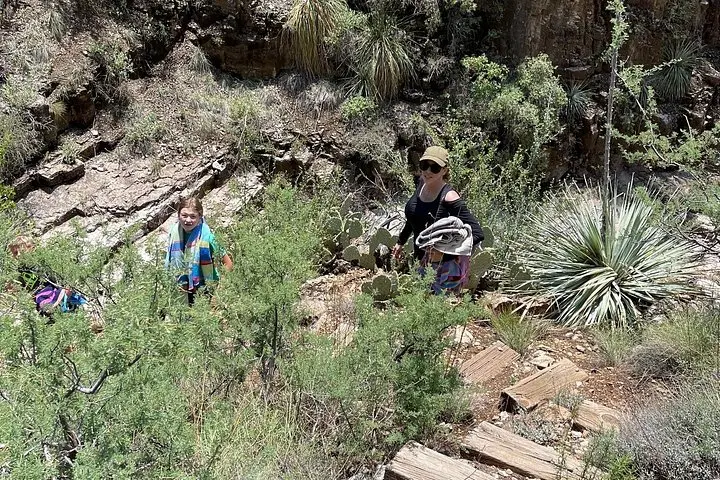
Expect 1–3 miles of walking on uneven terrain if you head to the canyon floor, with roughly 300–600 feet of elevation change on the steeper approaches. Trails are informal; you’ll cross creek channels, scramble over boulders and sometimes walk in water. Wildlife is watchful but nonchalant—javelinas, lizards and a variety of birds are common; snakes can be present, so attentive footing matters.
Practicalities are straightforward: the site is privately managed and open for a $100 per-car entrance fee that grants 24-hour access and camping if you choose to stay. Bring plenty of water (3+ liters per person in summer), sturdy shoes, sun protection and a small first-aid kit. Leave the shafts to guided tours and don’t go into mine entrances unaccompanied.
This is a wild place that rewards curiosity—photographers will love midday canyon textures and late-afternoon light on rusted corrugated siding. Plan for heat in summer, soft mornings in spring, and crisp desert nights if you camp. Whether you’re chasing abandoned architecture, chasing water, or simply chasing a quiet corner of Tonto National Forest, Chrysotile offers a full day of discovery where the desert keeps most of its secrets close.
The site is off US Highway 60 at approx. mile marker 283; follow the forest road down toward Ash Creek Canyon and meet at the cable gate where guides will greet you.
No—the fee is $100 per car and grants that vehicle’s occupants 24-hour access, including camping on site.
No—do not enter mine shafts. A supervised Victory Mine tour occurs daily at 4:00 p.m.; only on that guided tour is it safe to approach mine interiors.
Service animals are allowed; general pets may be restricted—check with the operator before bringing animals.
Yes—camping is included with the car entrance fee, and you can stay overnight within the designated areas of the site.
Loose rock, sudden creek slickness, snakes, and unstable mine features; stick to daylight exploration, avoid entering structures unsafely, and keep a first-aid kit handy.
Arizona Off-Road Adventures operates guided outdoor trips and adventures with an emphasis on safety, stewardship, and memorable experiences.
You arrive where pavement thins and the highway gives itself to dust: a cable gate, a tour guide with a map, and a direction to follow the forest road down into Ash Creek Canyon. The morning light strips the desert of its cool gray and the Sonoran plants tilt toward the sun—cholla and saguaros punctuate the scrub, while cottonwoods crowd the creek like an audience waiting for the next scene. For a day, the abandoned structures and braided creekbeds of Chrysotile become yours to roam.
You arrive where pavement thins and the highway gives itself to dust: a cable gate, a tour guide with a map, and a direction to follow the forest road down into Ash Creek Canyon. The morning light strips the desert of its cool gray and the Sonoran plants tilt toward the sun—cholla and saguaros punctuate the scrub, while cottonwoods crowd the creek like an audience waiting for the next scene. For a day, the abandoned structures and braided creekbeds of Chrysotile become yours to roam.
Chrysotile was a working mining camp until the mid-20th century; its schools, jailhouse, mess hall and manager’s house still stand as weathered chapters in Arizona’s mining story. Geologically, the canyon is a carved record of volcanic debris and alluvial sorting—conglomerate beds and rounded tailing piles tell you where water and industry once pushed and paused. Ash Creek moves through those rocks, daring you to find its cool holes and hidden waterfalls where miners once cooled themselves after a shift.
The experience blends history and landscape. A short guided orientation at 9:00 a.m. points out the jail, machine shop, and the Victory Mine (a guided shaft tour starts at 4:00 p.m.). After that, you’re handed a map and a choice: hike down to creek-bottom swimming holes like Mermaid Lagoon, pick through tailings for mineral finds, or follow Moon Canyon’s boulder-strewn path that threads over logs, around dams, and into pockets of shade.
Expect 1–3 miles of walking on uneven terrain if you head to the canyon floor, with roughly 300–600 feet of elevation change on the steeper approaches. Trails are informal; you’ll cross creek channels, scramble over boulders and sometimes walk in water. Wildlife is watchful but nonchalant—javelinas, lizards and a variety of birds are common; snakes can be present, so attentive footing matters.
Practicalities are straightforward: the site is privately managed and open for a $100 per-car entrance fee that grants 24-hour access and camping if you choose to stay. Bring plenty of water (3+ liters per person in summer), sturdy shoes, sun protection and a small first-aid kit. Leave the shafts to guided tours and don’t go into mine entrances unaccompanied.
This is a wild place that rewards curiosity—photographers will love midday canyon textures and late-afternoon light on rusted corrugated siding. Plan for heat in summer, soft mornings in spring, and crisp desert nights if you camp. Whether you’re chasing abandoned architecture, chasing water, or simply chasing a quiet corner of Tonto National Forest, Chrysotile offers a full day of discovery where the desert keeps most of its secrets close.