THE ADVENTURE COLLECTIVE® · Independent discovery and booking for outdoor travel

See two generations of Panama Canal engineering in one day: the modern Agua Clara locks and the historic Gatún gates, capped by a visit to Fort San Lorenzo’s colonial ruins. Ideal for travelers who want engineering, history, and rainforest in a single accessible loop.
See two generations of Panama Canal engineering in one day: the modern Agua Clara locks and the historic Gatún gates, capped by a visit to Fort San Lorenzo’s colonial ruins. Ideal for travelers who want engineering, history, and rainforest in a single accessible loop.
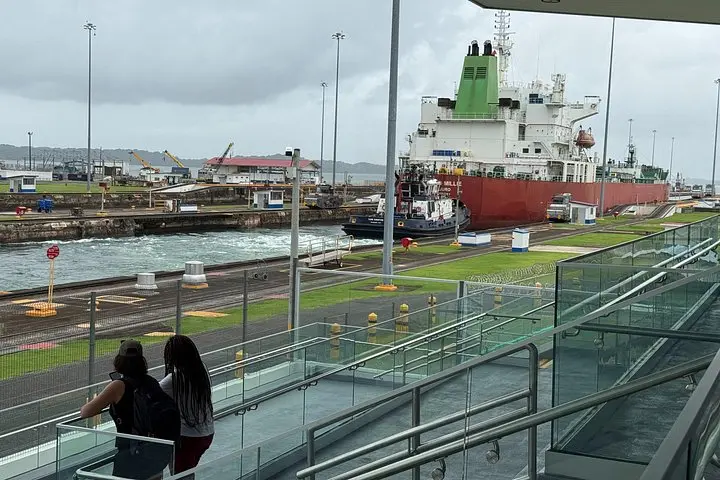
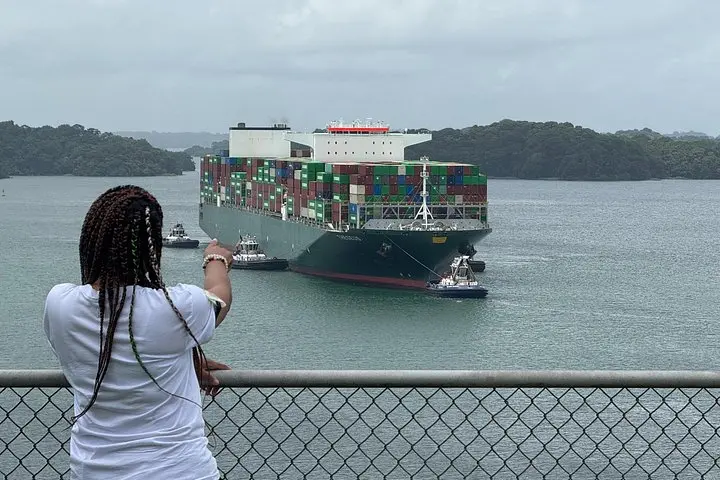
You arrive at the Atlantic edge of the isthmus where concrete gates move like lungs, breathing ocean water into man-made lakes. The day opens with a low, mechanical hum as the modern Agua Clara locks channel a tanker skyward; sunlight slides across steel and water, and the Caribbean wind pushes at your jacket.
Verified experiences and guided adventures in the surrounding area.
Operated by Panamaroutes · Colón, Colón Province
You arrive at the Atlantic edge of the isthmus where concrete gates move like lungs, breathing ocean water into man-made lakes. The day opens with a low, mechanical hum as the modern Agua Clara locks channel a tanker skyward; sunlight slides across steel and water, and the Caribbean wind pushes at your jacket.
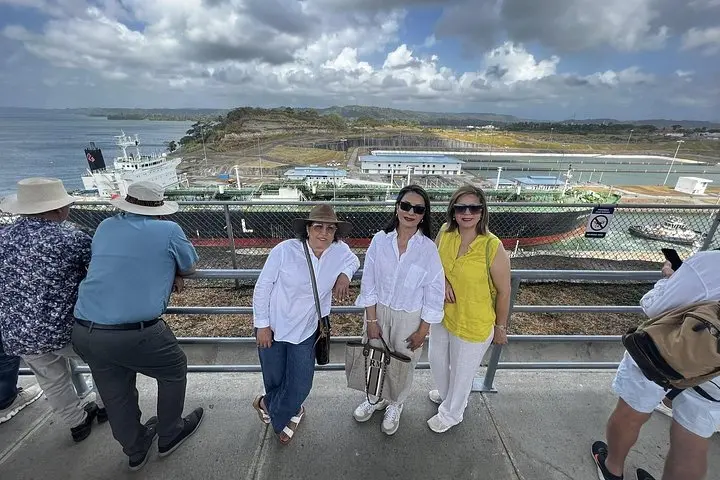
This route stitches two eras of canal engineering into one day. Agua Clara is the 21st-century answer to growing global trade—wide chambers, electric tugs, and panoramic viewpoints designed for observation. Then you move into the older rhythm at Gatún, where original gates and Gatún Lake recall the 20th-century ambition that reshaped global shipping lanes. Between them, the Atlantic Bridge arcs like a modern spine connecting Colón to the coast.
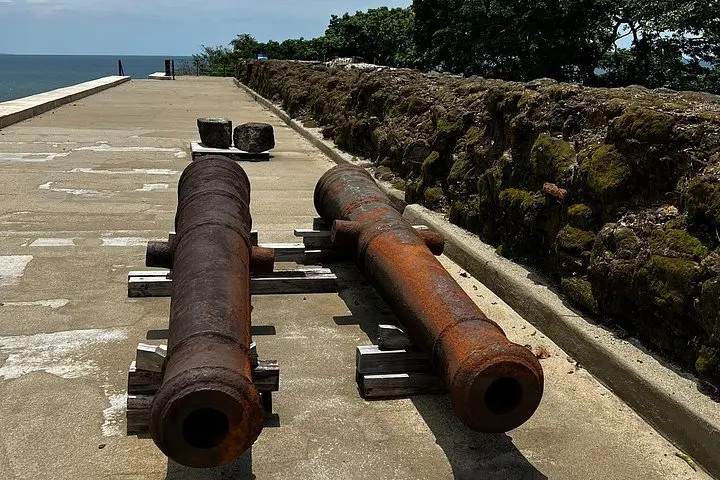
Cultural and historical notes thread through the landscape: Fort San Lorenzo’s crumbling ramparts whisper of 17th-century colonial contests and pirate threats, and the surrounding rainforest is both a defensive buffer and a habitat for tropical birds and monkeys.
Practical guidance: plan for a full 6–7 hour day with moderate, mostly flat walking at visitor centers and short rainforest trails. Bring sunscreen, insect repellant, and a light rain jacket—tropical showers are sudden. Photography is excellent from the Agua Clara and Gatún viewpoints; arrive early for softer light and fewer buses.
Expect interpretive displays, audiovisual briefings, and modest hikes around the fort. A private vehicle is typical for the circuit; public transport options exist but add time. The experience is equal parts engineering study and outdoor observation—intellectually rich and physically accessible.
The private tour runs about 6–7 hours, including stops at Agua Clara, the Atlantic Bridge crossing, Gatún viewpoint, and Fort San Lorenzo.
Walking is moderate—short walks on paved viewpoints and brief, uneven trails at the fort; suitable for most fitness levels.
Yes, entrance to Agua Clara, Gatún Visitor Center, and Fort San Lorenzo are included in the tour’s fees as listed by the operator.
Photography is welcome at visitor centers and viewpoints; drone use is restricted and typically requires special permits—check local regulations and operator rules.
Panamaroutes operates guided outdoor trips and adventures with an emphasis on safety, stewardship, and memorable experiences.
You arrive at the Atlantic edge of the isthmus where concrete gates move like lungs, breathing ocean water into man-made lakes. The day opens with a low, mechanical hum as the modern Agua Clara locks channel a tanker skyward; sunlight slides across steel and water, and the Caribbean wind pushes at your jacket.
You arrive at the Atlantic edge of the isthmus where concrete gates move like lungs, breathing ocean water into man-made lakes. The day opens with a low, mechanical hum as the modern Agua Clara locks channel a tanker skyward; sunlight slides across steel and water, and the Caribbean wind pushes at your jacket.
This route stitches two eras of canal engineering into one day. Agua Clara is the 21st-century answer to growing global trade—wide chambers, electric tugs, and panoramic viewpoints designed for observation. Then you move into the older rhythm at Gatún, where original gates and Gatún Lake recall the 20th-century ambition that reshaped global shipping lanes. Between them, the Atlantic Bridge arcs like a modern spine connecting Colón to the coast.
Cultural and historical notes thread through the landscape: Fort San Lorenzo’s crumbling ramparts whisper of 17th-century colonial contests and pirate threats, and the surrounding rainforest is both a defensive buffer and a habitat for tropical birds and monkeys.
Practical guidance: plan for a full 6–7 hour day with moderate, mostly flat walking at visitor centers and short rainforest trails. Bring sunscreen, insect repellant, and a light rain jacket—tropical showers are sudden. Photography is excellent from the Agua Clara and Gatún viewpoints; arrive early for softer light and fewer buses.
Expect interpretive displays, audiovisual briefings, and modest hikes around the fort. A private vehicle is typical for the circuit; public transport options exist but add time. The experience is equal parts engineering study and outdoor observation—intellectually rich and physically accessible.