THE ADVENTURE COLLECTIVE® · Independent discovery and booking for outdoor travel

Walk through the Lahori Gate into three centuries of Mughal power: a private guide illuminates the Red Fort’s halls, palaces and hidden watercourses. This compact, three-hour tour balances architectural insight with historic context—ideal for visitors wanting depth without the crowds.
Walk through the Lahori Gate into three centuries of Mughal power: a private guide illuminates the Red Fort’s halls, palaces and hidden watercourses. This compact, three-hour tour balances architectural insight with historic context—ideal for visitors wanting depth without the crowds.
Morning light finds the Lahori Gate framed in ochre sandstone, and the city’s chaos thins as you step under its arch into the cool hush of courtyards. A private guide leads you along broad promenades where the Diwan-i-Am and Diwan-i-Khas once directed the empire’s rhythm; the stones still hold the echo of proclamations and processions.
Verified experiences and guided adventures in the surrounding area.
Operated by SITA World Tours · New Delhi, Delhi
Morning light finds the Lahori Gate framed in ochre sandstone, and the city’s chaos thins as you step under its arch into the cool hush of courtyards. A private guide leads you along broad promenades where the Diwan-i-Am and Diwan-i-Khas once directed the empire’s rhythm; the stones still hold the echo of proclamations and processions.
Built by Shah Jahan in 1648, the Red Fort (Lal Qila) is a coherent example of Mughal planning and the fusion of Persian and Timurid influences with local craft. Its red sandstone walls rise like a fortified shore against the Yamuna’s historic course; inside, marble pavilions, water channels and the Mughal palace suites trace a social order of public audiences and secluded zenanas.
Culturally, the Fort is alive: it was central to the 1857 uprising and later repurposed by colonial forces, and today hosts India’s Independence Day flag hoisting. Expect a layered narrative—royal leisure, imperial trial, colonial barracks, and contemporary patriotic ritual—spoken through carved halls and remaining inlaid motifs.
Practical guidance: the standard private tour runs about three hours and involves paved courtyards and uneven thresholds—moderate fitness and steady footing are helpful. Cameras are welcome but security checks are strict; carry ID and minimal bags. Hydrate before entry, wear closed shoes for walking over thresholds, and schedule early morning or late afternoon to avoid heat and crowds. Your guide will point out architectural details—muqarnas, jali work, and the remnants of water gardens—that reveal how climate, material and court life shaped this living fortress.
This private tour typically does not include the monument admission fee—confirm with the operator and have cash or card ready for tickets.
Yes—security screenings apply, some buildings may be closed for conservation, and large bags or tripods can be restricted.
The main complex has uneven surfaces and steps; the tour notes say it is not wheelchair accessible.
Early morning at opening or late afternoon after 4pm are quieter; national holidays like August 15th are extremely busy.
SITA World Tours operates guided outdoor trips and adventures with an emphasis on safety, stewardship, and memorable experiences.
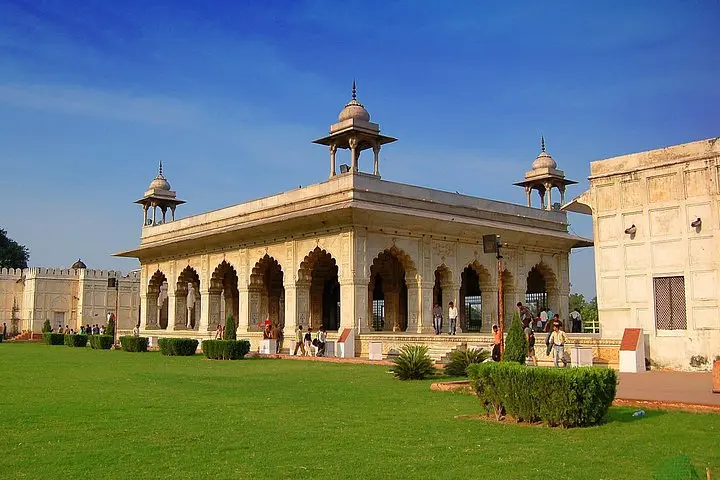

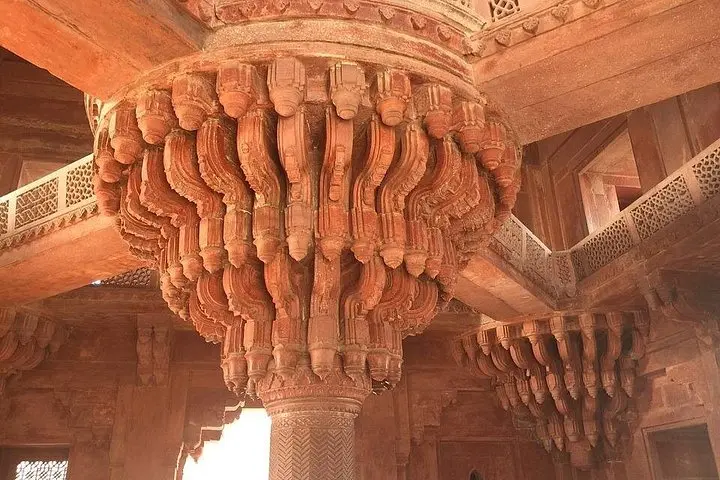
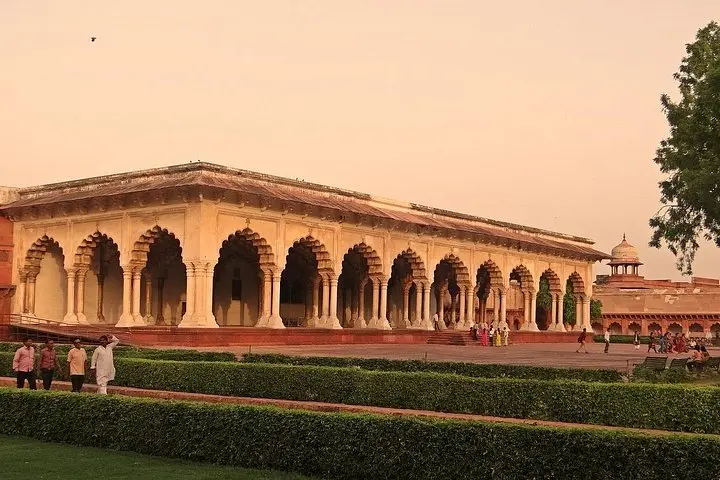
Morning light finds the Lahori Gate framed in ochre sandstone, and the city’s chaos thins as you step under its arch into the cool hush of courtyards. A private guide leads you along broad promenades where the Diwan-i-Am and Diwan-i-Khas once directed the empire’s rhythm; the stones still hold the echo of proclamations and processions.
Morning light finds the Lahori Gate framed in ochre sandstone, and the city’s chaos thins as you step under its arch into the cool hush of courtyards. A private guide leads you along broad promenades where the Diwan-i-Am and Diwan-i-Khas once directed the empire’s rhythm; the stones still hold the echo of proclamations and processions.
Built by Shah Jahan in 1648, the Red Fort (Lal Qila) is a coherent example of Mughal planning and the fusion of Persian and Timurid influences with local craft. Its red sandstone walls rise like a fortified shore against the Yamuna’s historic course; inside, marble pavilions, water channels and the Mughal palace suites trace a social order of public audiences and secluded zenanas.
Culturally, the Fort is alive: it was central to the 1857 uprising and later repurposed by colonial forces, and today hosts India’s Independence Day flag hoisting. Expect a layered narrative—royal leisure, imperial trial, colonial barracks, and contemporary patriotic ritual—spoken through carved halls and remaining inlaid motifs.
Practical guidance: the standard private tour runs about three hours and involves paved courtyards and uneven thresholds—moderate fitness and steady footing are helpful. Cameras are welcome but security checks are strict; carry ID and minimal bags. Hydrate before entry, wear closed shoes for walking over thresholds, and schedule early morning or late afternoon to avoid heat and crowds. Your guide will point out architectural details—muqarnas, jali work, and the remnants of water gardens—that reveal how climate, material and court life shaped this living fortress.