THE ADVENTURE COLLECTIVE® · Independent discovery and booking for outdoor travel

Visit the South African Jewish Museum in Cape Town to trace immigration stories, see the oldest synagogue in the country, and watch a stirring documentary on Nelson Mandela. This concise guide explains what to expect and how to plan your visit.
Visit the South African Jewish Museum in Cape Town to trace immigration stories, see the oldest synagogue in the country, and watch a stirring documentary on Nelson Mandela. This concise guide explains what to expect and how to plan your visit.
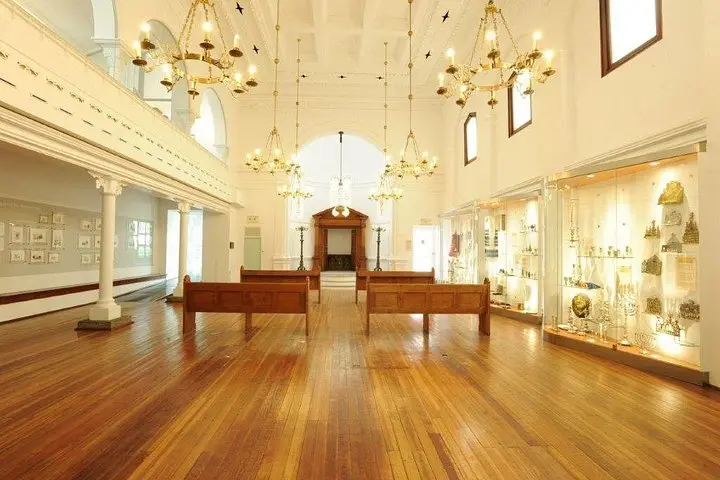
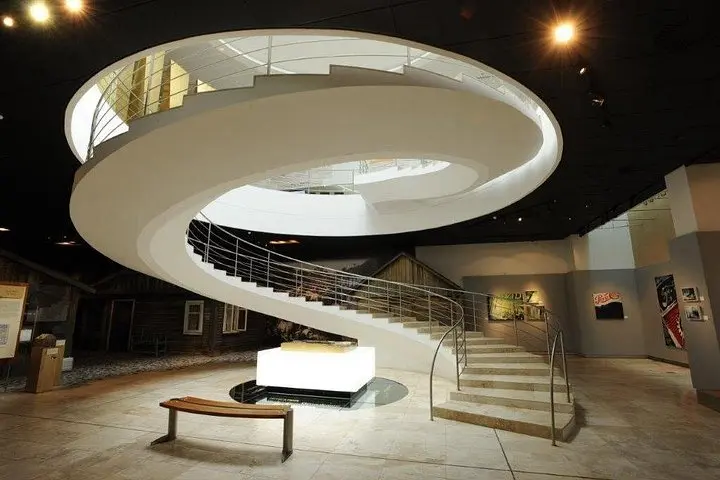
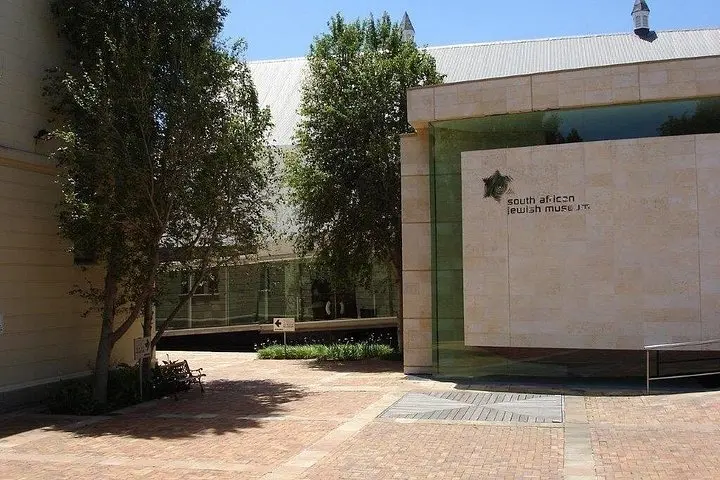
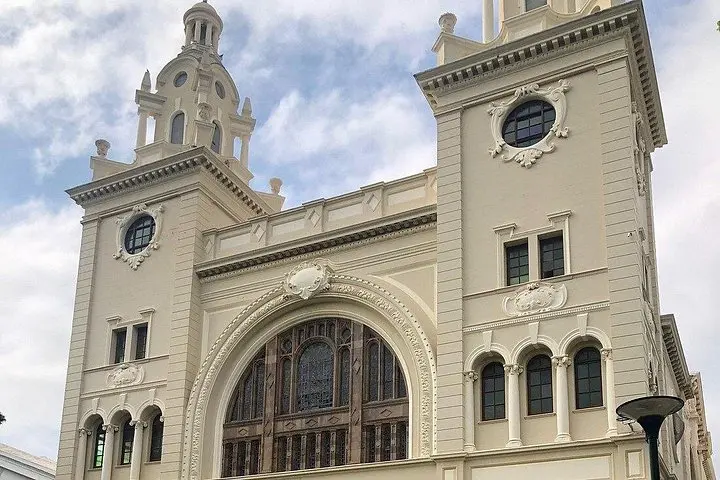
You step off the busy street into a bright, modern hall where glass and pale stone fold around a 19th-century synagogue like a careful hand guiding an old map. Light pours through high windows; exhibit cases hold small objects with long stories. The museum’s minimal lines and open circulation ease you through migration narratives and community life, and the permanent 25‑minute film about Nelson Mandela closes the visit with a measured, reflective pulse.
Verified experiences and guided adventures in the surrounding area.
Operated by SA City Pass · Cape Town, Western Cape
You step off the busy street into a bright, modern hall where glass and pale stone fold around a 19th-century synagogue like a careful hand guiding an old map. Light pours through high windows; exhibit cases hold small objects with long stories. The museum’s minimal lines and open circulation ease you through migration narratives and community life, and the permanent 25‑minute film about Nelson Mandela closes the visit with a measured, reflective pulse.
Founded by Mendel Kaplan and opened by Nelson Mandela in 2000, the South African Jewish Museum occupies South Africa’s first synagogue (1863) and links it to a contemporary gallery via a distinctive drawbridge-shaped connector. Architecture here is part of the story: modern concrete and glass emphasize transparency while the preserved Old Shul keeps historical texture at the center. Exhibits trace Lithuanian and Eastern European roots, the community’s role in South Africa’s political history, and social contributions to Cape Town’s civic life.
Practical guidance: plan 45–90 minutes; the included documentary adds a focused 25 minutes. The museum is wheelchair and stroller accessible, closed Saturdays and Jewish holidays, and asks visitors to carry a photo ID. Public transit stops nearby, but arriving early in the morning helps avoid school groups. Photography of most displays is allowed—use a low flash or none.
This is a compact, thoughtful cultural stop in the Gardens/City Bowl; pair it with a walk through the nearby Company’s Garden or a visit to the Iziko museums for a fuller day of Cape Town history.
Allocate 45–90 minutes; the permanent exhibits plus the 25‑minute Nelson Mandela documentary make for a focused visit.
Standard policy allows a full refund if cancelled at least 24 hours before the scheduled time; last‑minute cancellations are not refundable.
Yes—the museum and nearby transportation options are wheelchair and stroller accessible, with ramps and accessible routes between the buildings.
Photography is generally permitted in exhibit areas without flash; respect signage and restricted objects.
SA City Pass operates guided outdoor trips and adventures with an emphasis on safety, stewardship, and memorable experiences.
You step off the busy street into a bright, modern hall where glass and pale stone fold around a 19th-century synagogue like a careful hand guiding an old map. Light pours through high windows; exhibit cases hold small objects with long stories. The museum’s minimal lines and open circulation ease you through migration narratives and community life, and the permanent 25‑minute film about Nelson Mandela closes the visit with a measured, reflective pulse.
You step off the busy street into a bright, modern hall where glass and pale stone fold around a 19th-century synagogue like a careful hand guiding an old map. Light pours through high windows; exhibit cases hold small objects with long stories. The museum’s minimal lines and open circulation ease you through migration narratives and community life, and the permanent 25‑minute film about Nelson Mandela closes the visit with a measured, reflective pulse.
Founded by Mendel Kaplan and opened by Nelson Mandela in 2000, the South African Jewish Museum occupies South Africa’s first synagogue (1863) and links it to a contemporary gallery via a distinctive drawbridge-shaped connector. Architecture here is part of the story: modern concrete and glass emphasize transparency while the preserved Old Shul keeps historical texture at the center. Exhibits trace Lithuanian and Eastern European roots, the community’s role in South Africa’s political history, and social contributions to Cape Town’s civic life.
Practical guidance: plan 45–90 minutes; the included documentary adds a focused 25 minutes. The museum is wheelchair and stroller accessible, closed Saturdays and Jewish holidays, and asks visitors to carry a photo ID. Public transit stops nearby, but arriving early in the morning helps avoid school groups. Photography of most displays is allowed—use a low flash or none.
This is a compact, thoughtful cultural stop in the Gardens/City Bowl; pair it with a walk through the nearby Company’s Garden or a visit to the Iziko museums for a fuller day of Cape Town history.