
Explore the Sunken City of Baia: Scuba Diving at Baia Submerged Park
Dive just off Bacoli to explore Roman villas half-buried beneath the Mediterranean. This guided, shallow scuba experience offers a rare blend of archaeology and marine life for certified divers.
An Adventure In Naples.
Dive just off Bacoli to explore Roman villas half-buried beneath the Mediterranean. This guided, shallow scuba experience offers a rare blend of archaeology and marine life for certified divers.
Read the full experience
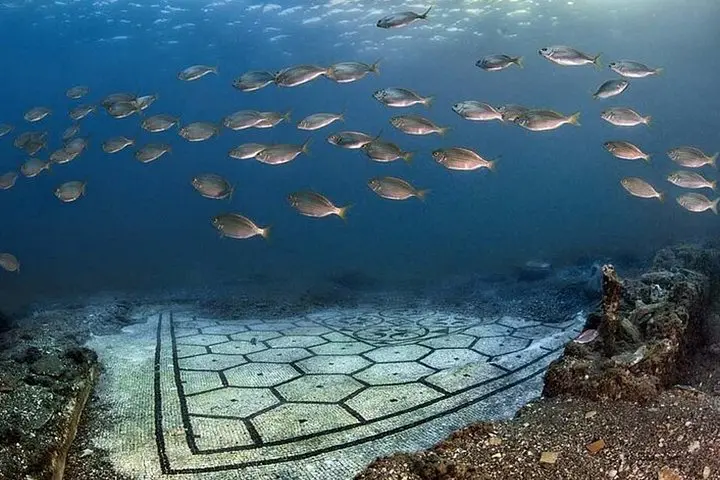
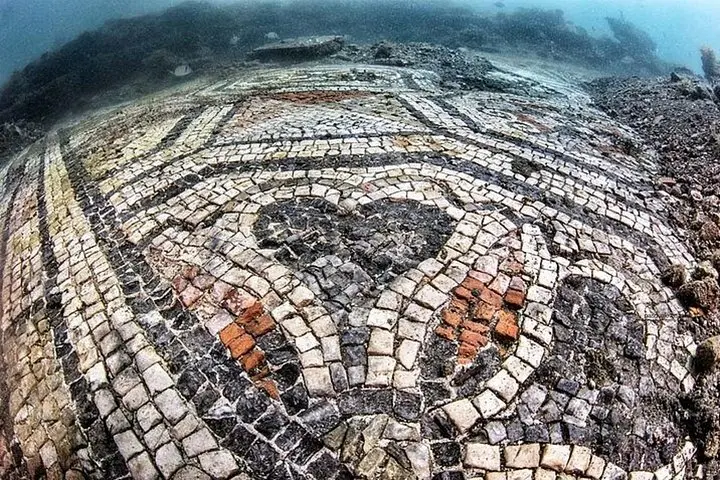
A rib slips away from shore, the Mediterranean slick and bright. Within minutes the coastline of Bacoli dissolves into a scatter of tuff cliffs and tiled roofs, then the guide cuts the engine and the sea opens beneath you—columns, steps and mosaic fragments sit only five meters below the surface, waiting.
A rib slips away from shore, the Mediterranean slick and bright. Within minutes the coastline of Bacoli dissolves into a scatter of tuff cliffs and tiled roofs, then the guide cuts the engine and the sea opens beneath you—columns, steps and mosaic fragments sit only five meters below the surface, waiting.
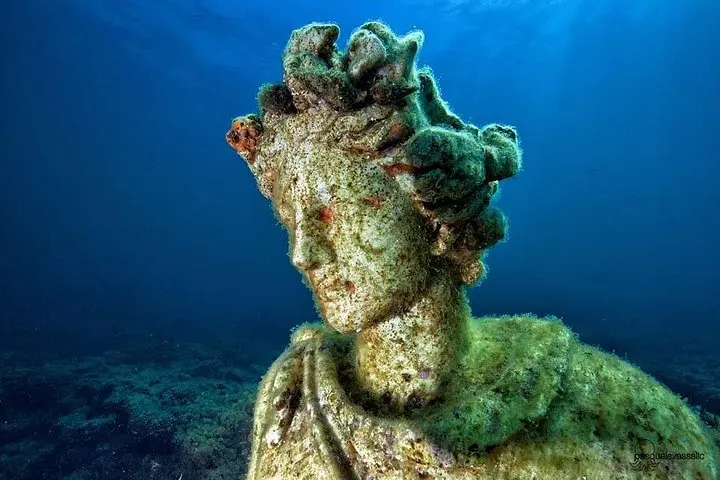
The Bay of Baia was imperial playground: Roman villas and thermal complexes built along a restless volcanic coast. Centuries of bradyseism and subsidence — the ground rising and falling with Campi Flegrei’s breath — left rooms and porticoes to be claimed by seawater and growth of encrusting algae. Today the Parco Sommerso di Baia preserves those ruins under clear blue water, where divers meet history as much as fish life.
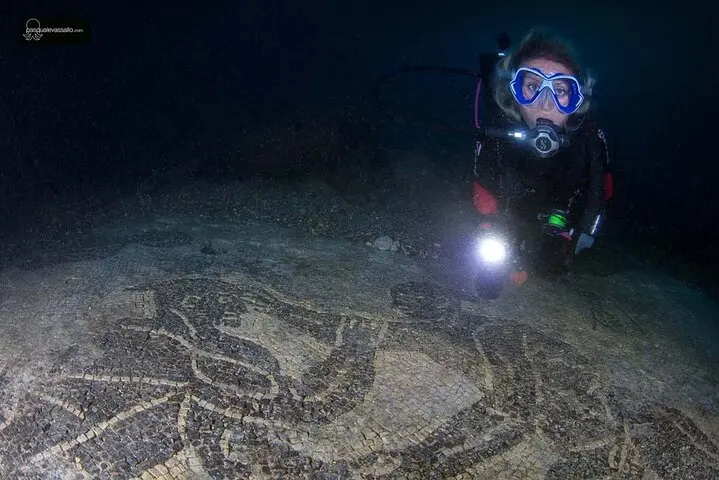
This guided dive runs about an hour on-site and suits certified divers (minimum Junior Open Water/Scuba Diver). Instructors handle rib transport, a pre-dive briefing, and basic route lines over the main archaeological features. Expect low depth (around 5–8 m), short surface intervals, and calm Mediterranean conditions most days, though occasional local currents can push you along the seabed.
Practical notes: bring a compact camera with a red filter or shoot in ambient light at shallow depth, master buoyancy to avoid contact with ruins, and time dives in the morning for calmer seas and better visibility. After the dive, use on-site showers and changing rooms; finish with a walk along the volcanic shoreline to see where ancient baths meet modern waves.
Frequently asked questions
Yes—participants must hold at least a Junior Open Water Diver or Scuba Diver certification; proof is required at check-in.
The main archaeological features lie around 5–8 meters deep; while depth is shallow, basic open-water skills and buoyancy control are essential.
Yes—the operator provides certified scuba equipment, but many divers prefer to bring their personal mask, snorkel and fins for fit.
The operator cancels for bad weather; full refunds are offered if canceled at least 24 hours before the scheduled time per the booking policy.
About This Experience
Sea World Baia Diving operates guided outdoor trips and adventures with an emphasis on safety, stewardship, and memorable experiences.
Adventure tips
Recommended gear
- Mask, snorkel, fins: Personal fit gear improves comfort and efficiency during the shallow archaeological dive.
- Dive computer or depth gauge: Tracks bottom time and depth for safe diving in multiple short profiles.
- Underwater camera or housing with red filter: Captures the submerged ruins and corrects color loss at shallow depths.
- 2–3mm wetsuit (or as advised): Light thermal protection is usually sufficient in summer, but spring/fall can be cooler near the surface.
Photos of the experience
Related adventures & guides
Read the full experience
A rib slips away from shore, the Mediterranean slick and bright. Within minutes the coastline of Bacoli dissolves into a scatter of tuff cliffs and tiled roofs, then the guide cuts the engine and the sea opens beneath you—columns, steps and mosaic fragments sit only five meters below the surface, waiting.
A rib slips away from shore, the Mediterranean slick and bright. Within minutes the coastline of Bacoli dissolves into a scatter of tuff cliffs and tiled roofs, then the guide cuts the engine and the sea opens beneath you—columns, steps and mosaic fragments sit only five meters below the surface, waiting.
The Bay of Baia was imperial playground: Roman villas and thermal complexes built along a restless volcanic coast. Centuries of bradyseism and subsidence — the ground rising and falling with Campi Flegrei’s breath — left rooms and porticoes to be claimed by seawater and growth of encrusting algae. Today the Parco Sommerso di Baia preserves those ruins under clear blue water, where divers meet history as much as fish life.
This guided dive runs about an hour on-site and suits certified divers (minimum Junior Open Water/Scuba Diver). Instructors handle rib transport, a pre-dive briefing, and basic route lines over the main archaeological features. Expect low depth (around 5–8 m), short surface intervals, and calm Mediterranean conditions most days, though occasional local currents can push you along the seabed.
Practical notes: bring a compact camera with a red filter or shoot in ambient light at shallow depth, master buoyancy to avoid contact with ruins, and time dives in the morning for calmer seas and better visibility. After the dive, use on-site showers and changing rooms; finish with a walk along the volcanic shoreline to see where ancient baths meet modern waves.
Make a day of it nearby.
Verified experiences and guided adventures in the surrounding area.