THE ADVENTURE COLLECTIVE® · Independent discovery and booking for outdoor travel

Secure a timed ticket to the Tower of London and walk through nearly a millennium of British history—from the White Tower’s Norman stone to the guarded Crown Jewels. This practical guide highlights what to expect, where to go, and how to plan a smoother visit.
Secure a timed ticket to the Tower of London and walk through nearly a millennium of British history—from the White Tower’s Norman stone to the guarded Crown Jewels. This practical guide highlights what to expect, where to go, and how to plan a smoother visit.
A low winter light glances off the Tower’s stone as you step through the gate—history makes its presence tangible: footsteps echo on cobbles, ravens argue from their posts, and the Thames dares you with a cold gleam beyond the walls.
Verified experiences and guided adventures in the surrounding area.
A low winter light glances off the Tower’s stone as you step through the gate—history makes its presence tangible: footsteps echo on cobbles, ravens argue from their posts, and the Thames dares you with a cold gleam beyond the walls.
The Tower of London began as the White Tower, raised by William the Conqueror in the late 11th century. Over centuries it grew into a complex of fortifications, royal lodgings, armories and prisons. Geologically the site sits on the Thames’s river terrace, its foundations sinking into London clay while the river sculpted the approaches that made the fortress strategically vital.
Culturally the Tower acts as a living archive: Yeoman Warders tell blunt, human stories of regicide, coronations and statecraft; the Crown Jewels sit under strict watch, a modern ritual that threads monarchy to material wealth. Local insights include sweeping riverside views toward Tower Bridge and quieter corners like the Chapel of St Peter ad Vincula.
Plan practically: tickets are timed—allow 4–5 hours to absorb exhibits, battlements and the Jewel House. Expect security screening and cobbled, uneven paths; wear grippy shoes and a weatherproof layer. Peak hours are late morning; early or late afternoon visits reduce queues. Accessibility is partial—some towers and battlements are steep and historic structures limit lift access. Public transit is the easiest approach—Tower Hill station sits a short walk away.
Bring a compact daypack, keep pockets free for camera gear, and leave bulky luggage at your accommodation. With guided Yeoman Warder talks and self-directed exhibits, the Tower rewards curiosity: go prepared and you’ll walk out with a clear sense of why this fortress has shaped Britain’s story.
Photography inside the Jewel House is not permitted; you can photograph many other areas of the Tower but must follow posted restrictions.
Accessibility is partial—modern ramps and lifts serve some areas, but many towers and narrow stairways are not wheelchair-accessible; check the official site for current access maps and assistance options.
Most visitors spend 4–5 hours to see the Crown Jewels, White Tower, battlements and Yeoman Warder talks at a reasonable pace.
Yeoman Warder (Beefeater) talks and certain guided elements are included with general admission, but specialist guided tours may be separate and limited by schedule.
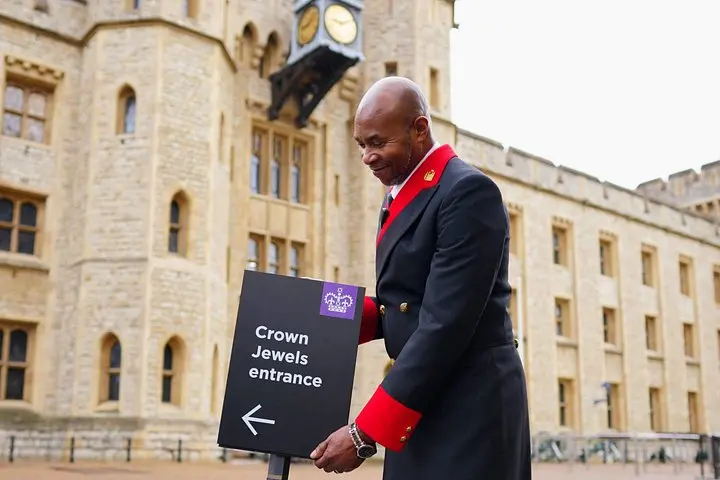
A low winter light glances off the Tower’s stone as you step through the gate—history makes its presence tangible: footsteps echo on cobbles, ravens argue from their posts, and the Thames dares you with a cold gleam beyond the walls.
A low winter light glances off the Tower’s stone as you step through the gate—history makes its presence tangible: footsteps echo on cobbles, ravens argue from their posts, and the Thames dares you with a cold gleam beyond the walls.
The Tower of London began as the White Tower, raised by William the Conqueror in the late 11th century. Over centuries it grew into a complex of fortifications, royal lodgings, armories and prisons. Geologically the site sits on the Thames’s river terrace, its foundations sinking into London clay while the river sculpted the approaches that made the fortress strategically vital.
Culturally the Tower acts as a living archive: Yeoman Warders tell blunt, human stories of regicide, coronations and statecraft; the Crown Jewels sit under strict watch, a modern ritual that threads monarchy to material wealth. Local insights include sweeping riverside views toward Tower Bridge and quieter corners like the Chapel of St Peter ad Vincula.
Plan practically: tickets are timed—allow 4–5 hours to absorb exhibits, battlements and the Jewel House. Expect security screening and cobbled, uneven paths; wear grippy shoes and a weatherproof layer. Peak hours are late morning; early or late afternoon visits reduce queues. Accessibility is partial—some towers and battlements are steep and historic structures limit lift access. Public transit is the easiest approach—Tower Hill station sits a short walk away.
Bring a compact daypack, keep pockets free for camera gear, and leave bulky luggage at your accommodation. With guided Yeoman Warder talks and self-directed exhibits, the Tower rewards curiosity: go prepared and you’ll walk out with a clear sense of why this fortress has shaped Britain’s story.