THE ADVENTURE COLLECTIVE® · Independent discovery and booking for outdoor travel

A private 8–9 hour SUV tour that combines light hiking to the Pedra Bonita plateau, secret beaches, waterfall swims and a full‑time photographer. Ideal for travelers who want big views and easy access to Tijuca’s best spots.
A private 8–9 hour SUV tour that combines light hiking to the Pedra Bonita plateau, secret beaches, waterfall swims and a full‑time photographer. Ideal for travelers who want big views and easy access to Tijuca’s best spots.
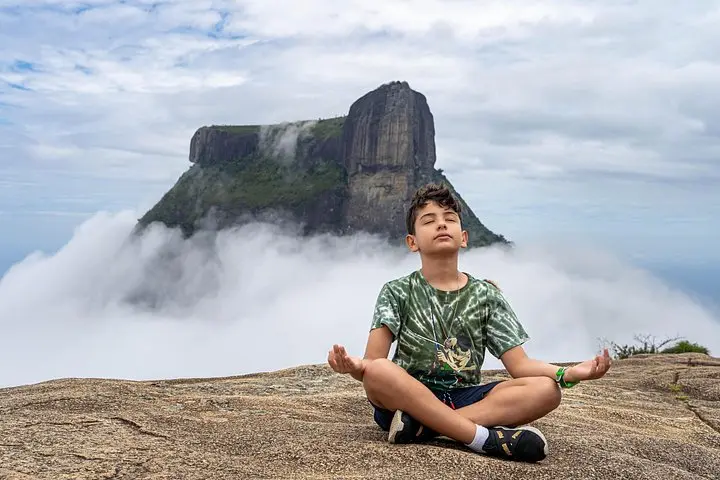
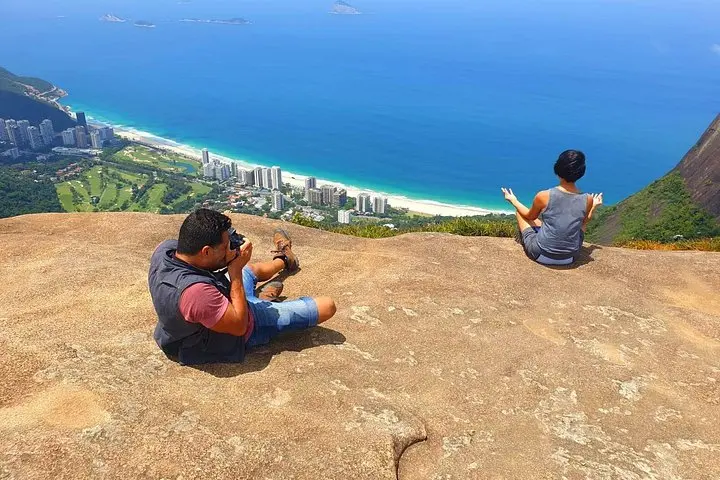
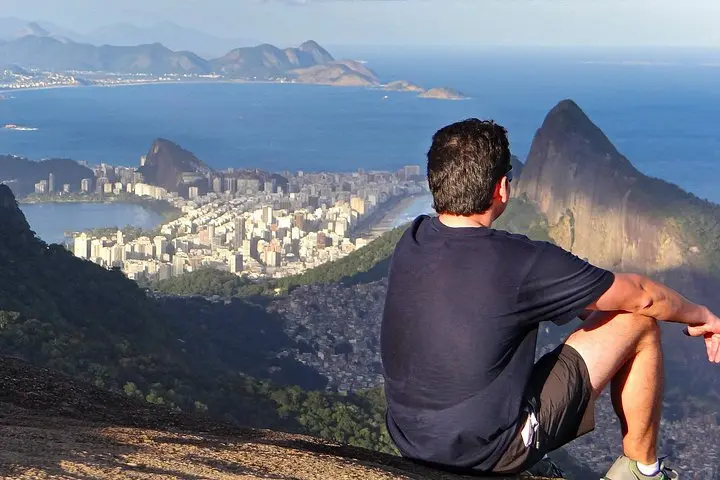
You step out of a cooled 4x4 into a slice of green that rises above Rio’s beaches; humidity lifts and the city’s roar becomes a distant drum. The tour threads through Tijuca Forest National Park, pausing at a beach hidden inside a private enclave, swinging by the hang‑glide takeoff at Pedra Bonita and leading up a short, well‑trodden trail to a 700 m plateau with 360° views of Pedra da Gávea, the coastline and the city below.
Verified experiences and guided adventures in the surrounding area.
Operated by Alvaro @Saffo_phototour · Rio de Janeiro, Rio de Janeiro
You step out of a cooled 4x4 into a slice of green that rises above Rio’s beaches; humidity lifts and the city’s roar becomes a distant drum. The tour threads through Tijuca Forest National Park, pausing at a beach hidden inside a private enclave, swinging by the hang‑glide takeoff at Pedra Bonita and leading up a short, well‑trodden trail to a 700 m plateau with 360° views of Pedra da Gávea, the coastline and the city below.
Tijuca is a living reforestation—planted back in the 19th century to reclaim coffee and sugarland—and its geology is dominated by granite domes carved by wind and sea. Cultural echoes appear in old royal rest stops and the botanical gardens you can add to the route; the massif has long been both a natural refuge and a stage for Rio’s outdoor life.
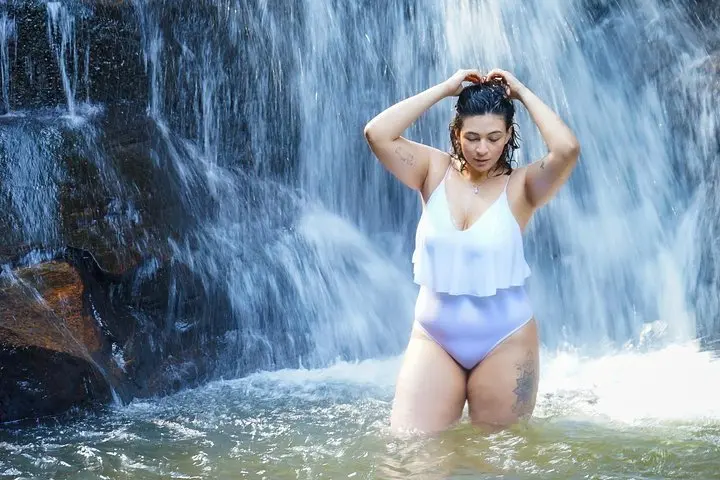
Expect a mix of light hiking and vehicle access: the Pedra Bonita approach is roughly 1.7 km with some elevation gain to a plateau at about 700 m, mostly shaded singletrack and packed earth. Waterfall stops include short walks to swimming pools where the current invites a cool dip; swimming safety varies with recent rain.
Practical tips: plan for 8–9 hours, bring sun and rain protection, and let the included photographer capture the high points so you can enjoy the trail hands‑free. Vehicles handle steep forest roads; wear sturdy shoes for wet rocks and tree roots. If you want Jardim Botânico or Parque Lage included, confirm in advance—the itinerary is flexible but timed. Early departures dodge afternoon showers and afternoon traffic back into the city.
Yes—private pickup is available from most tourist areas in Rio (Copacabana, Ipanema, Barra da Tijuca); confirm your pickup point when booking.
The main trail to the plateau is a light 1.7 km climb taking about 40 minutes; it’s moderate due to elevation gain but suitable for most active visitors.
Yes—the tour includes a full‑time photographer using cameras and GoPro footage with edited images/videos provided for social use.
Often yes—there are natural pools, but swimming depends on recent rainfall and guide assessment of currents and safety.
Alvaro @Saffo_phototour operates guided outdoor trips and adventures with an emphasis on safety, stewardship, and memorable experiences.
You step out of a cooled 4x4 into a slice of green that rises above Rio’s beaches; humidity lifts and the city’s roar becomes a distant drum. The tour threads through Tijuca Forest National Park, pausing at a beach hidden inside a private enclave, swinging by the hang‑glide takeoff at Pedra Bonita and leading up a short, well‑trodden trail to a 700 m plateau with 360° views of Pedra da Gávea, the coastline and the city below.
You step out of a cooled 4x4 into a slice of green that rises above Rio’s beaches; humidity lifts and the city’s roar becomes a distant drum. The tour threads through Tijuca Forest National Park, pausing at a beach hidden inside a private enclave, swinging by the hang‑glide takeoff at Pedra Bonita and leading up a short, well‑trodden trail to a 700 m plateau with 360° views of Pedra da Gávea, the coastline and the city below.
Tijuca is a living reforestation—planted back in the 19th century to reclaim coffee and sugarland—and its geology is dominated by granite domes carved by wind and sea. Cultural echoes appear in old royal rest stops and the botanical gardens you can add to the route; the massif has long been both a natural refuge and a stage for Rio’s outdoor life.
Expect a mix of light hiking and vehicle access: the Pedra Bonita approach is roughly 1.7 km with some elevation gain to a plateau at about 700 m, mostly shaded singletrack and packed earth. Waterfall stops include short walks to swimming pools where the current invites a cool dip; swimming safety varies with recent rain.
Practical tips: plan for 8–9 hours, bring sun and rain protection, and let the included photographer capture the high points so you can enjoy the trail hands‑free. Vehicles handle steep forest roads; wear sturdy shoes for wet rocks and tree roots. If you want Jardim Botânico or Parque Lage included, confirm in advance—the itinerary is flexible but timed. Early departures dodge afternoon showers and afternoon traffic back into the city.