THE ADVENTURE COLLECTIVE® · Independent discovery and booking for outdoor travel

Discover Tokyo Station beyond the platforms: a two-hour guided walk that mixes architecture, street food, and anime culture. Learn how the station shaped the city and where locals go to eat, shop, and catch the next train.
Discover Tokyo Station beyond the platforms: a two-hour guided walk that mixes architecture, street food, and anime culture. Learn how the station shaped the city and where locals go to eat, shop, and catch the next train.
You step out of a subway tunnel and the air opens onto masonry and steel—Tokyo Station’s red-brick Marunouchi façade looms like an old city gate in the middle of a modern metropolis. Inside, corridors pulse with commuters; beyond them, narrow alleys of shops and food stalls wait like chapters of the station’s story.
Verified experiences and guided adventures in the surrounding area.
Operated by Fantasy Travel · Tokyo, Tokyo
You step out of a subway tunnel and the air opens onto masonry and steel—Tokyo Station’s red-brick Marunouchi façade looms like an old city gate in the middle of a modern metropolis. Inside, corridors pulse with commuters; beyond them, narrow alleys of shops and food stalls wait like chapters of the station’s story.
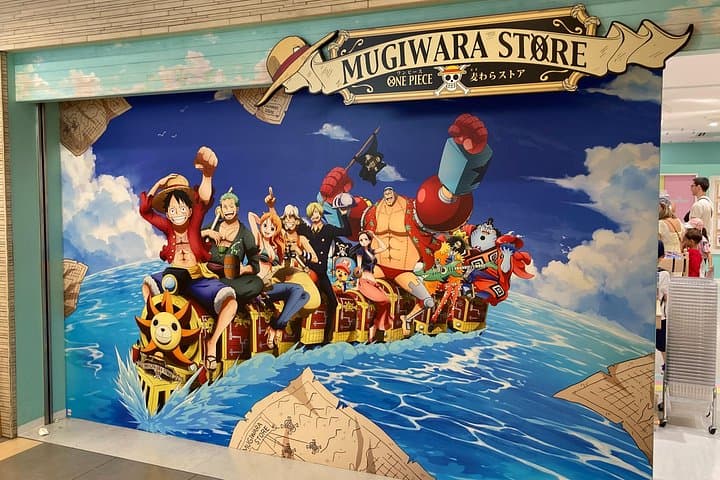
Opened in 1914 and rebuilt after wartime damage, Tokyo Station is both transport hub and urban archive: Meiji- and Taisho-era architecture meets neon, and platforms channel trains—local lines and the Shinkansen—through layers of Tokyo’s economic rise. The station’s tiled roofs and brickwork reveal deliberate engineering choices to resist earthquakes and speed urban flow; its shopping arcades reflect Japan’s postwar consumer culture and contemporary otaku economy with dedicated anime stores.
The guided walk moves from exterior architecture to hidden interiors: restored domes, wartime repairs, and the narrow alleys where ramen shops compete with ekiben sellers. Your guide will point out signage quirks, explain how platform numbering shapes passenger rhythm, and spotlight places locals use for quick meals between trains.
Practical guidance: this is an easy, mostly flat tour with lots of standing and short walks between points. Wear comfortable shoes, carry a packed IC card (Suica/Pasmo) for quick purchases, and go outside morning rush to hear the station breathe rather than bottleneck. Bring a small bag for snacks you’ll want to taste; photography is welcome but be discreet on platforms. With history, food, and anime tied together, the station becomes less transit point and more a compact urban adventure.
Yes—most areas covered are wheelchair accessible; notify the operator of mobility needs when booking.
Yes—the tour includes an English-speaking guide; check availability when you book.
The tour highlights food stops and local favorites but individual purchases are typically not included.
Meeting is usually at the station’s Marunouchi North exit—arrive 10–15 minutes early to check in and avoid missing the group.
Fantasy Travel operates guided outdoor trips and adventures with an emphasis on safety, stewardship, and memorable experiences.
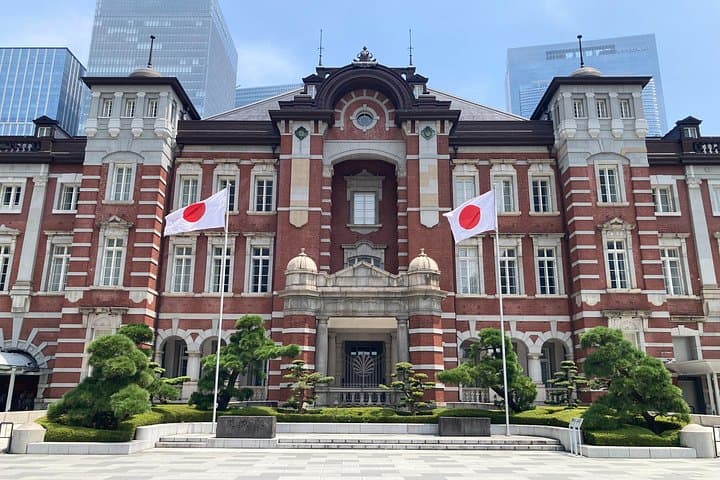
You step out of a subway tunnel and the air opens onto masonry and steel—Tokyo Station’s red-brick Marunouchi façade looms like an old city gate in the middle of a modern metropolis. Inside, corridors pulse with commuters; beyond them, narrow alleys of shops and food stalls wait like chapters of the station’s story.
You step out of a subway tunnel and the air opens onto masonry and steel—Tokyo Station’s red-brick Marunouchi façade looms like an old city gate in the middle of a modern metropolis. Inside, corridors pulse with commuters; beyond them, narrow alleys of shops and food stalls wait like chapters of the station’s story.
Opened in 1914 and rebuilt after wartime damage, Tokyo Station is both transport hub and urban archive: Meiji- and Taisho-era architecture meets neon, and platforms channel trains—local lines and the Shinkansen—through layers of Tokyo’s economic rise. The station’s tiled roofs and brickwork reveal deliberate engineering choices to resist earthquakes and speed urban flow; its shopping arcades reflect Japan’s postwar consumer culture and contemporary otaku economy with dedicated anime stores.
The guided walk moves from exterior architecture to hidden interiors: restored domes, wartime repairs, and the narrow alleys where ramen shops compete with ekiben sellers. Your guide will point out signage quirks, explain how platform numbering shapes passenger rhythm, and spotlight places locals use for quick meals between trains.
Practical guidance: this is an easy, mostly flat tour with lots of standing and short walks between points. Wear comfortable shoes, carry a packed IC card (Suica/Pasmo) for quick purchases, and go outside morning rush to hear the station breathe rather than bottleneck. Bring a small bag for snacks you’ll want to taste; photography is welcome but be discreet on platforms. With history, food, and anime tied together, the station becomes less transit point and more a compact urban adventure.