THE ADVENTURE COLLECTIVE® · Independent discovery and booking for outdoor travel

A compact five-day circuit from Ashgabat to the great Silk Road cities—Nisa, Kunya Urgench and Merv—combines UNESCO archaeology with modern memorials and short domestic flights. Ideal for travelers who want concentrated history, light walking and private transfers.
A compact five-day circuit from Ashgabat to the great Silk Road cities—Nisa, Kunya Urgench and Merv—combines UNESCO archaeology with modern memorials and short domestic flights. Ideal for travelers who want concentrated history, light walking and private transfers.
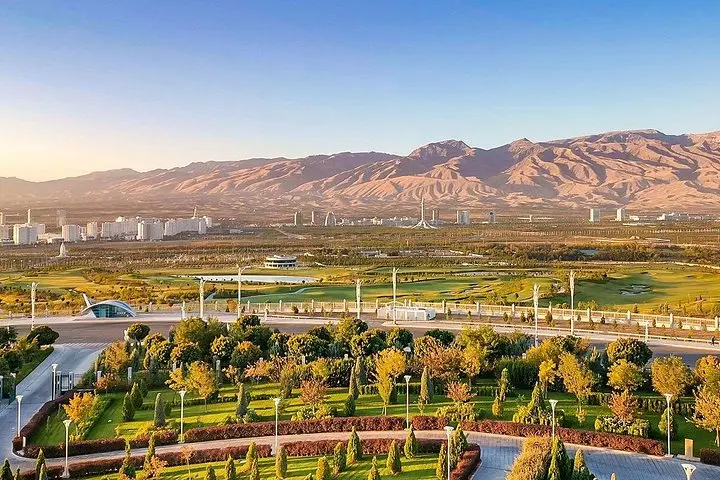
Stepping out of Ashgabat’s white-marble avenues, the desert wind pushes you toward ancient mud-brick silhouettes on the horizon. In the space of five days a private car and short domestic flights stitch together UNESCO sites, mausoleums and Soviet-era memorials, placing you between living capital boulevards and 4,000-year-old Silk Road remains.
Verified experiences and guided adventures in the surrounding area.
Operated by Travel China Guide · Ashgabat, Ahal Region
Stepping out of Ashgabat’s white-marble avenues, the desert wind pushes you toward ancient mud-brick silhouettes on the horizon. In the space of five days a private car and short domestic flights stitch together UNESCO sites, mausoleums and Soviet-era memorials, placing you between living capital boulevards and 4,000-year-old Silk Road remains.
On day two the Parthian Fortresses of Nisa open a window onto Parthian court life; nearby the National History Museum houses ivory rhytons unearthed from those same ruins. Further travel takes you north to Kunya Urgench, where soaring minarets and the Turabek Khanum mausoleum recall Timurid and Mongol craftsmanship, then east to Ancient Merv—layers of walled cities spanning Bronze Age to medieval eras.
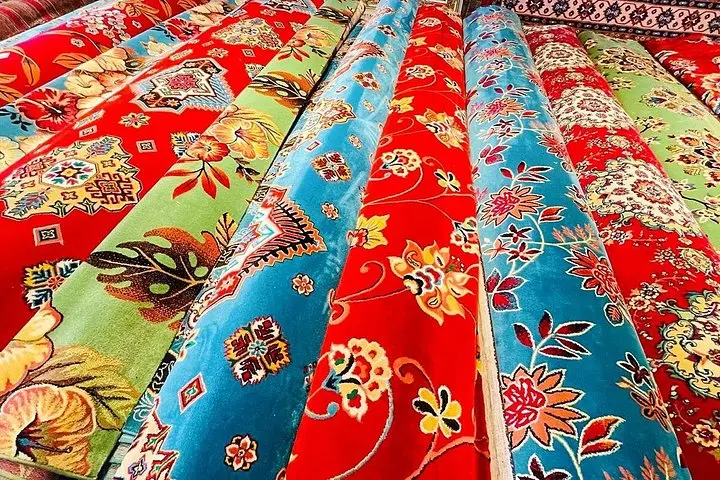
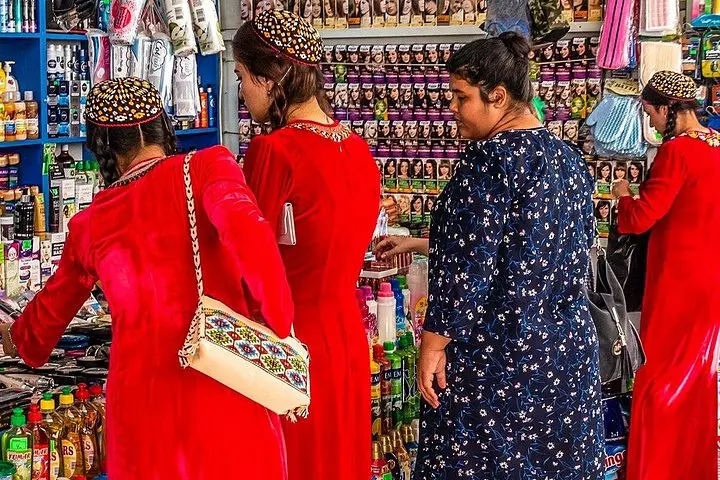
Geology here is straightforward: broad flat plains interrupted by clay and gypsum hills, with wind-swept loess preserving fragile earthen architecture. The 1948 Ashgabat earthquake reshaped the modern city’s layout and memorials like the Halk Earthquake Monument. Local culture blends Turkic, Persian and Soviet legacies; markets and museums give the clearest voice to everyday life.
Practically, this is a low-impact, low-exertion itinerary focused on walking tours, short flights (Ashgabat–Dashoguz, Ashgabat–Mary) and vehicle transfers. Carry official ID and printed arrival documents, pack sun protection, and expect uneven surfaces at archaeological sites. Guides handle logistics and entry fees, but independent travelers should confirm visa needs and medical coverage before departure.
Most nationalities require a visa and an official letter of invitation; the tour package may assist with documentation but travelers must confirm and obtain any required visas in advance.
Visits involve light to moderate walking—paths at Nisa, Merv and Kunya Urgench are uneven and partially unpaved, typically 30–90 minutes on foot per site.
Yes; the itinerary includes economy-class domestic flights between Ashgabat–Dashoguz and Ashgabat–Mary as noted in the inclusions.
Yes; the itinerary is rated suitable for all fitness levels, though those with mobility limitations should note uneven grounds and limited accessibility at some ruins.
Travel China Guide operates guided outdoor trips and adventures with an emphasis on safety, stewardship, and memorable experiences.

Stepping out of Ashgabat’s white-marble avenues, the desert wind pushes you toward ancient mud-brick silhouettes on the horizon. In the space of five days a private car and short domestic flights stitch together UNESCO sites, mausoleums and Soviet-era memorials, placing you between living capital boulevards and 4,000-year-old Silk Road remains.
Stepping out of Ashgabat’s white-marble avenues, the desert wind pushes you toward ancient mud-brick silhouettes on the horizon. In the space of five days a private car and short domestic flights stitch together UNESCO sites, mausoleums and Soviet-era memorials, placing you between living capital boulevards and 4,000-year-old Silk Road remains.
On day two the Parthian Fortresses of Nisa open a window onto Parthian court life; nearby the National History Museum houses ivory rhytons unearthed from those same ruins. Further travel takes you north to Kunya Urgench, where soaring minarets and the Turabek Khanum mausoleum recall Timurid and Mongol craftsmanship, then east to Ancient Merv—layers of walled cities spanning Bronze Age to medieval eras.
Geology here is straightforward: broad flat plains interrupted by clay and gypsum hills, with wind-swept loess preserving fragile earthen architecture. The 1948 Ashgabat earthquake reshaped the modern city’s layout and memorials like the Halk Earthquake Monument. Local culture blends Turkic, Persian and Soviet legacies; markets and museums give the clearest voice to everyday life.
Practically, this is a low-impact, low-exertion itinerary focused on walking tours, short flights (Ashgabat–Dashoguz, Ashgabat–Mary) and vehicle transfers. Carry official ID and printed arrival documents, pack sun protection, and expect uneven surfaces at archaeological sites. Guides handle logistics and entry fees, but independent travelers should confirm visa needs and medical coverage before departure.