THE ADVENTURE COLLECTIVE® · Independent discovery and booking for outdoor travel

Walk two miles through Westborough’s colonial streets with a private guide who traces the town’s 1717 founding, historic homes, farms and downtown shops. This accessible, 1–2 hour tour starts at Leduc Art & Antiques and pairs local stories with short, pace-friendly routes.
Walk two miles through Westborough’s colonial streets with a private guide who traces the town’s 1717 founding, historic homes, farms and downtown shops. This accessible, 1–2 hour tour starts at Leduc Art & Antiques and pairs local stories with short, pace-friendly routes.
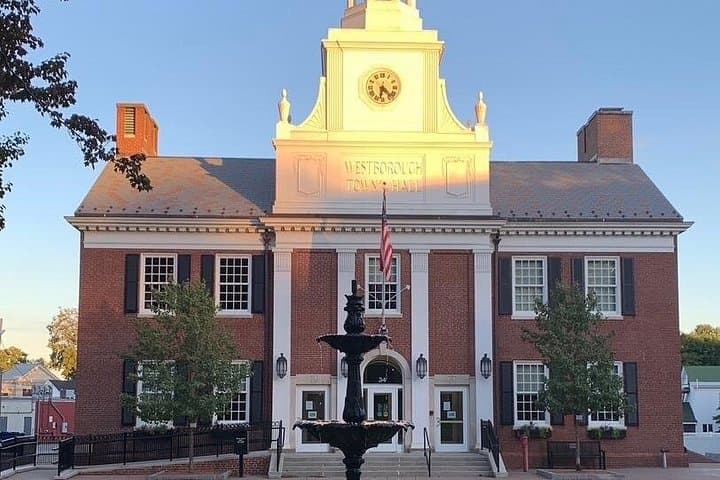
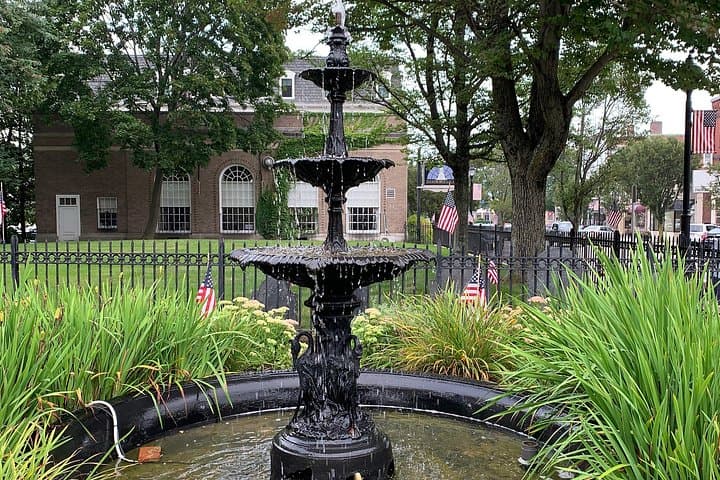
A late-summer morning on Milk Street feels like stepping into a living history book: clapboard houses lean into the sidewalk, church bells punctuate conversation, and stone walls map old property lines. This private walking tour begins outside Leduc Art & Antiques at 5 Milk Street and moves at a relaxed pace through downtown Westborough, following two miles of streets, greens, and quietly kept cemeteries.
Verified experiences and guided adventures in the surrounding area.
Operated by Leduc Art & Antiques · Westborough, Massachusetts
A late-summer morning on Milk Street feels like stepping into a living history book: clapboard houses lean into the sidewalk, church bells punctuate conversation, and stone walls map old property lines. This private walking tour begins outside Leduc Art & Antiques at 5 Milk Street and moves at a relaxed pace through downtown Westborough, following two miles of streets, greens, and quietly kept cemeteries.
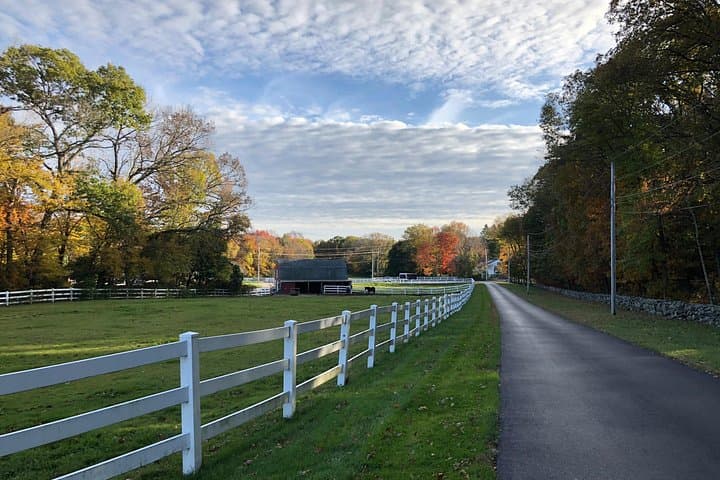
Westborough split off from Marlborough and was officially incorporated in 1717 as the 100th town in Massachusetts; the town’s layout and house names still echo those founding families. Geologically, this part of central Worcester County sits on glaciated New England terrain—modest drumlins, stony farm fields and thin, well-drained soils that shaped early settlement and the pattern of small farms still operating in summer.
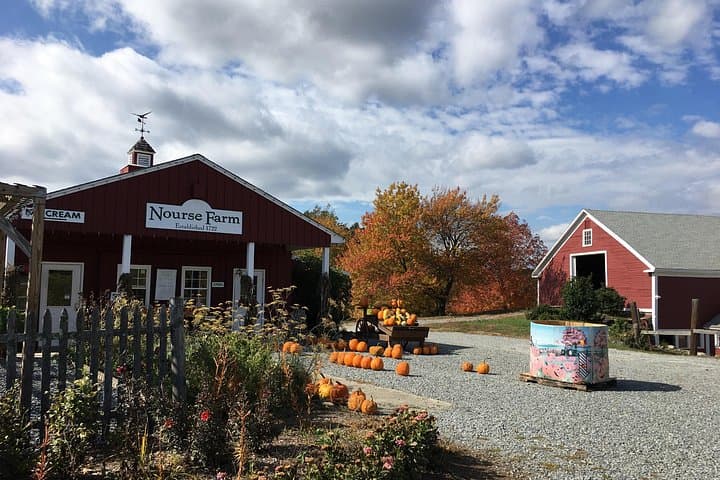
Culturally the town balances Yankee agricultural roots with suburban New England life: local farms sell seasonal fruit and baked goods; the downtown hosts antiques and family-run diners. The guide frames architecture, cemeteries, and farm storefronts with concise historical context, pointing out original owner names on older façades and explaining how the turnpike changed local trade.
Practical notes: expect about 1–2 hours on mostly flat, paved sidewalks and quiet side streets (rough stone steps at a few properties). Wear comfortable walking shoes, bring water and a light layer for coastal-style breezes, and plan for parking near the start or a short public-transit hop from nearby commuter lines. The tour is wheelchair accessible and dog-friendly (service animals allowed), making it an easy, informative introduction to colonial New England life.
The tour runs about 60–120 minutes and covers roughly two miles of downtown streets and adjacent historic sites.
Yes—routes are planned on sidewalks and accessible paths; notify the operator of needs when booking.
All tours begin at Leduc Art & Antiques, 5 Milk Street, downtown Westborough.
Service animals are allowed; pet policies for non-service animals follow local rules—check with the operator in advance.
Leduc Art & Antiques operates guided outdoor trips and adventures with an emphasis on safety, stewardship, and memorable experiences.
A late-summer morning on Milk Street feels like stepping into a living history book: clapboard houses lean into the sidewalk, church bells punctuate conversation, and stone walls map old property lines. This private walking tour begins outside Leduc Art & Antiques at 5 Milk Street and moves at a relaxed pace through downtown Westborough, following two miles of streets, greens, and quietly kept cemeteries.
A late-summer morning on Milk Street feels like stepping into a living history book: clapboard houses lean into the sidewalk, church bells punctuate conversation, and stone walls map old property lines. This private walking tour begins outside Leduc Art & Antiques at 5 Milk Street and moves at a relaxed pace through downtown Westborough, following two miles of streets, greens, and quietly kept cemeteries.
Westborough split off from Marlborough and was officially incorporated in 1717 as the 100th town in Massachusetts; the town’s layout and house names still echo those founding families. Geologically, this part of central Worcester County sits on glaciated New England terrain—modest drumlins, stony farm fields and thin, well-drained soils that shaped early settlement and the pattern of small farms still operating in summer.
Culturally the town balances Yankee agricultural roots with suburban New England life: local farms sell seasonal fruit and baked goods; the downtown hosts antiques and family-run diners. The guide frames architecture, cemeteries, and farm storefronts with concise historical context, pointing out original owner names on older façades and explaining how the turnpike changed local trade.
Practical notes: expect about 1–2 hours on mostly flat, paved sidewalks and quiet side streets (rough stone steps at a few properties). Wear comfortable walking shoes, bring water and a light layer for coastal-style breezes, and plan for parking near the start or a short public-transit hop from nearby commuter lines. The tour is wheelchair accessible and dog-friendly (service animals allowed), making it an easy, informative introduction to colonial New England life.