THE ADVENTURE COLLECTIVE® · Independent discovery and booking for outdoor travel

Cross a hand‑cranked ferry, climb a 40‑meter temple, and wander plazas first occupied millennia ago. This private six‑hour tour from San Ignacio pairs guided history with hands‑on exploration of Xunantunich and Cahal Pech.
Cross a hand‑cranked ferry, climb a 40‑meter temple, and wander plazas first occupied millennia ago. This private six‑hour tour from San Ignacio pairs guided history with hands‑on exploration of Xunantunich and Cahal Pech.
You step off the air-conditioned vehicle at a narrow riverside and wait as the hand‑cranked ferry pulls across the Mopan River. The current nudges the hull; iguanas sun themselves on exposed roots and a pair of bats wheel in the shade. On the opposite bank the ridge rises—limestone baked by the tropics, streaked with ferns and the corners of ancient plazas poking through the canopy.
Verified experiences and guided adventures in the surrounding area.
Operated by Classic Maya Adventure Tours (CmaTours) · San Ignacio, Cayo District
You step off the air-conditioned vehicle at a narrow riverside and wait as the hand‑cranked ferry pulls across the Mopan River. The current nudges the hull; iguanas sun themselves on exposed roots and a pair of bats wheel in the shade. On the opposite bank the ridge rises—limestone baked by the tropics, streaked with ferns and the corners of ancient plazas poking through the canopy.
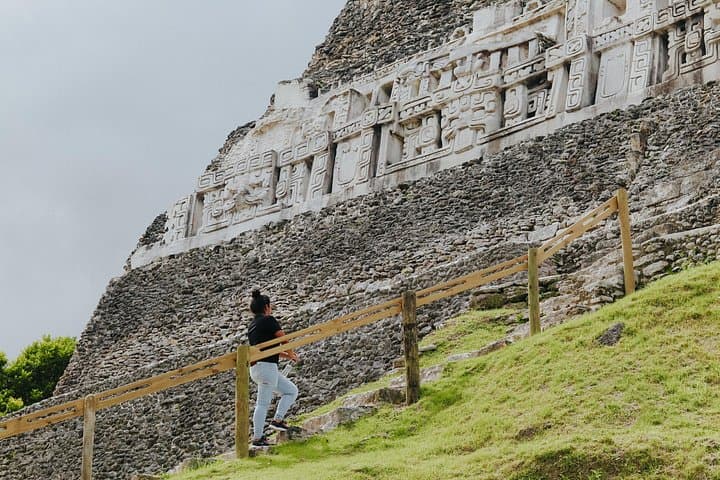
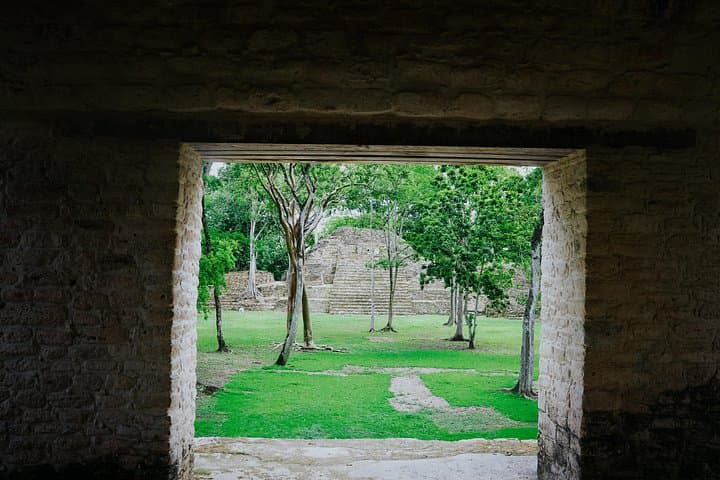
Xunantunich and Cahal Pech are compact lessons in Maya urban life and geology. Cahal Pech, occupied as early as 1200–1000 BCE, sits on a commanding hill over San Ignacio, its courtyard groups and two ballcourts compressed into just over two acres. Xunantunich, a short drive and ferry away, crowns a leveled limestone ridge; El Castillo (Structure A6) rises roughly 40 meters and offers sweeping views of the Cayo lowlands. The stone here is karst—easily carved, slowly eroding—and the sites preserve palace ranges, stelae, and evidence of classic Maya ritual and administration dating to AD 700–1000.
On a private six‑hour tour expect guided context on architecture, daily life, and belief systems, plus time to climb many temple stairways. Practicalities: pickup around San Ignacio is included; paths are uneven limestone with steep steps—good footwear, insect repellent, sun protection, and water are essential. Photography is encouraged but avoid touching stucco or glyphs. The best visits come early in the day when heat and midges are lower and the light scours reliefs into sharp contrast.
This excursion blends easy walking, short climbs, and rich cultural interpretation—ideal for travelers who want history up close without a strenuous trek.
The private tour is approximately six hours and includes pickup in the San Ignacio area, transportation in an air‑conditioned vehicle, guided visits to Xunantunich (about 3 hours) and Cahal Pech (about 2 hours), admission, and provided water.
Yes—most temple stairways can be climbed, but they are steep and uneven; follow your guide and avoid climbing if you have spinal, heart, or mobility concerns.
Children are welcome, and the tour is family‑friendly, but the sites have steep steps and uneven surfaces; despite wheelchair‑accessible transport options to the area, ruins themselves have limited accessibility.
Secure loose items and bring a light rain jacket if visiting during the wet season; the hand‑cranked ferry is short but can be wet on rainy days.
Classic Maya Adventure Tours (CmaTours) operates guided outdoor trips and adventures with an emphasis on safety, stewardship, and memorable experiences.


You step off the air-conditioned vehicle at a narrow riverside and wait as the hand‑cranked ferry pulls across the Mopan River. The current nudges the hull; iguanas sun themselves on exposed roots and a pair of bats wheel in the shade. On the opposite bank the ridge rises—limestone baked by the tropics, streaked with ferns and the corners of ancient plazas poking through the canopy.
You step off the air-conditioned vehicle at a narrow riverside and wait as the hand‑cranked ferry pulls across the Mopan River. The current nudges the hull; iguanas sun themselves on exposed roots and a pair of bats wheel in the shade. On the opposite bank the ridge rises—limestone baked by the tropics, streaked with ferns and the corners of ancient plazas poking through the canopy.
Xunantunich and Cahal Pech are compact lessons in Maya urban life and geology. Cahal Pech, occupied as early as 1200–1000 BCE, sits on a commanding hill over San Ignacio, its courtyard groups and two ballcourts compressed into just over two acres. Xunantunich, a short drive and ferry away, crowns a leveled limestone ridge; El Castillo (Structure A6) rises roughly 40 meters and offers sweeping views of the Cayo lowlands. The stone here is karst—easily carved, slowly eroding—and the sites preserve palace ranges, stelae, and evidence of classic Maya ritual and administration dating to AD 700–1000.
On a private six‑hour tour expect guided context on architecture, daily life, and belief systems, plus time to climb many temple stairways. Practicalities: pickup around San Ignacio is included; paths are uneven limestone with steep steps—good footwear, insect repellent, sun protection, and water are essential. Photography is encouraged but avoid touching stucco or glyphs. The best visits come early in the day when heat and midges are lower and the light scours reliefs into sharp contrast.
This excursion blends easy walking, short climbs, and rich cultural interpretation—ideal for travelers who want history up close without a strenuous trek.