THE ADVENTURE COLLECTIVE® · Independent discovery and booking for outdoor travel

Spend a half-day exploring Zoo El Pantanal, a compact reserve 20 minutes from Guayaquil showcasing coastal and jungle species. This guided visit combines close animal viewing with transport and bilingual interpretation—ideal for families and curious travelers.
Spend a half-day exploring Zoo El Pantanal, a compact reserve 20 minutes from Guayaquil showcasing coastal and jungle species. This guided visit combines close animal viewing with transport and bilingual interpretation—ideal for families and curious travelers.
You step off the van into late-morning heat and hear parrots calling from the canopy—El Pantanal unfolds like a compact wild reserve, pathways curving past enclosures where jaguars watch with slow, unreadable patience and flamingos preen in shallow pools.
Verified experiences and guided adventures in the surrounding area.
Operated by BM TOURS SA · Guayaquil, Guayas
You step off the van into late-morning heat and hear parrots calling from the canopy—El Pantanal unfolds like a compact wild reserve, pathways curving past enclosures where jaguars watch with slow, unreadable patience and flamingos preen in shallow pools.
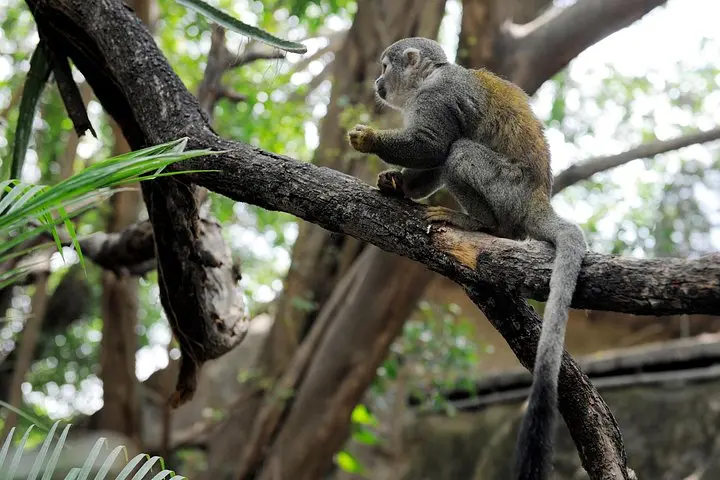
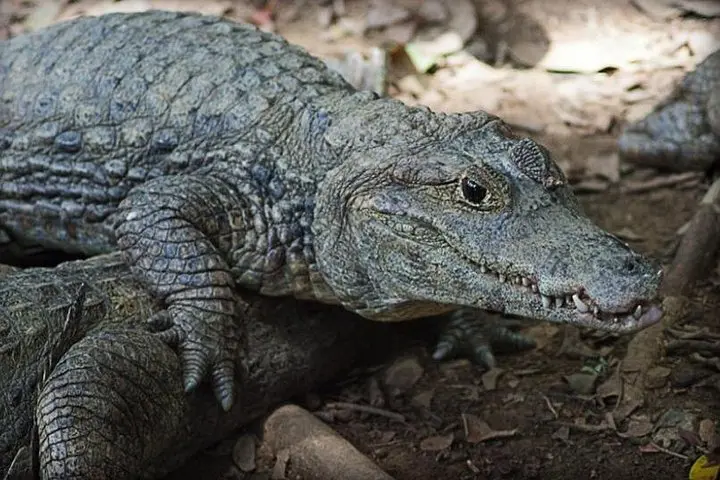
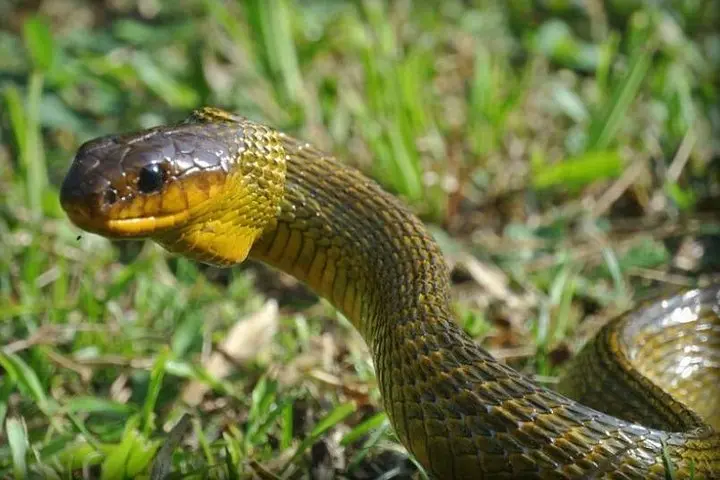
The zoo sits on the coastal plain outside Guayaquil and focuses on species from Ecuador’s western lowlands and rainforest, alongside a handful of exotic mammals kept for educational display. Geologically the area is flat, river-fed terrain shaped by Guayas River sediments; the landscape’s low elevation and mangrove history mean warm, humid air that makes animal activity easy to spot in mornings and late afternoons.
Culturally the site functions as both public attraction and classroom—guides explain Andean-to-coastal wildlife connections and the role urban centers play in regional biodiversity. History here is practical rather than monumental: private and municipal initiatives created exhibits to conserve, rehabilitate, and introduce visitors to species that many city dwellers rarely see in nature.
Practical guidance: expect four-hour tours with bilingual guides, transport included, and a mostly flat walk of paved paths and short dirt sections. Wear breathable layers and comfortable walking shoes; bring insect repellent and a camera with a zoom lens. Timing is everything—arrive early to see active predators and bird feeding, or late afternoon when cooler air draws animals nearer the viewing edges.
Respect sightlines, follow guide instructions at feeding areas, and avoid sudden movements near enclosures. The visit is easily accessible for families and travelers wanting a condensed wildlife experience without long travel from Guayaquil.
The guided tour runs about four hours, including transport from central pickup points and time inside the zoo.
Yes—children are welcome but must be accompanied by adults; parts of the route are stroller-accessible but some exhibits have steps.
Yes—transport, bilingual guide services, and entrance fees are included in the booking price.
Direct interaction is not permitted; the zoo emphasizes viewing, education, and animal welfare, so feeding or touching is restricted.
BM TOURS SA operates guided outdoor trips and adventures with an emphasis on safety, stewardship, and memorable experiences.
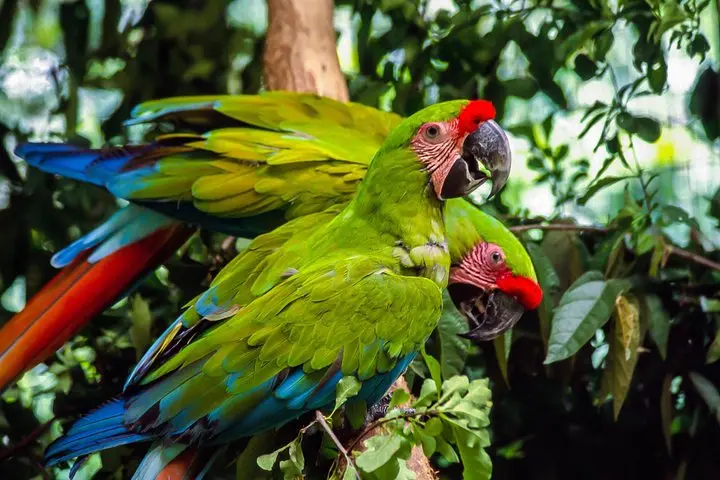
You step off the van into late-morning heat and hear parrots calling from the canopy—El Pantanal unfolds like a compact wild reserve, pathways curving past enclosures where jaguars watch with slow, unreadable patience and flamingos preen in shallow pools.
You step off the van into late-morning heat and hear parrots calling from the canopy—El Pantanal unfolds like a compact wild reserve, pathways curving past enclosures where jaguars watch with slow, unreadable patience and flamingos preen in shallow pools.
The zoo sits on the coastal plain outside Guayaquil and focuses on species from Ecuador’s western lowlands and rainforest, alongside a handful of exotic mammals kept for educational display. Geologically the area is flat, river-fed terrain shaped by Guayas River sediments; the landscape’s low elevation and mangrove history mean warm, humid air that makes animal activity easy to spot in mornings and late afternoons.
Culturally the site functions as both public attraction and classroom—guides explain Andean-to-coastal wildlife connections and the role urban centers play in regional biodiversity. History here is practical rather than monumental: private and municipal initiatives created exhibits to conserve, rehabilitate, and introduce visitors to species that many city dwellers rarely see in nature.
Practical guidance: expect four-hour tours with bilingual guides, transport included, and a mostly flat walk of paved paths and short dirt sections. Wear breathable layers and comfortable walking shoes; bring insect repellent and a camera with a zoom lens. Timing is everything—arrive early to see active predators and bird feeding, or late afternoon when cooler air draws animals nearer the viewing edges.
Respect sightlines, follow guide instructions at feeding areas, and avoid sudden movements near enclosures. The visit is easily accessible for families and travelers wanting a condensed wildlife experience without long travel from Guayaquil.