THE ADVENTURE COLLECTIVE® · Independent discovery and booking for outdoor travel

A single-day cultural loop through Abu Dhabi’s most iconic institutions: the Sheikh Zayed Grand Mosque’s luminous courtyards, the ceremonial halls of Qasr Al Watan, and the light-drenched galleries of the Louvre Abu Dhabi. Practical tips for timing, dress code, and making the most of each stop.
A single-day cultural loop through Abu Dhabi’s most iconic institutions: the Sheikh Zayed Grand Mosque’s luminous courtyards, the ceremonial halls of Qasr Al Watan, and the light-drenched galleries of the Louvre Abu Dhabi. Practical tips for timing, dress code, and making the most of each stop.
You step out of the van and into a city that balances monumental architecture with the raw brightness of desert light. White marble at the Sheikh Zayed Grand Mosque reflects the sun so cleanly it almost feels like walking inside a memory of light; domes and columns frame plazas where silence has shape. Later, the ceremonial halls of Qasr Al Watan open into carpeted galleries and vaulted ceilings that speak of governance, craft, and national pride. On Saadiyat Island the Louvre Abu Dhabi filters Mediterranean light through its perforated dome and scatters it across artworks from ancient to modern.
Verified experiences and guided adventures in the surrounding area.
Operated by Emirates Trips · Abu Dhabi, Abu Dhabi
You step out of the van and into a city that balances monumental architecture with the raw brightness of desert light. White marble at the Sheikh Zayed Grand Mosque reflects the sun so cleanly it almost feels like walking inside a memory of light; domes and columns frame plazas where silence has shape. Later, the ceremonial halls of Qasr Al Watan open into carpeted galleries and vaulted ceilings that speak of governance, craft, and national pride. On Saadiyat Island the Louvre Abu Dhabi filters Mediterranean light through its perforated dome and scatters it across artworks from ancient to modern.
The mosque was completed in 2007 and honors the UAE’s founding president; Qasr Al Watan is a newer cultural palace that doubles as a working seat of state, while the Louvre Abu Dhabi—opened 2017—represents an international cultural partnership. Geology here is coastal sand and reclaimed island terraces; the sea and desert press close and shape the city’s palette. Culturally, the three sites map Abu Dhabi’s ties to Islam, statecraft, and global art exchange.
Practical guidance: allow roughly 6–8 hours for a combined visit, start early to avoid midday heat, and factor in security screening times. Dress conservatively for mosque entry (women: headscarf available on site), carry bottled water, and keep camera etiquette in mind inside galleries. Book tickets or a guided tour in advance—Louvre Abu Dhabi and Qasr Al Watan can have timed-entry slots. Pace the day: shade, photo breaks, and light layers make a long cultural day comfortable and rewarding.
This tour typically includes admission to Qasr Al Watan and the Louvre Abu Dhabi; the Sheikh Zayed Grand Mosque is free to enter but may have guided tour options—confirm at booking.
Yes, many tours provide pickup from Dubai; check your booking confirmation for an exact pickup point and time window.
Major sites like the Grand Mosque and the Louvre Abu Dhabi offer wheelchair access and accessible facilities; contact your operator ahead for assistance arrangements.
October through April offers milder temperatures and more comfortable sightseeing; if visiting in summer, plan early morning slots and indoor museum time during peak heat.
Emirates Trips operates guided outdoor trips and adventures with an emphasis on safety, stewardship, and memorable experiences.
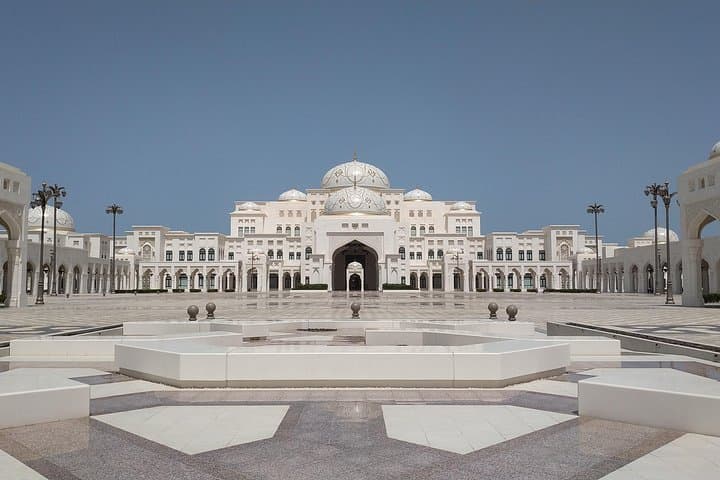
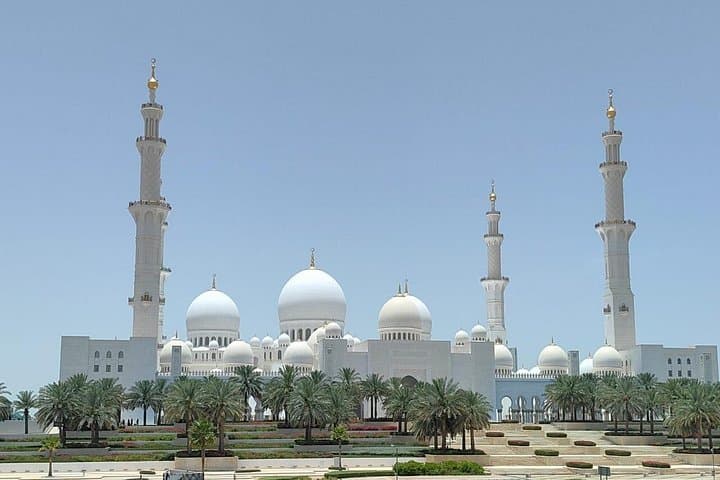
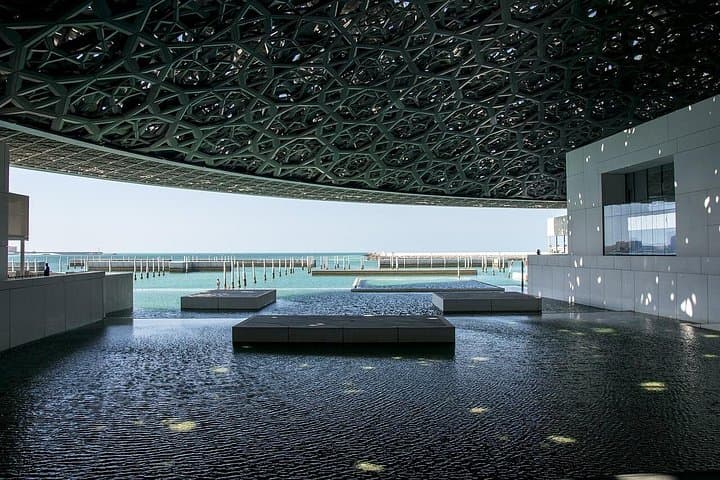
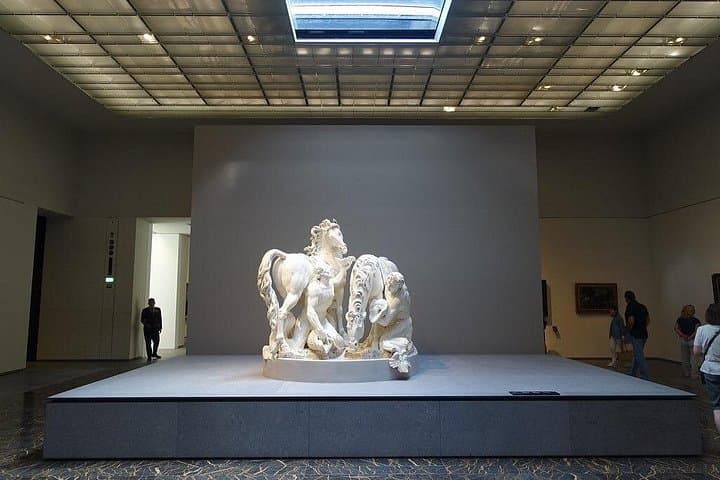
You step out of the van and into a city that balances monumental architecture with the raw brightness of desert light. White marble at the Sheikh Zayed Grand Mosque reflects the sun so cleanly it almost feels like walking inside a memory of light; domes and columns frame plazas where silence has shape. Later, the ceremonial halls of Qasr Al Watan open into carpeted galleries and vaulted ceilings that speak of governance, craft, and national pride. On Saadiyat Island the Louvre Abu Dhabi filters Mediterranean light through its perforated dome and scatters it across artworks from ancient to modern.
You step out of the van and into a city that balances monumental architecture with the raw brightness of desert light. White marble at the Sheikh Zayed Grand Mosque reflects the sun so cleanly it almost feels like walking inside a memory of light; domes and columns frame plazas where silence has shape. Later, the ceremonial halls of Qasr Al Watan open into carpeted galleries and vaulted ceilings that speak of governance, craft, and national pride. On Saadiyat Island the Louvre Abu Dhabi filters Mediterranean light through its perforated dome and scatters it across artworks from ancient to modern.
The mosque was completed in 2007 and honors the UAE’s founding president; Qasr Al Watan is a newer cultural palace that doubles as a working seat of state, while the Louvre Abu Dhabi—opened 2017—represents an international cultural partnership. Geology here is coastal sand and reclaimed island terraces; the sea and desert press close and shape the city’s palette. Culturally, the three sites map Abu Dhabi’s ties to Islam, statecraft, and global art exchange.
Practical guidance: allow roughly 6–8 hours for a combined visit, start early to avoid midday heat, and factor in security screening times. Dress conservatively for mosque entry (women: headscarf available on site), carry bottled water, and keep camera etiquette in mind inside galleries. Book tickets or a guided tour in advance—Louvre Abu Dhabi and Qasr Al Watan can have timed-entry slots. Pace the day: shade, photo breaks, and light layers make a long cultural day comfortable and rewarding.