THE ADVENTURE COLLECTIVE® · Independent discovery and booking for outdoor travel

A guided day trip from San Pedro to Actun Tunichil Muknal (ATM) moves from sea to jungle to an hourglass cave entrance where Mayan offerings and skeletal remains await. This challenging, reverent hike through river crossings and limestone chambers blends geology, archaeology and raw jungle immersion.
A guided day trip from San Pedro to Actun Tunichil Muknal (ATM) moves from sea to jungle to an hourglass cave entrance where Mayan offerings and skeletal remains await. This challenging, reverent hike through river crossings and limestone chambers blends geology, archaeology and raw jungle immersion.
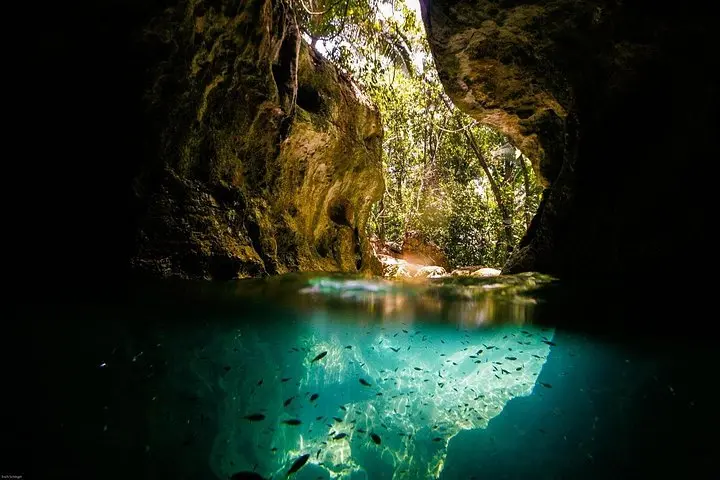
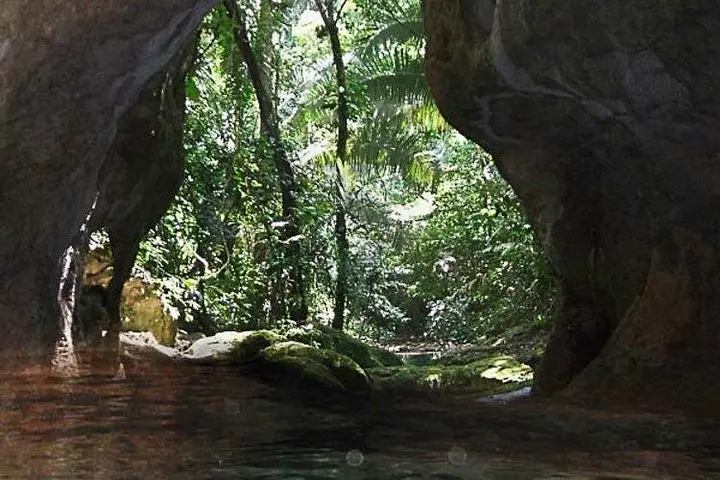
The jungle does not announce the cave. It reduces itself to the sound of water—rivers that insist on paths through limestone, birds that puncture the humidity—and then the trail narrows and the underworld opens: a narrow, hourglass-shaped mouth that swallows light and forces you to move differently, slower and more deliberate.
Verified experiences and guided adventures in the surrounding area.
Operated by Private Belize Adventure · San Ignacio, Cayo District
The jungle does not announce the cave. It reduces itself to the sound of water—rivers that insist on paths through limestone, birds that puncture the humidity—and then the trail narrows and the underworld opens: a narrow, hourglass-shaped mouth that swallows light and forces you to move differently, slower and more deliberate.
Actun Tunichil Muknal, the ATM, is not a show cave. It is a place of ritual, rock and water where the Maya left ceramics, offerings and human remains in chambers lit only by the thin shafts of daylight that find them. National Geographic named ATM the top sacred cave to explore in the world, and the first steps inside explain why: calcite curtains and draperies hang from the ceiling, stalactites and stalagmites compete for attention, and the floor alternates between ankle-deep streams and boulder fields that demand care.
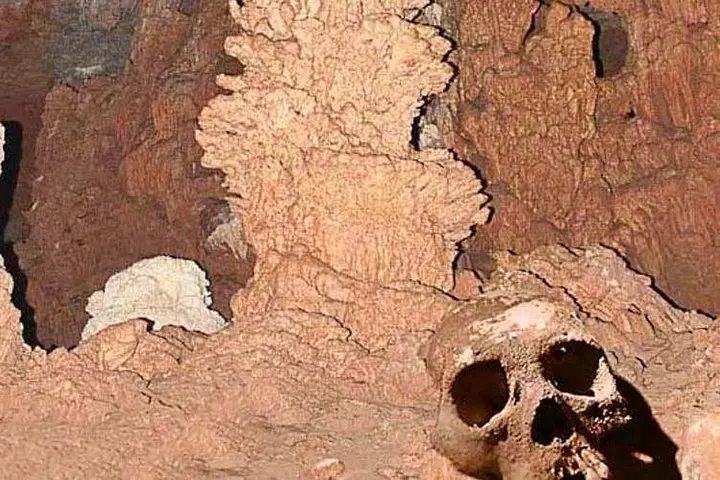
Geologically, ATM is classic karst: acidic rainwater carved passages through Belize’s limestone over millennia, feeding underground rivers that still dictate the cave’s routes. Culturally, the cave functioned as a conduit to Xibalba, the Maya underworld—ceramics and bones left in chambers are clear signs of ritual use. Guides from the Cayo District steward both history and safety; rangers protect the site, and strict rules keep visitors from touching fragile deposits and artifacts.
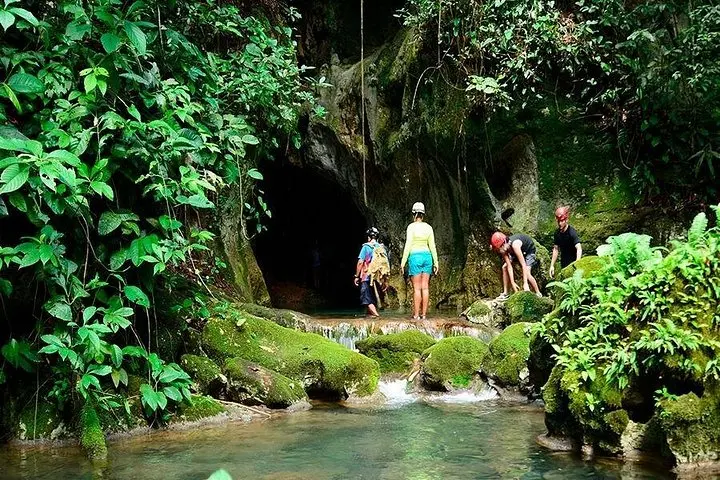
The experience begins in San Pedro or Belize City and becomes a 90-minute drive to the ranger outpost, followed by a 30-minute hike and three river crossings before the hourglass entrance. Inside, expect waist-deep wading in places and slippery boulder fields in others—this is a cave that keeps you honest. Guides supply helmets, headlamps and life jackets, but the physical demands remain: stable footing, steady breathing and an ability to take your time through confined, wet spaces.
Practical planning matters: arrive hydrated, wear secure water shoes with tread, and leave jewelry and anything fragile behind—nothing should be touched in the cave. Photography is sometimes limited; ask your guide and avoid flash near sensitive deposits. The best visits happen in the dry season (December–April) when water levels are lower and river crossings are less strenuous, though the rainforest is always alive—expect bats in the caverns and howler monkeys on approach.
This is a guided, reverent adventure—more archaeology than spelunking sport. If you have heart or spinal issues, are pregnant, or aren’t comfortable with sustained wading and uneven footing, opt out. For those ready, ATM delivers a rare blend of natural architecture and human history: a cave that compels attention, demands respect, and leaves a precise, humbling memory.
The tour involves a 30-minute hike, three river crossings and boulder scrambling inside the cave—participants should be in good physical condition and comfortable with wading and uneven footing.
Yes—local guides supply helmets, headlamps and life jackets as needed; you still should bring appropriate footwear and a dry bag.
Photography rules vary by chamber; ask your guide—flash and touching archaeological materials are usually prohibited to protect delicate deposits.
Older children who can follow safety instructions and manage river crossings may participate; check with the operator for age limits and safety guidelines.
Dry season (December–April) tends to have lower water levels and easier river crossings, though tours run year-round when conditions allow.
The cave is not recommended for pregnant travelers or those with serious heart or spinal conditions due to physical strain and confined spaces.
Private Belize Adventure operates guided outdoor trips and adventures with an emphasis on safety, stewardship, and memorable experiences.
The jungle does not announce the cave. It reduces itself to the sound of water—rivers that insist on paths through limestone, birds that puncture the humidity—and then the trail narrows and the underworld opens: a narrow, hourglass-shaped mouth that swallows light and forces you to move differently, slower and more deliberate.
The jungle does not announce the cave. It reduces itself to the sound of water—rivers that insist on paths through limestone, birds that puncture the humidity—and then the trail narrows and the underworld opens: a narrow, hourglass-shaped mouth that swallows light and forces you to move differently, slower and more deliberate.
Actun Tunichil Muknal, the ATM, is not a show cave. It is a place of ritual, rock and water where the Maya left ceramics, offerings and human remains in chambers lit only by the thin shafts of daylight that find them. National Geographic named ATM the top sacred cave to explore in the world, and the first steps inside explain why: calcite curtains and draperies hang from the ceiling, stalactites and stalagmites compete for attention, and the floor alternates between ankle-deep streams and boulder fields that demand care.
Geologically, ATM is classic karst: acidic rainwater carved passages through Belize’s limestone over millennia, feeding underground rivers that still dictate the cave’s routes. Culturally, the cave functioned as a conduit to Xibalba, the Maya underworld—ceramics and bones left in chambers are clear signs of ritual use. Guides from the Cayo District steward both history and safety; rangers protect the site, and strict rules keep visitors from touching fragile deposits and artifacts.
The experience begins in San Pedro or Belize City and becomes a 90-minute drive to the ranger outpost, followed by a 30-minute hike and three river crossings before the hourglass entrance. Inside, expect waist-deep wading in places and slippery boulder fields in others—this is a cave that keeps you honest. Guides supply helmets, headlamps and life jackets, but the physical demands remain: stable footing, steady breathing and an ability to take your time through confined, wet spaces.
Practical planning matters: arrive hydrated, wear secure water shoes with tread, and leave jewelry and anything fragile behind—nothing should be touched in the cave. Photography is sometimes limited; ask your guide and avoid flash near sensitive deposits. The best visits happen in the dry season (December–April) when water levels are lower and river crossings are less strenuous, though the rainforest is always alive—expect bats in the caverns and howler monkeys on approach.
This is a guided, reverent adventure—more archaeology than spelunking sport. If you have heart or spinal issues, are pregnant, or aren’t comfortable with sustained wading and uneven footing, opt out. For those ready, ATM delivers a rare blend of natural architecture and human history: a cave that compels attention, demands respect, and leaves a precise, humbling memory.