THE ADVENTURE COLLECTIVE® · Independent discovery and booking for outdoor travel

Step into Ait Ben Haddou and walk a thousand years of caravan history through narrow, earthen alleys. This guided city tour pairs compact walking with cultural context, film-history notes, and panoramic valley views.
Step into Ait Ben Haddou and walk a thousand years of caravan history through narrow, earthen alleys. This guided city tour pairs compact walking with cultural context, film-history notes, and panoramic valley views.
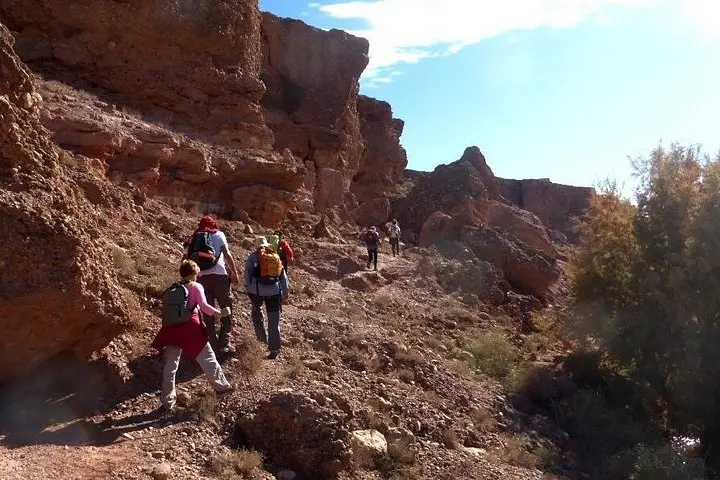
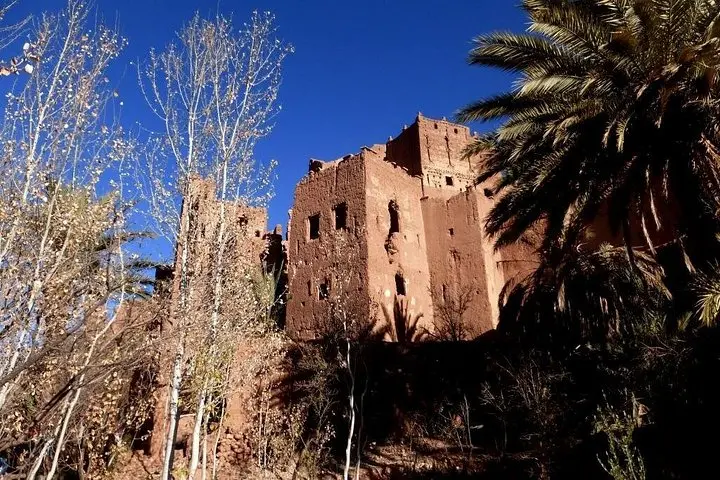
You climb the last stony slope and the red-brown silhouette of Ait Ben Haddou appears against a dry sky—a compact maze of stacked mud-brick houses and crenellated towers that catch the light like fired clay.
Verified experiences and guided adventures in the surrounding area.
Operated by Ait Ben Haddou Guided TOUR · Ait Ben Haddou, Drâa-Tafilalet
You climb the last stony slope and the red-brown silhouette of Ait Ben Haddou appears against a dry sky—a compact maze of stacked mud-brick houses and crenellated towers that catch the light like fired clay.
Walk its narrow alleys and you move through layers of history: a strategic ksar on the trans-Saharan caravan route where traders once rested between Marrakech and the Sahara. The buildings you see today are largely 17th‑century repairs built from rammed earth (pisé) and sun-dried brick, materials that age visibly with each season. The Ounila valley and the lower slopes of the High Atlas press against the village, their stony terraces pushing the kasbah into view and framing long-distance vistas.
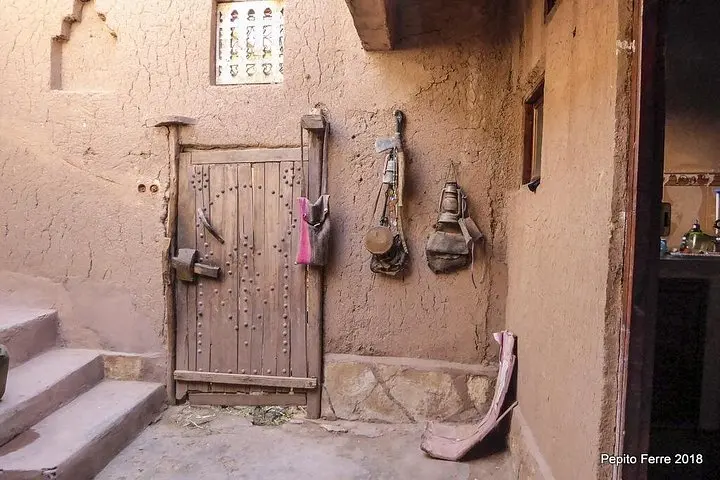
Culturally this is living architecture—private homes sit beside communal spaces, a small mosque, granaries (agadir) and two old cemeteries. Modern visitors will also spot film-era traces: crews used the ksar’s photogenic skyline for major productions, which helped revive local guiding services.
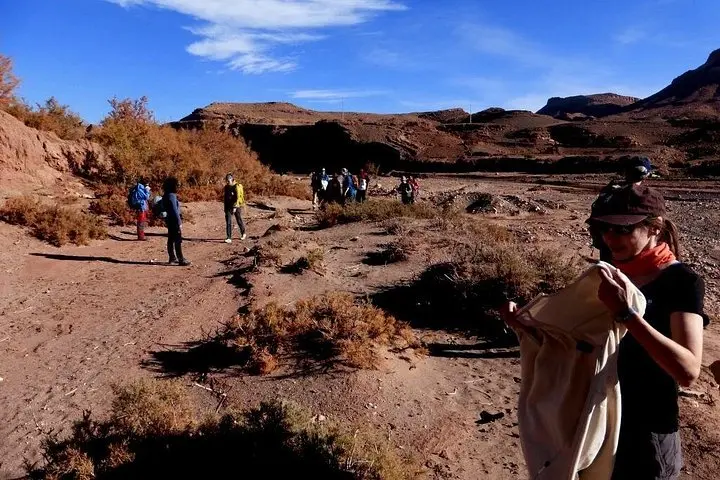
Practically, expect uneven, narrow paths and short flights of steep steps across roughly 0.5–1 km of traversable lanes with minimal elevation gain. Tours run 1–3 hours depending on stops; mornings or late afternoons are best to avoid heat and harsh light. Bring water, breathable sun protection, and sturdy footwear; a local guide adds context and arranges entrance where required. Respect private homes and the fragile earthen walls—photograph freely but step carefully. With a little planning, a guided visit to Ait Ben Haddou combines compact walking, living history, and wide desert-adjacent views in a single, memorable outing.
Most guided visits include 30–90 minutes of on-foot exploration within the ksar and nearby viewpoints, with total tour times from 1 to 3 hours depending on stops.
This specific itinerary lists admission included to the kasbah—confirm during booking if you require a separate ticket or local donation is suggested.
No; narrow alleys, steps and uneven surfaces mean the site is not fully wheelchair accessible—contact the operator to discuss accommodations.
Yes, general photography is allowed, but ask before photographing inside private homes and avoid climbing on fragile structures; drone use is typically restricted or requires permits.
Ait Ben Haddou Guided TOUR operates guided outdoor trips and adventures with an emphasis on safety, stewardship, and memorable experiences.
You climb the last stony slope and the red-brown silhouette of Ait Ben Haddou appears against a dry sky—a compact maze of stacked mud-brick houses and crenellated towers that catch the light like fired clay.
You climb the last stony slope and the red-brown silhouette of Ait Ben Haddou appears against a dry sky—a compact maze of stacked mud-brick houses and crenellated towers that catch the light like fired clay.
Walk its narrow alleys and you move through layers of history: a strategic ksar on the trans-Saharan caravan route where traders once rested between Marrakech and the Sahara. The buildings you see today are largely 17th‑century repairs built from rammed earth (pisé) and sun-dried brick, materials that age visibly with each season. The Ounila valley and the lower slopes of the High Atlas press against the village, their stony terraces pushing the kasbah into view and framing long-distance vistas.
Culturally this is living architecture—private homes sit beside communal spaces, a small mosque, granaries (agadir) and two old cemeteries. Modern visitors will also spot film-era traces: crews used the ksar’s photogenic skyline for major productions, which helped revive local guiding services.
Practically, expect uneven, narrow paths and short flights of steep steps across roughly 0.5–1 km of traversable lanes with minimal elevation gain. Tours run 1–3 hours depending on stops; mornings or late afternoons are best to avoid heat and harsh light. Bring water, breathable sun protection, and sturdy footwear; a local guide adds context and arranges entrance where required. Respect private homes and the fragile earthen walls—photograph freely but step carefully. With a little planning, a guided visit to Ait Ben Haddou combines compact walking, living history, and wide desert-adjacent views in a single, memorable outing.