THE ADVENTURE COLLECTIVE® · Independent discovery and booking for outdoor travel

Step into Tiantan and you’ll find a working cultural landscape where Ming and Qing rites meet morning tai chi and city life. This guide explains what to expect at Temple of Heaven Park and how to plan a respectful, efficient visit.
Step into Tiantan and you’ll find a working cultural landscape where Ming and Qing rites meet morning tai chi and city life. This guide explains what to expect at Temple of Heaven Park and how to plan a respectful, efficient visit.
On an early Beijing morning the park opens like a quiet city within a city: brick paths unfurl beneath ancient cypress, elders move through morning tai chi while the Hall of Prayer for Good Harvests crowns the skyline in pale tile. The air carries the ring of bicycle bells and the low hum of a metropolis beyond the trees, but inside the park the rhythm is human-scale, deliberate.
Verified experiences and guided adventures in the surrounding area.
Operated by Beijing Xuran Holiday Tourism Co., Ltd · Beijing, Beijing
On an early Beijing morning the park opens like a quiet city within a city: brick paths unfurl beneath ancient cypress, elders move through morning tai chi while the Hall of Prayer for Good Harvests crowns the skyline in pale tile. The air carries the ring of bicycle bells and the low hum of a metropolis beyond the trees, but inside the park the rhythm is human-scale, deliberate.
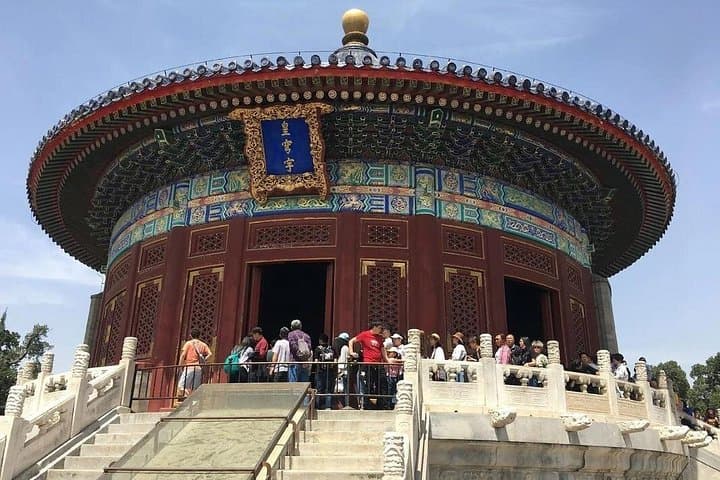
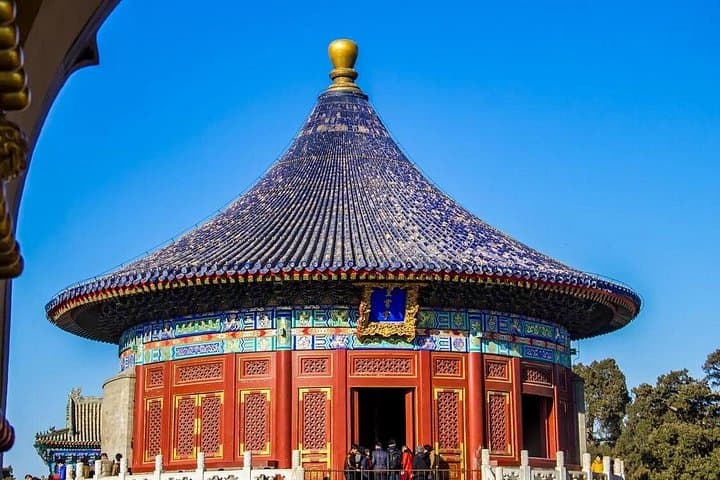
Built under the Ming and Qing dynasties, Temple of Heaven Park (Tiantan) served as the imperial stage for rites asking heaven for fertile harvests. The complex—centered on the circular Hall of Prayer and the lower Circular Mound Altar—reflects cosmological ideas in its geometry and woodwork: circles and squares represent heaven and earth. The lawns, old-growth cypresses and the Park’s layout tell a history of ritual, urban planning and Qing-era restoration.
Expect broad paved promenades, granite steps, and open plazas rather than rugged trails; the terrain is flat and accessible. Cultural moments arrive in small details: carved eaves, echoing walls, and the steady presence of local life—vendors, tai chi groups, and calligraphers practicing on paper with water.
Plan a 2–4 hour visit to move through the main halls and give time for people-watching. Arrive early to avoid midday crowds, carry water, and dress in layers for seasonal swings. Photography is widespread but show respect at ritual sites. Use public transit to reach the park and allow extra time for admission lines during peak season—this is a place where heritage and daily Beijing converge, inviting steady, observant exploration.
Most visitors spend 2–4 hours to see the main temples, the Circular Mound Altar, and to walk through the gardens; add more time if you wish to linger with locals in the morning activities.
Yes — paved paths and many public areas in the park are wheelchair accessible, and transportation options nearby offer accessible services.
Yes — admission often includes electronic explanation fees; guided tours are available through third-party providers for deeper historical context.
Yes — the park is stroller-friendly with broad pathways, though some historic buildings have steps at their entrances.
Beijing Xuran Holiday Tourism Co., Ltd operates guided outdoor trips and adventures with an emphasis on safety, stewardship, and memorable experiences.
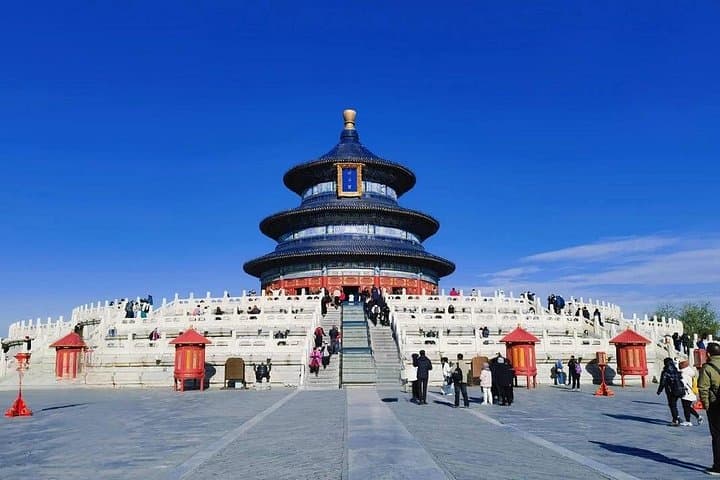
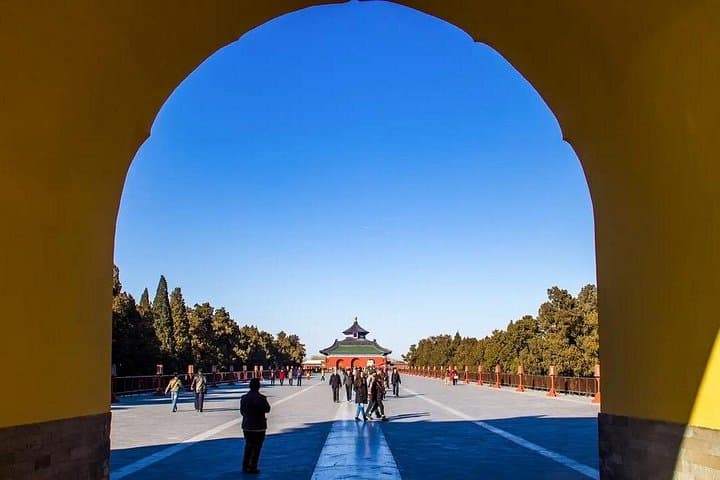
On an early Beijing morning the park opens like a quiet city within a city: brick paths unfurl beneath ancient cypress, elders move through morning tai chi while the Hall of Prayer for Good Harvests crowns the skyline in pale tile. The air carries the ring of bicycle bells and the low hum of a metropolis beyond the trees, but inside the park the rhythm is human-scale, deliberate.
On an early Beijing morning the park opens like a quiet city within a city: brick paths unfurl beneath ancient cypress, elders move through morning tai chi while the Hall of Prayer for Good Harvests crowns the skyline in pale tile. The air carries the ring of bicycle bells and the low hum of a metropolis beyond the trees, but inside the park the rhythm is human-scale, deliberate.
Built under the Ming and Qing dynasties, Temple of Heaven Park (Tiantan) served as the imperial stage for rites asking heaven for fertile harvests. The complex—centered on the circular Hall of Prayer and the lower Circular Mound Altar—reflects cosmological ideas in its geometry and woodwork: circles and squares represent heaven and earth. The lawns, old-growth cypresses and the Park’s layout tell a history of ritual, urban planning and Qing-era restoration.
Expect broad paved promenades, granite steps, and open plazas rather than rugged trails; the terrain is flat and accessible. Cultural moments arrive in small details: carved eaves, echoing walls, and the steady presence of local life—vendors, tai chi groups, and calligraphers practicing on paper with water.
Plan a 2–4 hour visit to move through the main halls and give time for people-watching. Arrive early to avoid midday crowds, carry water, and dress in layers for seasonal swings. Photography is widespread but show respect at ritual sites. Use public transit to reach the park and allow extra time for admission lines during peak season—this is a place where heritage and daily Beijing converge, inviting steady, observant exploration.