THE ADVENTURE COLLECTIVE® · Independent discovery and booking for outdoor travel

A full-day take into Cambodia’s wilder Angkor sites: Beng Melea’s jungle-swallowed galleries and Koh Ker’s lone pyramid. This small-group tour pairs hands-on exploration with practical guidance for hiking ancient, uneven ruins.
A full-day take into Cambodia’s wilder Angkor sites: Beng Melea’s jungle-swallowed galleries and Koh Ker’s lone pyramid. This small-group tour pairs hands-on exploration with practical guidance for hiking ancient, uneven ruins.
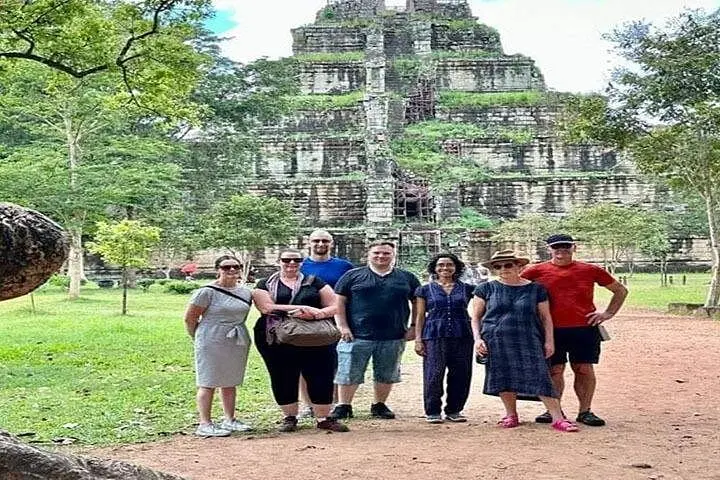
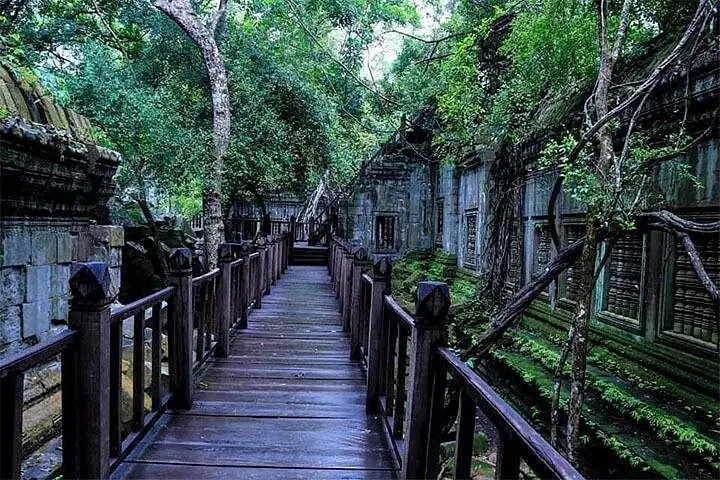
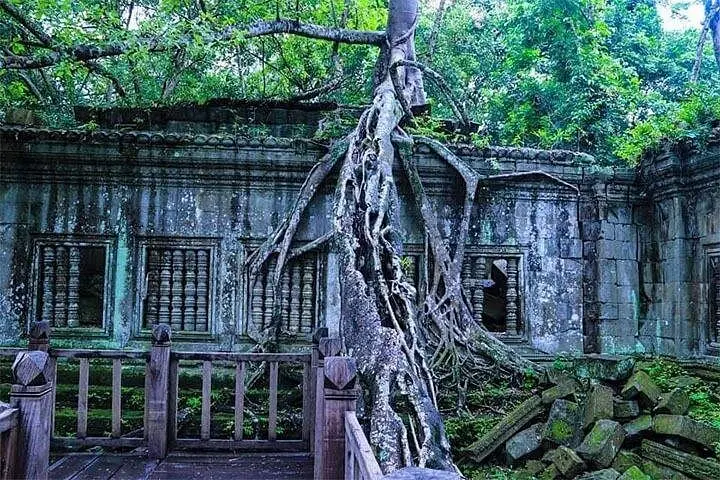
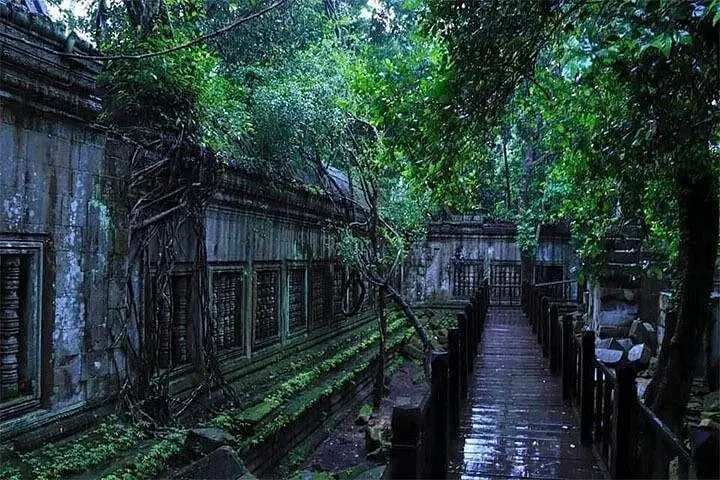
You step from the minivan into a corridor of sun and jungle: sunlight spears through kapok branches, vines drape over collapsed lintels, and the air smells faintly of earth and incense. Beng Melea’s toppled galleries dare you to weave through its corridors, while Koh Ker’s isolated pyramid prang looms across scrubland, a granite heart in a quieter landscape.
Verified experiences and guided adventures in the surrounding area.
Operated by Angkor 𝐓𝐫𝐚𝐯𝐞𝐥 𝐆𝐮𝐢𝐝𝐞 · Siem Reap, Siem Reap Province
You step from the minivan into a corridor of sun and jungle: sunlight spears through kapok branches, vines drape over collapsed lintels, and the air smells faintly of earth and incense. Beng Melea’s toppled galleries dare you to weave through its corridors, while Koh Ker’s isolated pyramid prang looms across scrubland, a granite heart in a quieter landscape.
These sites belong to a bold century of Khmer architecture. Beng Melea, built in the 11th century, was partially reclaimed by forest, leaving corridors, collapsed towers and bas-reliefs half-buried in roots. Koh Ker was briefly a capital in the 10th century under King Jayavarman IV; its Prasat Thom complex and stepped pyramid mark a different, more austere phase of Khmer design. Geologically the area sits on flat alluvial plains with lateritic sandstone and sandstone blocks that weather into jagged, unstable surfaces; culturally, villages along the drive still produce palm sugar and maintain traditional crafts.
On a guided full-day tour you’ll walk uneven stone, climb short flights of collapsed stairs, and spend hours outdoors — expect a mix of shaded stands and open, hot exposures. Bring sturdy footwear, sun protection, cash for small purchases and a camera with a spare battery. Move deliberately on loose blocks, respect carved faces and follow your guide’s route to avoid fragile masonry. Morning departures avoid the midday heat and give the best light for photography. Whether you’re after history, quiet ruins or a taste of Cambodia’s wild side, this day trip pairs remote archeology with practical logistics for a rewarding, accessible adventure.
This tour summary indicates admissions are not included—bring cash for national park or temple entry fees unless your booking states otherwise.
The operator lists stroller and wheelchair accessibility, but many temple surfaces are uneven; plan for extra assistance and check specific accessibility arrangements before booking.
Siem Reap’s dry season (Nov–Apr) is sunny and cooler; the wet season (May–Oct) brings heavy afternoon showers and muddier trails—dress accordingly.
Photography is welcome but touching carvings or climbing fragile masonry is discouraged to protect the sites; follow your guide’s instructions.
Angkor 𝐓𝐫𝐚𝐯𝐞𝐥 𝐆𝐮𝐢𝐝𝐞 operates guided outdoor trips and adventures with an emphasis on safety, stewardship, and memorable experiences.
You step from the minivan into a corridor of sun and jungle: sunlight spears through kapok branches, vines drape over collapsed lintels, and the air smells faintly of earth and incense. Beng Melea’s toppled galleries dare you to weave through its corridors, while Koh Ker’s isolated pyramid prang looms across scrubland, a granite heart in a quieter landscape.
You step from the minivan into a corridor of sun and jungle: sunlight spears through kapok branches, vines drape over collapsed lintels, and the air smells faintly of earth and incense. Beng Melea’s toppled galleries dare you to weave through its corridors, while Koh Ker’s isolated pyramid prang looms across scrubland, a granite heart in a quieter landscape.
These sites belong to a bold century of Khmer architecture. Beng Melea, built in the 11th century, was partially reclaimed by forest, leaving corridors, collapsed towers and bas-reliefs half-buried in roots. Koh Ker was briefly a capital in the 10th century under King Jayavarman IV; its Prasat Thom complex and stepped pyramid mark a different, more austere phase of Khmer design. Geologically the area sits on flat alluvial plains with lateritic sandstone and sandstone blocks that weather into jagged, unstable surfaces; culturally, villages along the drive still produce palm sugar and maintain traditional crafts.
On a guided full-day tour you’ll walk uneven stone, climb short flights of collapsed stairs, and spend hours outdoors — expect a mix of shaded stands and open, hot exposures. Bring sturdy footwear, sun protection, cash for small purchases and a camera with a spare battery. Move deliberately on loose blocks, respect carved faces and follow your guide’s route to avoid fragile masonry. Morning departures avoid the midday heat and give the best light for photography. Whether you’re after history, quiet ruins or a taste of Cambodia’s wild side, this day trip pairs remote archeology with practical logistics for a rewarding, accessible adventure.