THE ADVENTURE COLLECTIVE® · Independent discovery and booking for outdoor travel

Spend four hours tracing Brasília’s bold modernist lines—from Niemeyer’s cathedral crown to the legislative axis—on a private, accessible tour. Early starts, ID for select entries, and comfortable shoes make the most of the city’s open avenues and reflective vistas.
Spend four hours tracing Brasília’s bold modernist lines—from Niemeyer’s cathedral crown to the legislative axis—on a private, accessible tour. Early starts, ID for select entries, and comfortable shoes make the most of the city’s open avenues and reflective vistas.
Step off the air-conditioned vehicle and into a city that still reads like a modern experiment—wide avenues, bold concrete curves and reflecting pools that catch the sky. The Cathedral’s hyperbolic crown throws lace-like shadows; the Parade of Government buildings sits low and deliberate on the Monumental Axis; JK Bridge arcs over Lake Paranoá like a steel eyebrow daring you to look farther.
Verified experiences and guided adventures in the surrounding area.
Operated by Guia de Brasília Alberto · Brasília, Distrito Federal
Step off the air-conditioned vehicle and into a city that still reads like a modern experiment—wide avenues, bold concrete curves and reflecting pools that catch the sky. The Cathedral’s hyperbolic crown throws lace-like shadows; the Parade of Government buildings sits low and deliberate on the Monumental Axis; JK Bridge arcs over Lake Paranoá like a steel eyebrow daring you to look farther.
Brasília was carved from the cerrado in the late 1950s, a planned capital laid out by Lúcio Costa and sketched into form by Oscar Niemeyer. The city’s clean geometry and modernist language tell a political story: a 20th-century vision of national unity, accelerated construction and Brasília’s designation as a UNESCO World Heritage Site in 1987. Geologically the region is a high plateau of the Brazilian cerrado—sandy, lateritic soils and open savanna—so green spaces and urban wetlands are part of the city’s pulse.
This four-hour private tour moves by foot, bike or car between signature works: the Metropolitan Cathedral, the Congress complex, the JK Memorial museum and the lookout at the JK Bridge. Expect a mix of exterior viewing and short interior visits; some sites require ID for entry (tower, official residence) and timed tickets for museums.
Practical guidance: go early for softer light and cooler temperatures, wear grippy shoes for paved plazas, carry a refillable water bottle and sunscreen, and bring an ID for any lookout elevators. The route is mostly flat and wheelchair accessible, but allow time for short walks between viewpoints and security checks. With focused planning this city tour gives a concentrated, literal view of Brazil’s mid-century ambitions and the living city that grew from them.
Most stops are exterior and free; some museums and specific interiors may charge admission—confirm which entries are included when you book.
Yes—the itinerary notes wheelchair-accessible routes and vehicles, though some interior spaces may have restricted access; notify operator of special requirements at booking.
Guides typically operate in Portuguese and English; request your preferred language at booking to ensure availability.
Pickup options are offered—bookings request pickup point details so the guide can coordinate hotel or meeting location pickup.
Guia de Brasília Alberto operates guided outdoor trips and adventures with an emphasis on safety, stewardship, and memorable experiences.
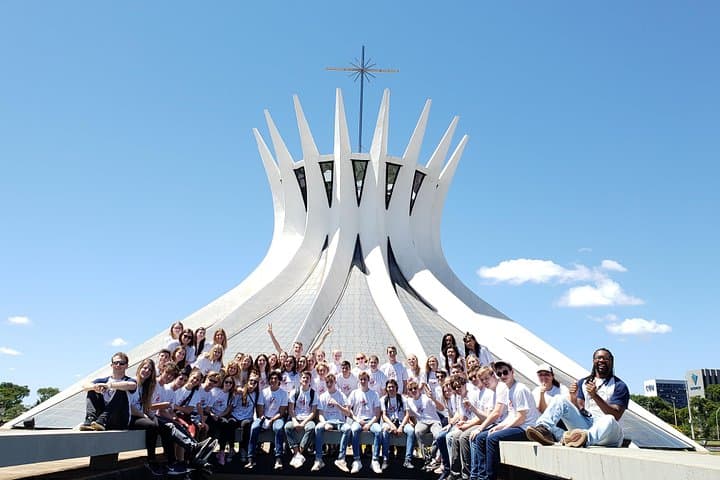
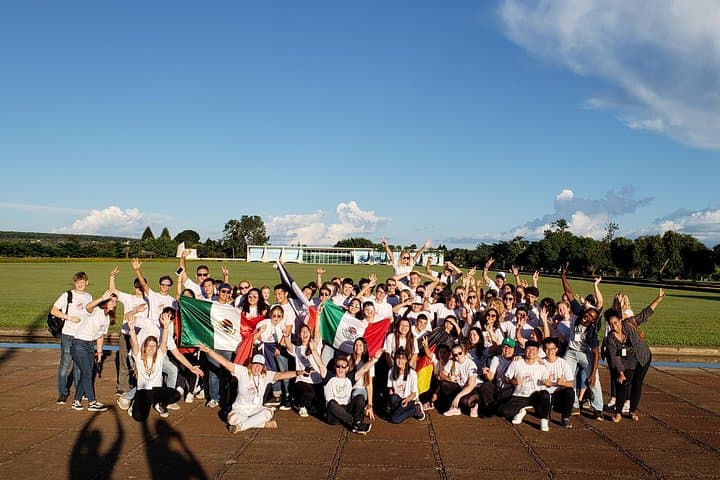
Step off the air-conditioned vehicle and into a city that still reads like a modern experiment—wide avenues, bold concrete curves and reflecting pools that catch the sky. The Cathedral’s hyperbolic crown throws lace-like shadows; the Parade of Government buildings sits low and deliberate on the Monumental Axis; JK Bridge arcs over Lake Paranoá like a steel eyebrow daring you to look farther.
Step off the air-conditioned vehicle and into a city that still reads like a modern experiment—wide avenues, bold concrete curves and reflecting pools that catch the sky. The Cathedral’s hyperbolic crown throws lace-like shadows; the Parade of Government buildings sits low and deliberate on the Monumental Axis; JK Bridge arcs over Lake Paranoá like a steel eyebrow daring you to look farther.
Brasília was carved from the cerrado in the late 1950s, a planned capital laid out by Lúcio Costa and sketched into form by Oscar Niemeyer. The city’s clean geometry and modernist language tell a political story: a 20th-century vision of national unity, accelerated construction and Brasília’s designation as a UNESCO World Heritage Site in 1987. Geologically the region is a high plateau of the Brazilian cerrado—sandy, lateritic soils and open savanna—so green spaces and urban wetlands are part of the city’s pulse.
This four-hour private tour moves by foot, bike or car between signature works: the Metropolitan Cathedral, the Congress complex, the JK Memorial museum and the lookout at the JK Bridge. Expect a mix of exterior viewing and short interior visits; some sites require ID for entry (tower, official residence) and timed tickets for museums.
Practical guidance: go early for softer light and cooler temperatures, wear grippy shoes for paved plazas, carry a refillable water bottle and sunscreen, and bring an ID for any lookout elevators. The route is mostly flat and wheelchair accessible, but allow time for short walks between viewpoints and security checks. With focused planning this city tour gives a concentrated, literal view of Brazil’s mid-century ambitions and the living city that grew from them.