THE ADVENTURE COLLECTIVE® · Independent discovery and booking for outdoor travel

A private, half-day tour that traces Caravaggio’s influence through Museo di Capodimonte, Pio Monte della Misericordia, and Gallerie d’Italia. Perfect for art lovers who want close-up viewing with expert context.
A private, half-day tour that traces Caravaggio’s influence through Museo di Capodimonte, Pio Monte della Misericordia, and Gallerie d’Italia. Perfect for art lovers who want close-up viewing with expert context.
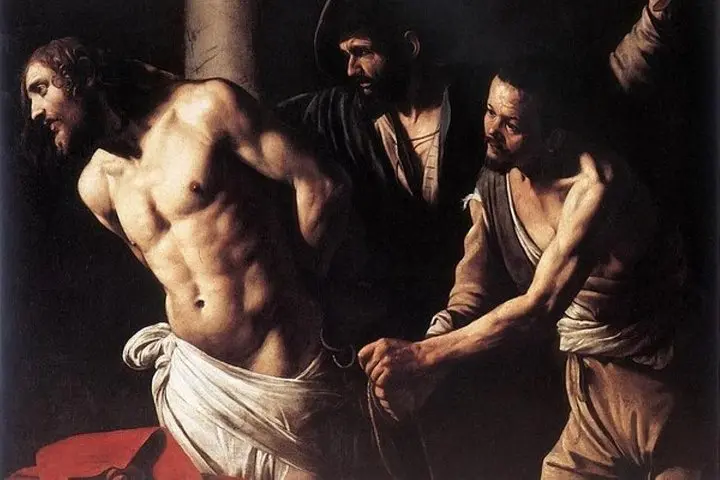
You step out at Piazza Municipio, the salt-slick harbor air pressing against the stone, and the city seems to lean forward to show you its art. In a private vehicle you climb toward Capodimonte, streets tightening, facades changing from port-worn blocks to grand, tiled villas; inside the Museo di Capodimonte, Caravaggio’s chiaroscuro pulls the room into a single, electric hush.
Verified experiences and guided adventures in the surrounding area.
Operated by Worldtours · Naples, Campania
You step out at Piazza Municipio, the salt-slick harbor air pressing against the stone, and the city seems to lean forward to show you its art. In a private vehicle you climb toward Capodimonte, streets tightening, facades changing from port-worn blocks to grand, tiled villas; inside the Museo di Capodimonte, Caravaggio’s chiaroscuro pulls the room into a single, electric hush.
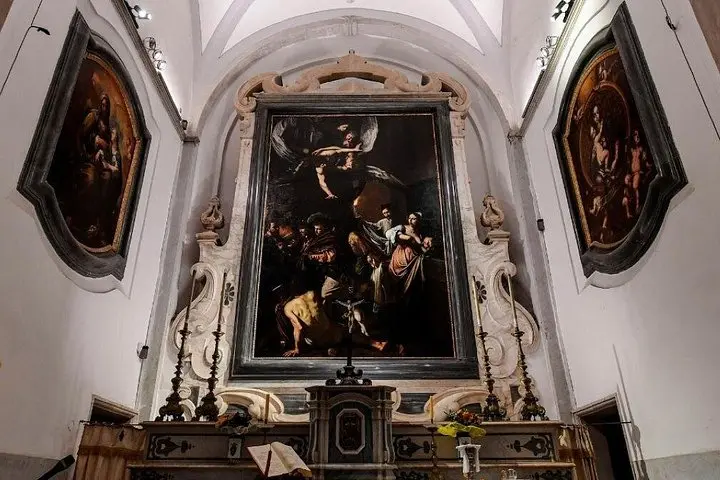
Naples is a city forged on volcanic soil—Vesuvius looms in the background—and its art history is equally elemental. Caravaggio arrived in the city in the early 17th century and left work that shocked local sensibilities and reshaped Baroque painting across Italy. The tour pairs his canvases with the devotional intensity of Pio Monte della Misericordia’s The Seven Works of Mercy and the broader sweep at Gallerie d’Italia, where Neapolitan Baroque sits beside Renaissance and modern pieces.
Expect guided walking segments inside compact, often dim galleries where your guide translates brushwork into social history—patronage, street life, and the city’s ecclesiastical power. The route balances museum time with short drives; admissions are included and the tour finishes back at Piazza Municipio.
Practical notes: moderate fitness for brief staircases and standing; no heavy equipment required. Plan for less flash photography, comfortable shoes, and time to digest—these are rooms meant to be read slowly. Morning departures avoid peak crowds, and summer afternoons can feel stifling in older galleries without modern climate control.
The tour lasts approximately six hours, including transport between sites and guided time inside each museum.
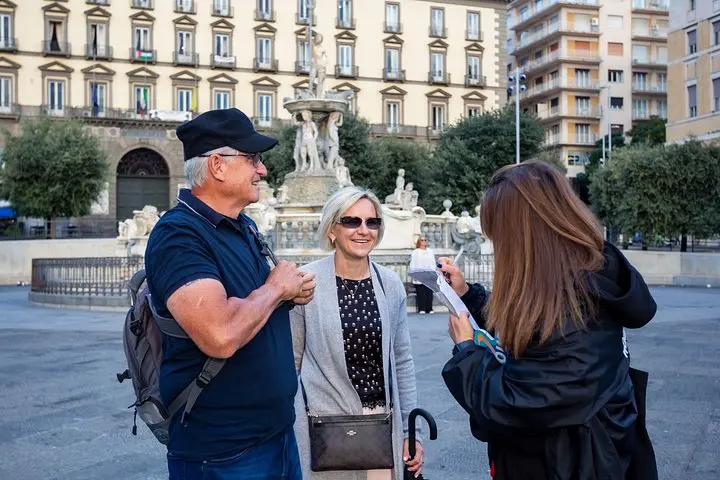
The tour begins and ends at Piazza Municipio near the Neptune Fountain for easy access to central Naples.
Yes—entrance to Museo di Capodimonte, Pio Monte della Misericordia, and Gallerie d’Italia are included in the tour price.
Not recommended for guests with significant mobility limitations due to stairs and standing; inquire about specific accessibility needs when booking.
Worldtours operates guided outdoor trips and adventures with an emphasis on safety, stewardship, and memorable experiences.
You step out at Piazza Municipio, the salt-slick harbor air pressing against the stone, and the city seems to lean forward to show you its art. In a private vehicle you climb toward Capodimonte, streets tightening, facades changing from port-worn blocks to grand, tiled villas; inside the Museo di Capodimonte, Caravaggio’s chiaroscuro pulls the room into a single, electric hush.
You step out at Piazza Municipio, the salt-slick harbor air pressing against the stone, and the city seems to lean forward to show you its art. In a private vehicle you climb toward Capodimonte, streets tightening, facades changing from port-worn blocks to grand, tiled villas; inside the Museo di Capodimonte, Caravaggio’s chiaroscuro pulls the room into a single, electric hush.
Naples is a city forged on volcanic soil—Vesuvius looms in the background—and its art history is equally elemental. Caravaggio arrived in the city in the early 17th century and left work that shocked local sensibilities and reshaped Baroque painting across Italy. The tour pairs his canvases with the devotional intensity of Pio Monte della Misericordia’s The Seven Works of Mercy and the broader sweep at Gallerie d’Italia, where Neapolitan Baroque sits beside Renaissance and modern pieces.
Expect guided walking segments inside compact, often dim galleries where your guide translates brushwork into social history—patronage, street life, and the city’s ecclesiastical power. The route balances museum time with short drives; admissions are included and the tour finishes back at Piazza Municipio.
Practical notes: moderate fitness for brief staircases and standing; no heavy equipment required. Plan for less flash photography, comfortable shoes, and time to digest—these are rooms meant to be read slowly. Morning departures avoid peak crowds, and summer afternoons can feel stifling in older galleries without modern climate control.