THE ADVENTURE COLLECTIVE® · Independent discovery and booking for outdoor travel

Step inside a focused, multimedia exploration of Cherokee history at the Museum of the Cherokee People. This accessible museum traces 13,000 years of culture—from prehistoric life through contemporary expressions of sovereignty—and rewards a 1–3 hour visit.
Step inside a focused, multimedia exploration of Cherokee history at the Museum of the Cherokee People. This accessible museum traces 13,000 years of culture—from prehistoric life through contemporary expressions of sovereignty—and rewards a 1–3 hour visit.
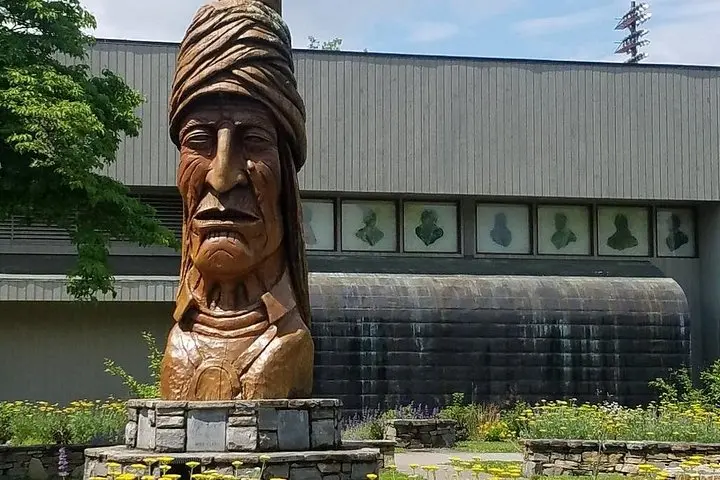
Fog from the nearby Smokies often softens the morning light on Tsali Boulevard; step through the museum doors and the air tightens into focused quiet—cases, timelines and life-sized figures rearrange the landscape from mountain to memory.
Verified experiences and guided adventures in the surrounding area.
Operated by Museum of the Cherokee People · Cherokee, North Carolina
Fog from the nearby Smokies often softens the morning light on Tsali Boulevard; step through the museum doors and the air tightens into focused quiet—cases, timelines and life-sized figures rearrange the landscape from mountain to memory.
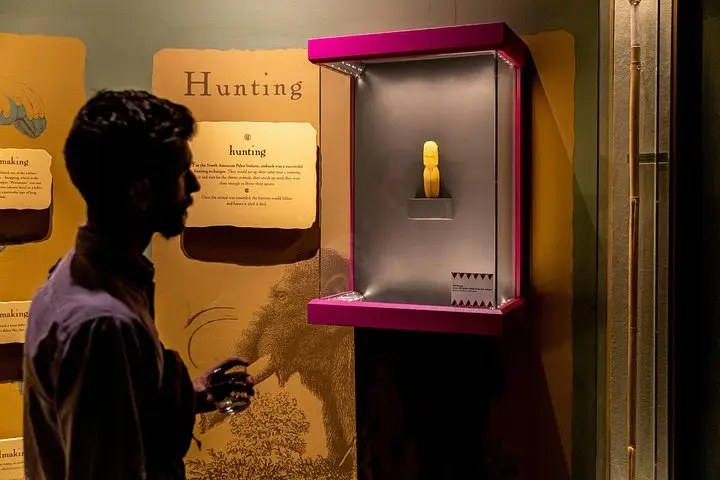
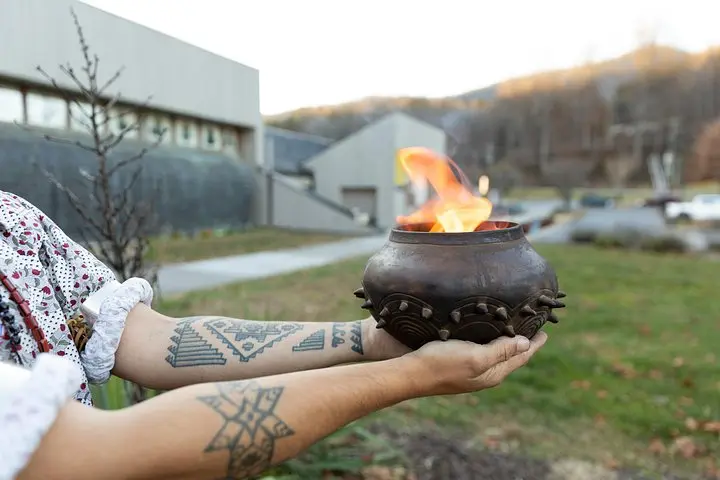
The Museum of the Cherokee People (est. 1948) traces roughly 13,000 years of Cherokee presence in the southern Appalachians. Exhibits move from prehistoric life and mastodon-era landscapes through colonial-era diplomacy to contemporary conversations about sovereignty and cultural revival. The ''sov·er·eign·ty'' installation and the Charles George Beloved Veterans Hall place present-day tribal identity next to historical artifacts, while community pottery showcases active traditions rather than static displays.
Geology and place weave through the story: the southern Appalachians’ folded ridges shaped migration routes, river valleys and settlement patterns that the museum maps in artifact and narrative. Expect multimedia storytelling—animation, dioramas and archival objects—designed to clarify complex histories without diluting them.
Practical guidance: allow 1–3 hours for a full visit; exhibits are ADA accessible, service animals are permitted, and mobile tickets are accepted at entry. Photography of general exhibits is usually allowed for personal use but confirm at the desk for special loans or traveling shows. Plan visits outside midday in summer to avoid local crowds; supplement with a walk along the nearby Oconaluftee River or a short drive to Mingo Falls to feel the landscape that shaped Cherokee life.
Respect exhibit labels and handling rules, support the Museum Store for locally made work, and leave time to absorb the continuity of culture that the museum presents as both history and living practice.
Most visitors spend 1–3 hours depending on interest in the main exhibits and temporary shows; allow more time for the pottery displays and special programming.
General admission tickets are required; mobile tickets are accepted and provide direct entry at the admissions desk.
Yes—galleries, restrooms and the education wing are ADA accessible, with handicapped parking at the entrance and service animals permitted.
Children are welcome but must be accompanied by an adult; several exhibits use interactive media and panels aimed at younger audiences.
Museum of the Cherokee People operates guided outdoor trips and adventures with an emphasis on safety, stewardship, and memorable experiences.

Fog from the nearby Smokies often softens the morning light on Tsali Boulevard; step through the museum doors and the air tightens into focused quiet—cases, timelines and life-sized figures rearrange the landscape from mountain to memory.
Fog from the nearby Smokies often softens the morning light on Tsali Boulevard; step through the museum doors and the air tightens into focused quiet—cases, timelines and life-sized figures rearrange the landscape from mountain to memory.
The Museum of the Cherokee People (est. 1948) traces roughly 13,000 years of Cherokee presence in the southern Appalachians. Exhibits move from prehistoric life and mastodon-era landscapes through colonial-era diplomacy to contemporary conversations about sovereignty and cultural revival. The ''sov·er·eign·ty'' installation and the Charles George Beloved Veterans Hall place present-day tribal identity next to historical artifacts, while community pottery showcases active traditions rather than static displays.
Geology and place weave through the story: the southern Appalachians’ folded ridges shaped migration routes, river valleys and settlement patterns that the museum maps in artifact and narrative. Expect multimedia storytelling—animation, dioramas and archival objects—designed to clarify complex histories without diluting them.
Practical guidance: allow 1–3 hours for a full visit; exhibits are ADA accessible, service animals are permitted, and mobile tickets are accepted at entry. Photography of general exhibits is usually allowed for personal use but confirm at the desk for special loans or traveling shows. Plan visits outside midday in summer to avoid local crowds; supplement with a walk along the nearby Oconaluftee River or a short drive to Mingo Falls to feel the landscape that shaped Cherokee life.
Respect exhibit labels and handling rules, support the Museum Store for locally made work, and leave time to absorb the continuity of culture that the museum presents as both history and living practice.