THE ADVENTURE COLLECTIVE® · Independent discovery and booking for outdoor travel

Glide by boat into a living estuary and stroll elevated senderos through red mangrove, lagoons and dry forest. This full-day trip from Guayaquil combines easy walks with focused wildlife viewing in a Ramsar-designated wetland.
Glide by boat into a living estuary and stroll elevated senderos through red mangrove, lagoons and dry forest. This full-day trip from Guayaquil combines easy walks with focused wildlife viewing in a Ramsar-designated wetland.
A slow river opens like a gate as the boat slips away from the dock and the mangrove roots begin to crowd the water. Salt-scented air and a chorus of squawks and insect hums set the pace; the guide points to a distant lagoon where the canclón, a shy wading bird, stalks the shallows. Walking mangroves press their roots into the tide, and the trail — a raised sendero — threads freshwater patches, ceibo trees and estuarine flats.
Verified experiences and guided adventures in the surrounding area.
Operated by Jefferson Berlin Salvatierra Valero · Guayaquil, Guayas
A slow river opens like a gate as the boat slips away from the dock and the mangrove roots begin to crowd the water. Salt-scented air and a chorus of squawks and insect hums set the pace; the guide points to a distant lagoon where the canclón, a shy wading bird, stalks the shallows. Walking mangroves press their roots into the tide, and the trail — a raised sendero — threads freshwater patches, ceibo trees and estuarine flats.
The Churute Ecological Reserve protects a rare meeting of ecosystems: red mangrove estuaries, freshwater lagoons and dry forest on uplifted terraces. Declared a Ramsar site in 1990, it preserves species that have vanished elsewhere on Ecuador’s coast, including the coastal crocodile in remnant pockets and several migratory waterbirds. The geology is young — low-lying alluvial plains carved by rivers and tides — while local communities maintain traditional fisheries and small-scale farms at the reserve’s margins.
Expect a full-day rhythm: an hour-plus transfer from Guayaquil, a calm boat passage where currents push and pull your attention, and guided walks along well-marked senderos with occasional boardwalks. Guides interpret bird calls, point out root adaptations, and explain conservation efforts. Practical notes: sun and mosquitoes don’t negotiate; bring repellent, layered sun protection, and shoes that can handle mud and boardwalks. Hydrate between sightings and time photography for the lagoon light — mornings and late afternoons are richest. The day balances easy walking with waterborne observation, offering close-up wildlife viewing without demanding technical skills.
The tour typically includes hotel pickup and a transfer of about 1–1.5 hours each way, with roughly 6–7 hours on the reserve including boat rides and walks.
Yes—paths are generally low-impact and the boat trip is seated, but travelers should be comfortable with a few hours of walking and some sun exposure.
Wildlife sightings can’t be guaranteed, but the reserve is a stronghold for waterbirds like the canclón and has remnant populations of coastal crocodiles; guides increase sighting chances by visiting known feeding and lagoon areas.
Light, quick-dry clothing, sun protection, a waterproof layer, sturdy shoes, insect repellent, and a refillable water bottle are recommended.
Jefferson Berlin Salvatierra Valero operates guided outdoor trips and adventures with an emphasis on safety, stewardship, and memorable experiences.
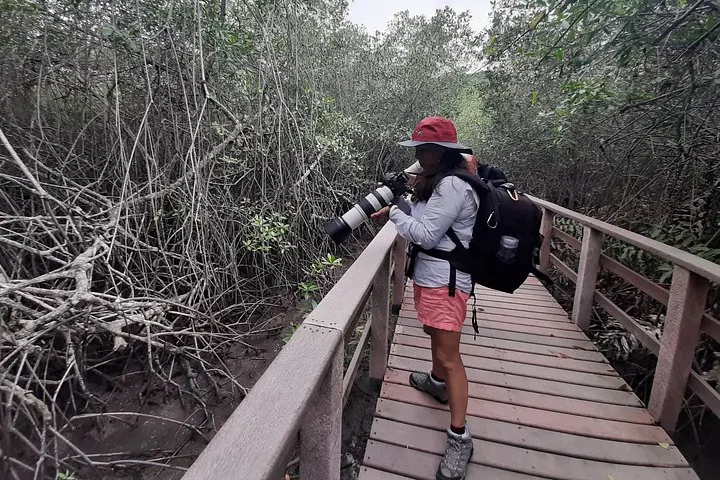
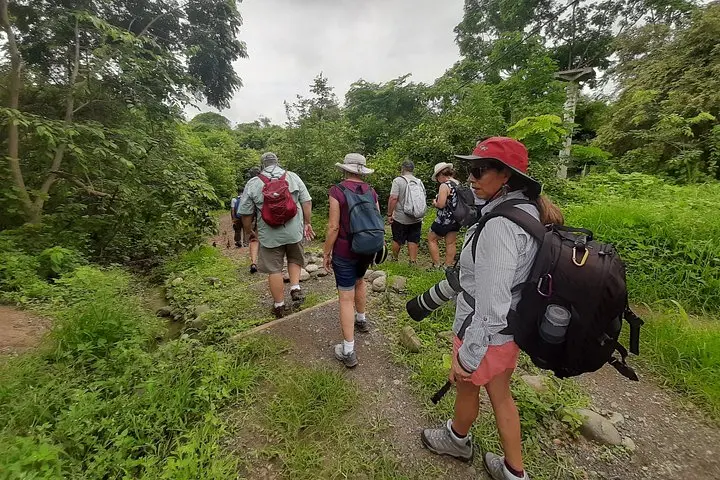
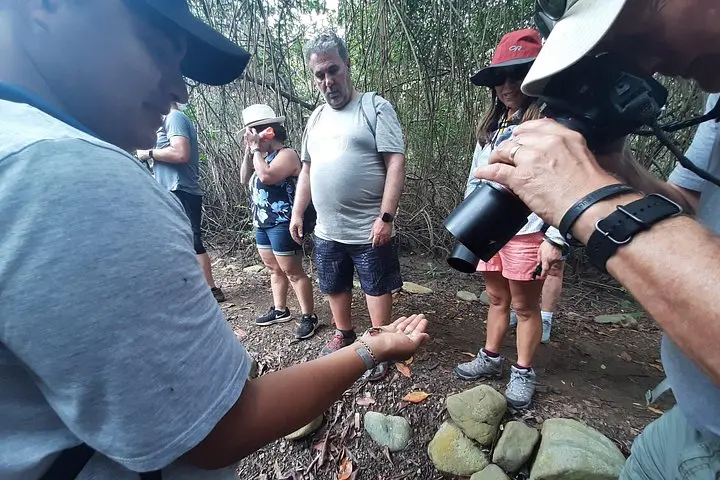
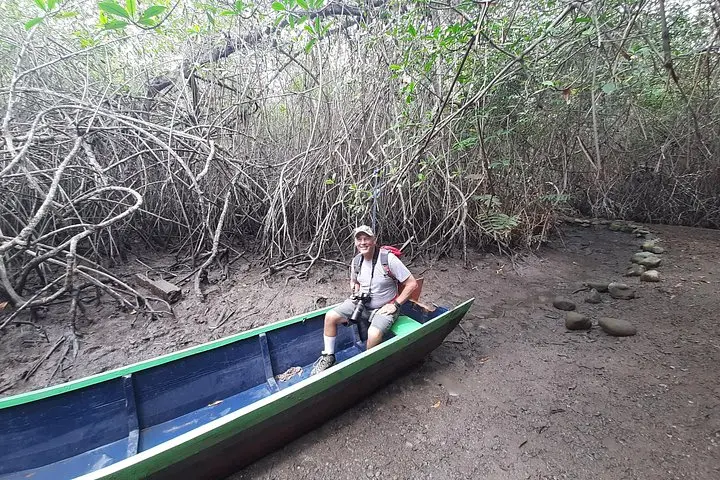
A slow river opens like a gate as the boat slips away from the dock and the mangrove roots begin to crowd the water. Salt-scented air and a chorus of squawks and insect hums set the pace; the guide points to a distant lagoon where the canclón, a shy wading bird, stalks the shallows. Walking mangroves press their roots into the tide, and the trail — a raised sendero — threads freshwater patches, ceibo trees and estuarine flats.
A slow river opens like a gate as the boat slips away from the dock and the mangrove roots begin to crowd the water. Salt-scented air and a chorus of squawks and insect hums set the pace; the guide points to a distant lagoon where the canclón, a shy wading bird, stalks the shallows. Walking mangroves press their roots into the tide, and the trail — a raised sendero — threads freshwater patches, ceibo trees and estuarine flats.
The Churute Ecological Reserve protects a rare meeting of ecosystems: red mangrove estuaries, freshwater lagoons and dry forest on uplifted terraces. Declared a Ramsar site in 1990, it preserves species that have vanished elsewhere on Ecuador’s coast, including the coastal crocodile in remnant pockets and several migratory waterbirds. The geology is young — low-lying alluvial plains carved by rivers and tides — while local communities maintain traditional fisheries and small-scale farms at the reserve’s margins.
Expect a full-day rhythm: an hour-plus transfer from Guayaquil, a calm boat passage where currents push and pull your attention, and guided walks along well-marked senderos with occasional boardwalks. Guides interpret bird calls, point out root adaptations, and explain conservation efforts. Practical notes: sun and mosquitoes don’t negotiate; bring repellent, layered sun protection, and shoes that can handle mud and boardwalks. Hydrate between sightings and time photography for the lagoon light — mornings and late afternoons are richest. The day balances easy walking with waterborne observation, offering close-up wildlife viewing without demanding technical skills.