THE ADVENTURE COLLECTIVE® · Independent discovery and booking for outdoor travel
Drive the Historic Columbia River Highway to viewpoints, columnar basalt walls, and the thunder of Multnomah Falls on this guided half-day tour from Portland. Scenic stops, short walks, and local history make it an accessible introduction to one of the Pacific Northwest’s most dramatic corridors.
Drive the Historic Columbia River Highway to viewpoints, columnar basalt walls, and the thunder of Multnomah Falls on this guided half-day tour from Portland. Scenic stops, short walks, and local history make it an accessible introduction to one of the Pacific Northwest’s most dramatic corridors.
You pull away from downtown Portland and the city’s hum shrinks behind you as the van eases onto the Historic Columbia River Highway. Through the window the river widens, the cliffs rise, and the road begins to cut a theatrical arc through basalt rims shaped by ancient lava. By the time the guide mentions the Vista House, the Gorge has already started to take charge of your attention—wind and water conspiring to make even a short drive feel like a pilgrimage.
Verified experiences and guided adventures in the surrounding area.
Operated by Wildwood Adventures · Portland, Oregon
You pull away from downtown Portland and the city’s hum shrinks behind you as the van eases onto the Historic Columbia River Highway. Through the window the river widens, the cliffs rise, and the road begins to cut a theatrical arc through basalt rims shaped by ancient lava. By the time the guide mentions the Vista House, the Gorge has already started to take charge of your attention—wind and water conspiring to make even a short drive feel like a pilgrimage.
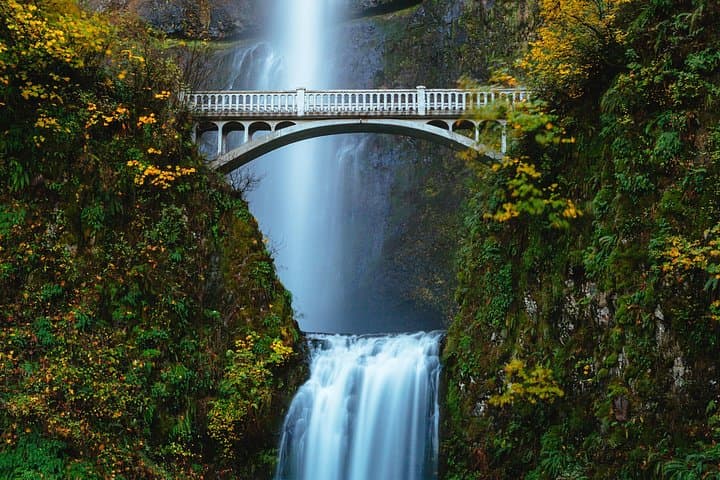
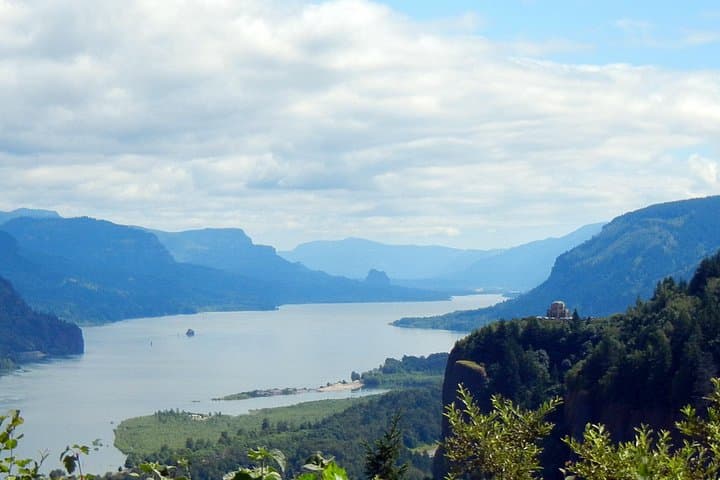
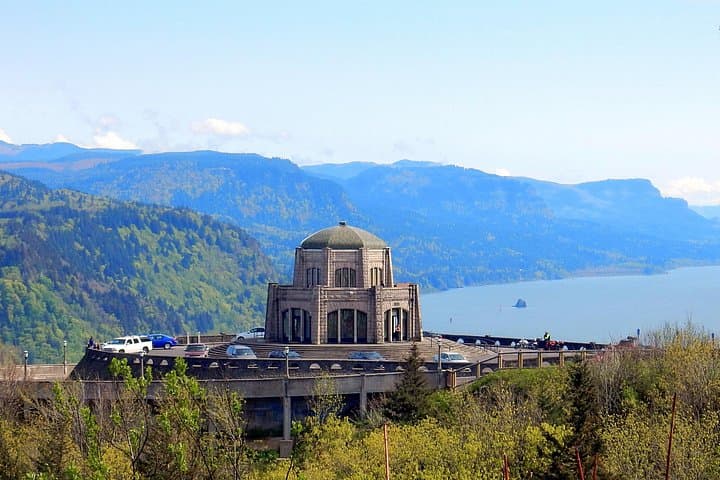
At Crown Point, the Vista House perches 733 feet above the Columbia, its stone and glass offering a 180-degree stage for the river’s broad sweep. Its cataloged history—completed in the early 20th century as a rest stop and observatory—remains legible in worn steps and interpretive exhibits. Further down the highway, basalt columns at Latourell Falls drop straight and clean, a cliff-face that reads like geological notation. Multnomah Falls, the tour’s centerpiece, announces itself with a roar; its 620-foot two-step descent is framed by Benson Bridge and the 1925 Cascadian-style lodge where people pause for a coffee and a long look.
The Gorge is more than scenery: it’s an ecological pocket where pocket prairies and ferny, wet forests meet, and where species like the Columbia River white oak and the American dipper make their homes. The road itself is a piece of history—the first planned scenic highway in the U.S.—built to move people through dramatic landscapes without bulldozing them flat. Today those same stretches host photographers, hikers, and conservation groups working to manage heavy visitation and protect fragile riparian areas.
This guided, four-hour tour balances viewpoint time with short walks—often a quarter-mile to a viewpoint—while a knowledgeable guide supplies geology, cultural context, and local stories. The pace is approachable: only light walking is required, but expect slick rock and variable microclimates. Timing matters—arrive in the morning or late afternoon for softer light and thinner crowds; winter and spring mean higher flows and more spray.
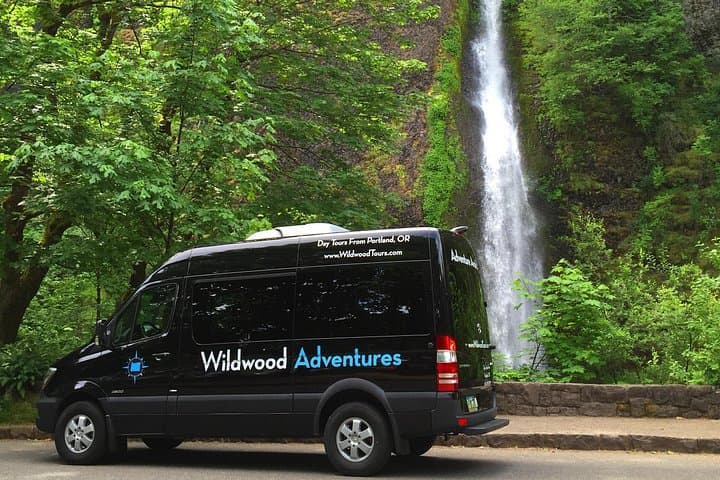
Practicalities are straightforward. Meet in Director Park in downtown Portland; the tour runs in an air-conditioned, high-roof passenger van with bottled water provided. Bring layered, water-resistant clothing, grippy footwear, and a camera with at least one protective cover. Respect trail closures and stay on designated paths—root systems and moss beds are fragile and recover slowly.
At the end of four hours you’re returned to the city with images of plunging water and basalt cliffs to unpack. Whether you’re a first-time visitor or a regional returner, the Gorge rewards attention: the air tastes different, the river dares you forward, and the viewpoints insist you slow down long enough to see what carved them.
The tour meets at Director Park in downtown Portland (SW 9th Ave and SW Taylor St.) and returns there at the end of the four-hour trip.
Walking is light—most stops include short 0.25-mile viewpoint walks; trails may include stairs and wet surfaces.
Yes; the itinerary is family-friendly and suitable for a wide range of ages and fitness levels, though participants should manage short walks and stairs.
Restrooms are available at major stops like Multnomah Falls (near the lodge); bring snacks or plan to purchase at the lodge during the stop.
Access varies by viewpoint—parking areas and some viewing platforms are accessible, but rocky trails and stairs limit access at certain stops.
Full refund if canceled at least 24 hours before the scheduled departure; tours may be canceled for bad weather or low bookings.
Wildwood Adventures operates guided outdoor trips and adventures with an emphasis on safety, stewardship, and memorable experiences.
You pull away from downtown Portland and the city’s hum shrinks behind you as the van eases onto the Historic Columbia River Highway. Through the window the river widens, the cliffs rise, and the road begins to cut a theatrical arc through basalt rims shaped by ancient lava. By the time the guide mentions the Vista House, the Gorge has already started to take charge of your attention—wind and water conspiring to make even a short drive feel like a pilgrimage.
You pull away from downtown Portland and the city’s hum shrinks behind you as the van eases onto the Historic Columbia River Highway. Through the window the river widens, the cliffs rise, and the road begins to cut a theatrical arc through basalt rims shaped by ancient lava. By the time the guide mentions the Vista House, the Gorge has already started to take charge of your attention—wind and water conspiring to make even a short drive feel like a pilgrimage.
At Crown Point, the Vista House perches 733 feet above the Columbia, its stone and glass offering a 180-degree stage for the river’s broad sweep. Its cataloged history—completed in the early 20th century as a rest stop and observatory—remains legible in worn steps and interpretive exhibits. Further down the highway, basalt columns at Latourell Falls drop straight and clean, a cliff-face that reads like geological notation. Multnomah Falls, the tour’s centerpiece, announces itself with a roar; its 620-foot two-step descent is framed by Benson Bridge and the 1925 Cascadian-style lodge where people pause for a coffee and a long look.
The Gorge is more than scenery: it’s an ecological pocket where pocket prairies and ferny, wet forests meet, and where species like the Columbia River white oak and the American dipper make their homes. The road itself is a piece of history—the first planned scenic highway in the U.S.—built to move people through dramatic landscapes without bulldozing them flat. Today those same stretches host photographers, hikers, and conservation groups working to manage heavy visitation and protect fragile riparian areas.
This guided, four-hour tour balances viewpoint time with short walks—often a quarter-mile to a viewpoint—while a knowledgeable guide supplies geology, cultural context, and local stories. The pace is approachable: only light walking is required, but expect slick rock and variable microclimates. Timing matters—arrive in the morning or late afternoon for softer light and thinner crowds; winter and spring mean higher flows and more spray.
Practicalities are straightforward. Meet in Director Park in downtown Portland; the tour runs in an air-conditioned, high-roof passenger van with bottled water provided. Bring layered, water-resistant clothing, grippy footwear, and a camera with at least one protective cover. Respect trail closures and stay on designated paths—root systems and moss beds are fragile and recover slowly.
At the end of four hours you’re returned to the city with images of plunging water and basalt cliffs to unpack. Whether you’re a first-time visitor or a regional returner, the Gorge rewards attention: the air tastes different, the river dares you forward, and the viewpoints insist you slow down long enough to see what carved them.
