THE ADVENTURE COLLECTIVE® · Independent discovery and booking for outdoor travel

Trace centuries in Elgin’s narrow closes on a guided walking tour that uncovers 1600s door carvings, surviving gas streetlight fixtures, and the town’s responses to historical epidemics. This easy 1–2 hour stroll mixes social history with intimate urban architecture.
Trace centuries in Elgin’s narrow closes on a guided walking tour that uncovers 1600s door carvings, surviving gas streetlight fixtures, and the town’s responses to historical epidemics. This easy 1–2 hour stroll mixes social history with intimate urban architecture.
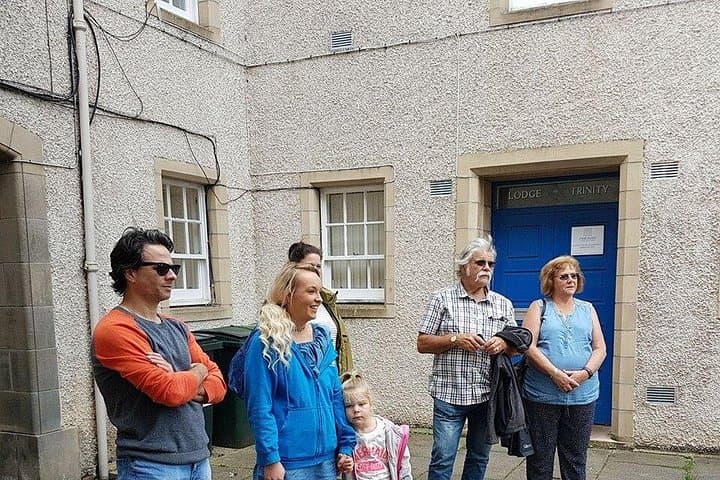
The walk begins where cobbles meet 19th-century shopfronts and the air carries the cool, persistent scent of river and stone. Narrow closes—alleyways cut between buildings—draw the group inward, their walls pressing close enough to hear the guide’s voice echo off worn lintels. Light falls in thin strips; the town’s quieter corners reveal carved dates, patched stone, and the slow work of weather on oak and iron.
Verified experiences and guided adventures in the surrounding area.
Operated by Elgin Ghost Tours · Elgin, Moray
The walk begins where cobbles meet 19th-century shopfronts and the air carries the cool, persistent scent of river and stone. Narrow closes—alleyways cut between buildings—draw the group inward, their walls pressing close enough to hear the guide’s voice echo off worn lintels. Light falls in thin strips; the town’s quieter corners reveal carved dates, patched stone, and the slow work of weather on oak and iron.
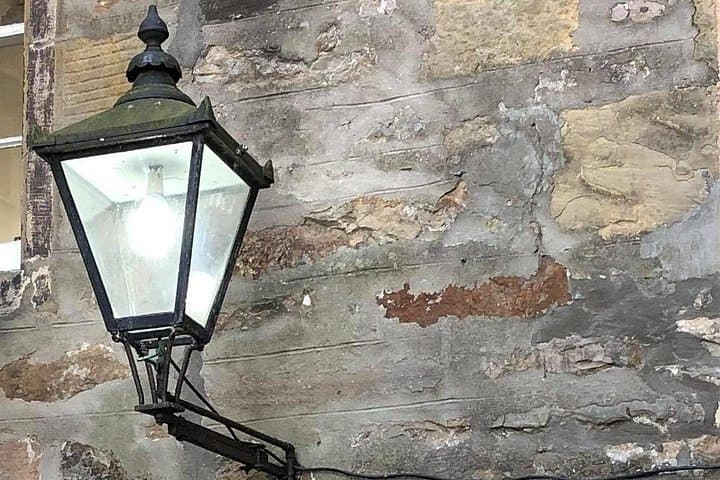
Elgin’s closes keep fingerprints from the 1600s: carved lintels, narrow stairways, and a surviving gas streetlight that flickers in memory. The town grew around the River Lossie and the medieval Elgin Cathedral, and its streets record economic shifts from cloth trade to market town. Guides explain how communities coped with epidemics—boarded doors, communal taps, and the social geography that concentrated both poverty and resilience. The geology is local sandstone, gray and soft, making detailed carving possible but also vulnerable to erosion; the alleyways channel rain and gossip alike.
Practically, expect an urban stroll rather than a hike: 1–2 hours on paved surfaces with occasional steps. Wear grippy shoes and a light rain layer; cobbles get slick. The tour suits most fitness levels and is wheelchair accessible where indicated, though some historic thresholds are narrow. Bring curiosity and a camera—details are small and best noticed slowly. Aim for morning light to see carved details clearly and quieter streets. Respect private doorways and keep voices low in residential sections: these closes are still living parts of town.
The guided walk runs about 1–2 hours, depending on pace and group questions.
Many parts are wheelchair accessible, but some historic thresholds and narrow sections may limit access—check with the operator for specifics.
Meet at a central point on Elgin High Street or the listed meeting location provided on booking confirmation—arrive 10 minutes early.
Full refunds are available if you cancel at least 24 hours before the scheduled start; tours may be canceled for bad weather with refund options.
Elgin Ghost Tours operates guided outdoor trips and adventures with an emphasis on safety, stewardship, and memorable experiences.

The walk begins where cobbles meet 19th-century shopfronts and the air carries the cool, persistent scent of river and stone. Narrow closes—alleyways cut between buildings—draw the group inward, their walls pressing close enough to hear the guide’s voice echo off worn lintels. Light falls in thin strips; the town’s quieter corners reveal carved dates, patched stone, and the slow work of weather on oak and iron.
The walk begins where cobbles meet 19th-century shopfronts and the air carries the cool, persistent scent of river and stone. Narrow closes—alleyways cut between buildings—draw the group inward, their walls pressing close enough to hear the guide’s voice echo off worn lintels. Light falls in thin strips; the town’s quieter corners reveal carved dates, patched stone, and the slow work of weather on oak and iron.
Elgin’s closes keep fingerprints from the 1600s: carved lintels, narrow stairways, and a surviving gas streetlight that flickers in memory. The town grew around the River Lossie and the medieval Elgin Cathedral, and its streets record economic shifts from cloth trade to market town. Guides explain how communities coped with epidemics—boarded doors, communal taps, and the social geography that concentrated both poverty and resilience. The geology is local sandstone, gray and soft, making detailed carving possible but also vulnerable to erosion; the alleyways channel rain and gossip alike.
Practically, expect an urban stroll rather than a hike: 1–2 hours on paved surfaces with occasional steps. Wear grippy shoes and a light rain layer; cobbles get slick. The tour suits most fitness levels and is wheelchair accessible where indicated, though some historic thresholds are narrow. Bring curiosity and a camera—details are small and best noticed slowly. Aim for morning light to see carved details clearly and quieter streets. Respect private doorways and keep voices low in residential sections: these closes are still living parts of town.