THE ADVENTURE COLLECTIVE® · Independent discovery and booking for outdoor travel

Travel from Xiamen’s harbor to the fortified earth towers of Fujian on a private, three-day route that pairs Hakka tulou villages with Xiamen’s island gardens and coastal temples. Expect short hikes on uneven surfaces, ferry crossings to Gulangyu, and immersive cultural stops.
Travel from Xiamen’s harbor to the fortified earth towers of Fujian on a private, three-day route that pairs Hakka tulou villages with Xiamen’s island gardens and coastal temples. Expect short hikes on uneven surfaces, ferry crossings to Gulangyu, and immersive cultural stops.
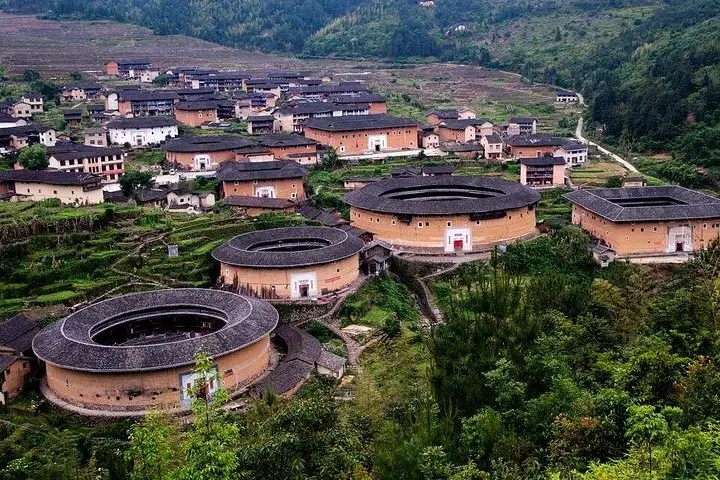
Morning light hits Xiamen’s harbor and the city exhales salt and trade-worn stories as your private car rolls away toward the mountains. Over two to three hours of coastal road and then rural highway, the landscape changes from seaside palms to terraced fields and the squat, earthen silhouettes of Hakka tulou—circular and square communal towers that rise like villages compacted into a single building.
Verified experiences and guided adventures in the surrounding area.
Operated by happychinatours · Xiamen, Fujian
Morning light hits Xiamen’s harbor and the city exhales salt and trade-worn stories as your private car rolls away toward the mountains. Over two to three hours of coastal road and then rural highway, the landscape changes from seaside palms to terraced fields and the squat, earthen silhouettes of Hakka tulou—circular and square communal towers that rise like villages compacted into a single building.
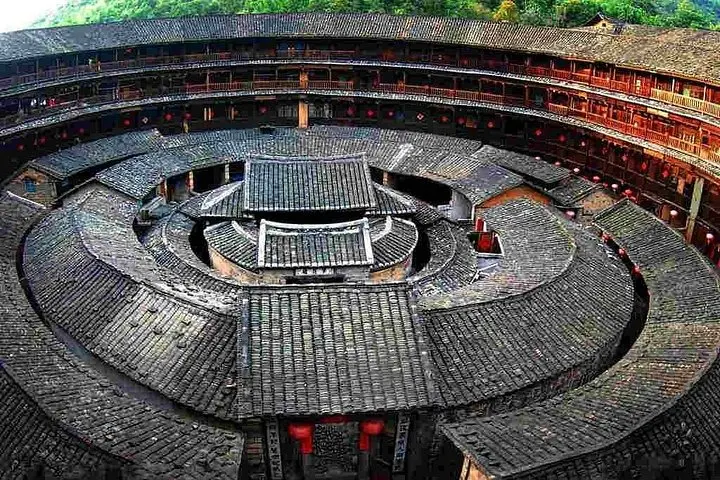
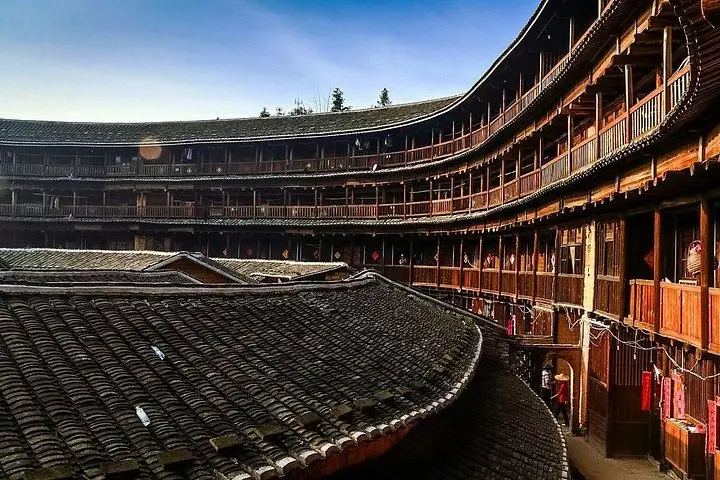
These tulou were built between the 12th and 20th centuries by Hakka communities as defensible, heat-retaining communal homes; the Tianluokeng cluster and Yongding’s Hongkeng villages show variations in scale and ornamentation, from the four round buildings surrounding a square tower at Tianluokeng to the ornate Prince of Earthen Building in Hongkeng. Geology matters here: local red clay and rammed-earth techniques produced thick walls that buffer humidity and hold warmth.
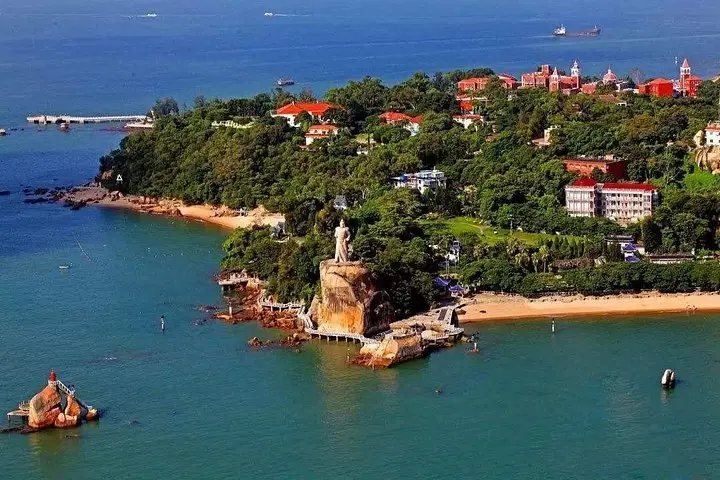
Gulangyu Island brings a different lesson in history—Victorian-era villas, piano salons and sea-facing gardens reveal Xiamen’s treaty-port past and maritime trade links across the South China Sea. South Putuo Temple and Hulishan Battery bookend the itinerary with religious and military chapters of regional history.
Practical guidance: expect light walking on uneven stone floors, staircases inside tulou, and short ferry transfers; comfortable walking shoes and a rain layer are recommended year-round. Plan mornings for cooler light and quieter temples, and leave space in your schedule for market snacks—yam pancakes and local Hakka dishes are both earthy and filling. The tour’s private transport and guide make it accessible to most fitness levels, but bring cash for smaller village stalls and modest admission surcharges.
Expect roughly 2–2.5 hours to Nanjing/Tianluokeng and about 2–3 hours between Yongding and Xiamen depending on traffic.
Yes—many tulou allow interior visits and guided access to public courtyards, though private rooms remain occupied; there are stairs and narrow corridors to navigate.
The itinerary includes a short ferry transfer to Gulangyu of about 7–10 minutes; timings depend on the harbor schedule.
The tour note says stroller-accessible in general, but some village lanes and tulou interiors have steps that may make stroller use difficult; infant seats are available in the vehicle.
happychinatours operates guided outdoor trips and adventures with an emphasis on safety, stewardship, and memorable experiences.
Morning light hits Xiamen’s harbor and the city exhales salt and trade-worn stories as your private car rolls away toward the mountains. Over two to three hours of coastal road and then rural highway, the landscape changes from seaside palms to terraced fields and the squat, earthen silhouettes of Hakka tulou—circular and square communal towers that rise like villages compacted into a single building.
Morning light hits Xiamen’s harbor and the city exhales salt and trade-worn stories as your private car rolls away toward the mountains. Over two to three hours of coastal road and then rural highway, the landscape changes from seaside palms to terraced fields and the squat, earthen silhouettes of Hakka tulou—circular and square communal towers that rise like villages compacted into a single building.
These tulou were built between the 12th and 20th centuries by Hakka communities as defensible, heat-retaining communal homes; the Tianluokeng cluster and Yongding’s Hongkeng villages show variations in scale and ornamentation, from the four round buildings surrounding a square tower at Tianluokeng to the ornate Prince of Earthen Building in Hongkeng. Geology matters here: local red clay and rammed-earth techniques produced thick walls that buffer humidity and hold warmth.
Gulangyu Island brings a different lesson in history—Victorian-era villas, piano salons and sea-facing gardens reveal Xiamen’s treaty-port past and maritime trade links across the South China Sea. South Putuo Temple and Hulishan Battery bookend the itinerary with religious and military chapters of regional history.
Practical guidance: expect light walking on uneven stone floors, staircases inside tulou, and short ferry transfers; comfortable walking shoes and a rain layer are recommended year-round. Plan mornings for cooler light and quieter temples, and leave space in your schedule for market snacks—yam pancakes and local Hakka dishes are both earthy and filling. The tour’s private transport and guide make it accessible to most fitness levels, but bring cash for smaller village stalls and modest admission surcharges.