THE ADVENTURE COLLECTIVE® · Independent discovery and booking for outdoor travel
A two-day loop from Harare that pairs the vast, dry-stone ruins of Great Zimbabwe with game viewing at Lake Kyle. Expect centuries-old architecture, short hikes on uneven stone, and close encounters with rhino and hippo at the lake.
A two-day loop from Harare that pairs the vast, dry-stone ruins of Great Zimbabwe with game viewing at Lake Kyle. Expect centuries-old architecture, short hikes on uneven stone, and close encounters with rhino and hippo at the lake.
Morning light thins over the Harare skyline as the road south unspools—red dust, acacia silhouettes and the long, steady hum of an air-conditioned minibus. By midday the land changes: low granite outcrops rise and the stone walls of Great Zimbabwe appear like a man-made ridge, weathered and resolute against a wide sky.
Verified experiences and guided adventures in the surrounding area.
Operated by Bonisa Excursions · Masvingo, Masvingo
Morning light thins over the Harare skyline as the road south unspools—red dust, acacia silhouettes and the long, steady hum of an air-conditioned minibus. By midday the land changes: low granite outcrops rise and the stone walls of Great Zimbabwe appear like a man-made ridge, weathered and resolute against a wide sky.
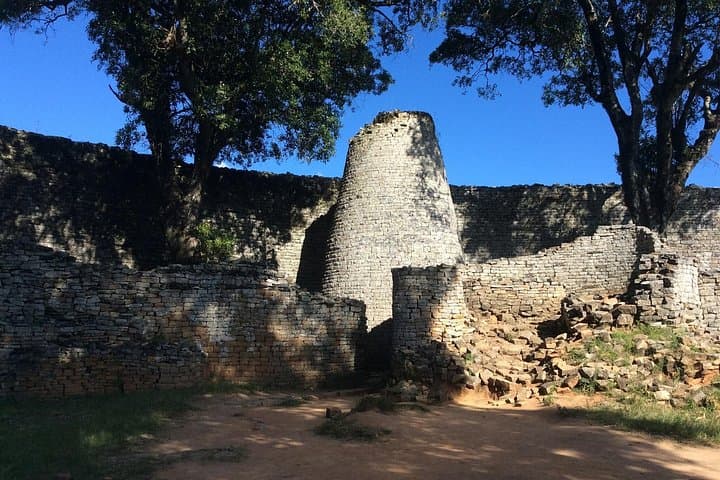
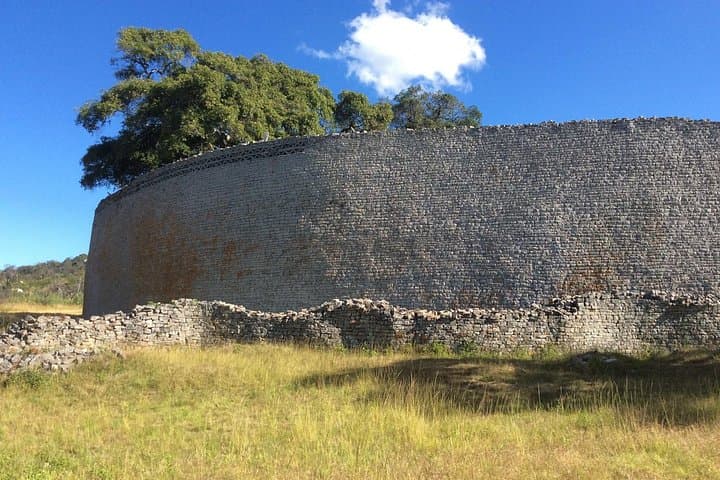
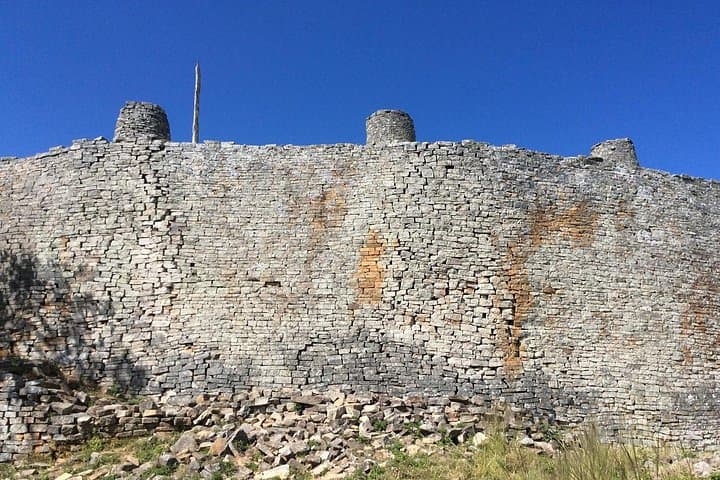
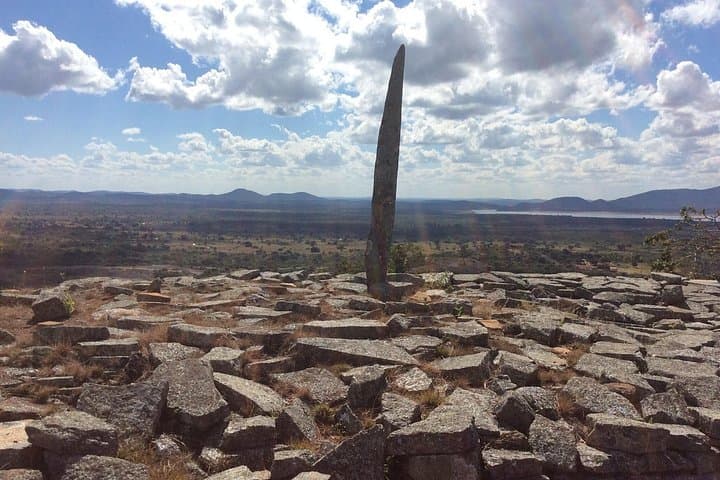
Great Zimbabwe was the political and commercial heart of a prosperous Shona state between roughly the 11th and 15th centuries. The site’s dry-stone architecture—carefully fitted granite blocks without mortar—marks one of sub‑Saharan Africa’s largest precolonial urban centers. Geologically, the ruins sit on resistant granite that supplies the very blocks used to build the Hill Complex and the Great Enclosure; culturally, the complex connects to centuries of Shona craft, cattle economy and long-distance trade across the Indian Ocean.
The second day shifts tone: Lake Kyle (Mutirikwi) opens into flat, scrubby plains where rhino, buffalo and hippo draw their own timeless routes. A small museum and a crocodile farm add context to the wildlife viewing, while low roads and lookout points give excellent birding opportunities.
Practically: the round-trip from Harare is about 290 km and ~4–5 hours each way; expect 2–3 km of walking across uneven stone surfaces with some steep steps to reach viewpoints. Park entry and most transport are included on standard tours. Wear sturdy shoes, carry sun protection and 2–3 liters of water, and allow time for slow photography—stonework rewards a careful eye. Visits support conservation and local communities; move deliberately, leave no trace, and plan for early starts to avoid midday heat.
Yes—standard tour pricing typically includes park entry fees for Great Zimbabwe and Lake Kyle as listed in the itinerary.
Expect about 4–5 hours each way for the Harare–Masvingo drive (roughly 290 km), depending on traffic and stops.
Great Zimbabwe has uneven stone paths and steps; it’s not fully accessible and is not recommended for travelers with significant mobility or spinal issues.
The tour offers overnight sharing at local hotels such as Clever’s Resort or the Great Zimbabwe Hotel; confirm whether single rooms or upgrades are available when booking.
Bonisa Excursions operates guided outdoor trips and adventures with an emphasis on safety, stewardship, and memorable experiences.
Morning light thins over the Harare skyline as the road south unspools—red dust, acacia silhouettes and the long, steady hum of an air-conditioned minibus. By midday the land changes: low granite outcrops rise and the stone walls of Great Zimbabwe appear like a man-made ridge, weathered and resolute against a wide sky.
Morning light thins over the Harare skyline as the road south unspools—red dust, acacia silhouettes and the long, steady hum of an air-conditioned minibus. By midday the land changes: low granite outcrops rise and the stone walls of Great Zimbabwe appear like a man-made ridge, weathered and resolute against a wide sky.
Great Zimbabwe was the political and commercial heart of a prosperous Shona state between roughly the 11th and 15th centuries. The site’s dry-stone architecture—carefully fitted granite blocks without mortar—marks one of sub‑Saharan Africa’s largest precolonial urban centers. Geologically, the ruins sit on resistant granite that supplies the very blocks used to build the Hill Complex and the Great Enclosure; culturally, the complex connects to centuries of Shona craft, cattle economy and long-distance trade across the Indian Ocean.
The second day shifts tone: Lake Kyle (Mutirikwi) opens into flat, scrubby plains where rhino, buffalo and hippo draw their own timeless routes. A small museum and a crocodile farm add context to the wildlife viewing, while low roads and lookout points give excellent birding opportunities.
Practically: the round-trip from Harare is about 290 km and ~4–5 hours each way; expect 2–3 km of walking across uneven stone surfaces with some steep steps to reach viewpoints. Park entry and most transport are included on standard tours. Wear sturdy shoes, carry sun protection and 2–3 liters of water, and allow time for slow photography—stonework rewards a careful eye. Visits support conservation and local communities; move deliberately, leave no trace, and plan for early starts to avoid midday heat.
