THE ADVENTURE COLLECTIVE® · Independent discovery and booking for outdoor travel

Discover the unique landscapes and cultural riches of Jeju Island through a customizable private tour. Choose routes across the East, West, or South to explore volcanic cliffs, beaches, folk villages, and iconic heritage sites at your own pace.
Discover the unique landscapes and cultural riches of Jeju Island through a customizable private tour. Choose routes across the East, West, or South to explore volcanic cliffs, beaches, folk villages, and iconic heritage sites at your own pace.
Jeju Island’s diverse landscapes invite travelers to explore paths where the restless sea meets volcanic cliffs and serene cultural sites. This private tour offers tailored routes across the island’s East, West, and South regions—each revealing distinct rhythms of nature and heritage.
Verified experiences and guided adventures in the surrounding area.
Operated by Carzenplus · Seogwipo, Jeju
Jeju Island’s diverse landscapes invite travelers to explore paths where the restless sea meets volcanic cliffs and serene cultural sites. This private tour offers tailored routes across the island’s East, West, and South regions—each revealing distinct rhythms of nature and heritage.
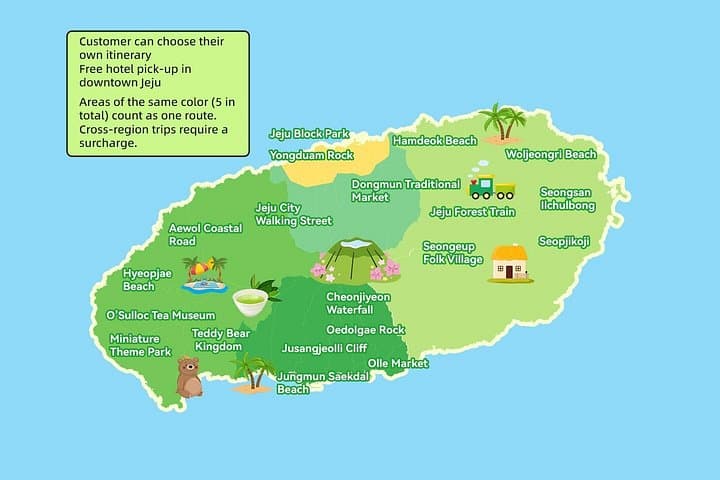
Begin your itinerary on the South Route, where the alive colors of the Alive Museum engage a playful curiosity, and the Teddy Bear Museum showcases whimsical artistry. Moving toward the Jusangjeolli Cliff, volcanic pillars rise like ancient guardians, cooled lava frozen in time at the water’s edge. Nearby, Oedolgae Rock thrusts boldly into the sea, daring the waves that circle its jagged base. From there, Cheonjiyeon Waterfall pours quietly into a shaded pool, a natural stage cloaked by native flora. The Newlyweds Bridge and scenic beaches anchor the route’s final stretches with local charm.
The East Route unfolds around Jeju’s cultural heart. At the Jeju Folk Village, tradition weaves through thatched roofs and aged stone walls. The soft sands of Hamdeok and Woljeongri Beaches invite slow breaths, while Udo Island offers a quiet counterpoint across sparkling waters. Seongsan Ilchulbong Peak, a UNESCO World Heritage site, provides an iconic volcanic crater viewpoint; its name, meaning ‘Sunrise Peak,’ recalls mornings when the sun pushes its first golden edges above the horizon, dyeing the ocean red. Along the coast, the Seopjikoji promontory reveals black volcanic rocks and red soil merging into sweeping seascapes.
The West Route highlights a blend of natural and quirky cultural stops. The Aewol Coastal Road traces a scenic ribbon of coastline, leading to the pale sands and clean waters of Hyeopjae Beach. The O’Sulloc Tea Museum offers insights into Korea’s green tea history amid rolling plantations, while nearby Camellia Hill invites a stroll through floral artistry. On the way, Yongduam Coast’s dragon-head rock formation confronts the sea with carved intent, and fans of playful design can step into Hello Kitty Island or Pororo Theme Park for a lighthearted pause.
Practically, these private tours run about nine hours with an experienced driver steering through Jeju’s varying terrain and traffic. Comfortable footwear is advised for short walks between stops. To maximize the experience, travelers should hydrate regularly, wear layered clothing for shifting coastal winds, and bring a camera for early morning light at Seongsan Ilchulbong and sunset along the West Coast. Advance ticket purchases for certain sites like Cheonjiyeon Falls and Daepo Columnar Joints ensure smoother access.
Jeju’s volcanic origins linger in its jagged cliffs and quiet crater lakes, while cultural echoes from Jeju Folk Village speak of island life shaped by sea and stone. This customized private tour is not only a practical, efficient way to experience the island but also a chance to feel its elemental pulse—where the earth dares and the ocean whispers.
No, most sites like the Alive Museum and Cheonjiyeon Waterfall require separate tickets that guests should purchase in advance.
Yes, the itinerary is flexible and driven by private transport, but some walking and uneven terrain might be challenging for those with limited mobility.
Absolutely; the private nature of the tour allows selecting preferred routes—East, West, or South—and adjusting stops accordingly.
Drivers are experienced and usually speak basic English, but tours typically do not include a dedicated guide unless arranged separately.
Yes, the service offers hotel pickups across Jeju City and Seogwipo, arranged based on your accommodation location.
Spring and fall offer mild weather with fewer crowds; summer is popular but can be hot and humid, while winter is cooler but less crowded.
Carzenplus operates guided outdoor trips and adventures with an emphasis on safety, stewardship, and memorable experiences.
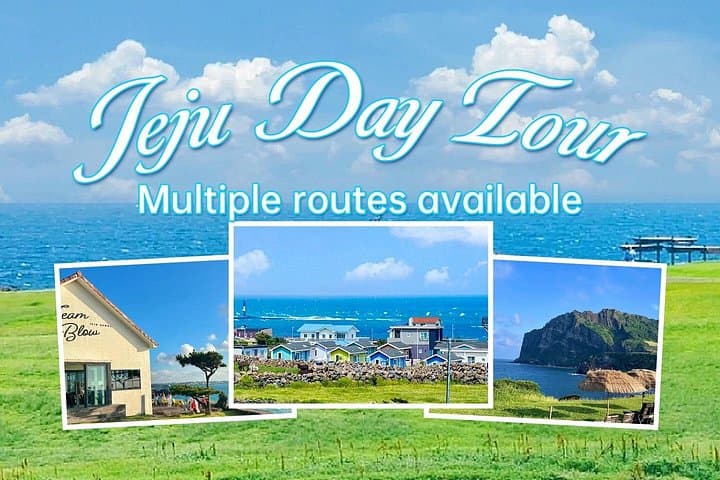


Jeju Island’s diverse landscapes invite travelers to explore paths where the restless sea meets volcanic cliffs and serene cultural sites. This private tour offers tailored routes across the island’s East, West, and South regions—each revealing distinct rhythms of nature and heritage.
Jeju Island’s diverse landscapes invite travelers to explore paths where the restless sea meets volcanic cliffs and serene cultural sites. This private tour offers tailored routes across the island’s East, West, and South regions—each revealing distinct rhythms of nature and heritage.
Begin your itinerary on the South Route, where the alive colors of the Alive Museum engage a playful curiosity, and the Teddy Bear Museum showcases whimsical artistry. Moving toward the Jusangjeolli Cliff, volcanic pillars rise like ancient guardians, cooled lava frozen in time at the water’s edge. Nearby, Oedolgae Rock thrusts boldly into the sea, daring the waves that circle its jagged base. From there, Cheonjiyeon Waterfall pours quietly into a shaded pool, a natural stage cloaked by native flora. The Newlyweds Bridge and scenic beaches anchor the route’s final stretches with local charm.
The East Route unfolds around Jeju’s cultural heart. At the Jeju Folk Village, tradition weaves through thatched roofs and aged stone walls. The soft sands of Hamdeok and Woljeongri Beaches invite slow breaths, while Udo Island offers a quiet counterpoint across sparkling waters. Seongsan Ilchulbong Peak, a UNESCO World Heritage site, provides an iconic volcanic crater viewpoint; its name, meaning ‘Sunrise Peak,’ recalls mornings when the sun pushes its first golden edges above the horizon, dyeing the ocean red. Along the coast, the Seopjikoji promontory reveals black volcanic rocks and red soil merging into sweeping seascapes.
The West Route highlights a blend of natural and quirky cultural stops. The Aewol Coastal Road traces a scenic ribbon of coastline, leading to the pale sands and clean waters of Hyeopjae Beach. The O’Sulloc Tea Museum offers insights into Korea’s green tea history amid rolling plantations, while nearby Camellia Hill invites a stroll through floral artistry. On the way, Yongduam Coast’s dragon-head rock formation confronts the sea with carved intent, and fans of playful design can step into Hello Kitty Island or Pororo Theme Park for a lighthearted pause.
Practically, these private tours run about nine hours with an experienced driver steering through Jeju’s varying terrain and traffic. Comfortable footwear is advised for short walks between stops. To maximize the experience, travelers should hydrate regularly, wear layered clothing for shifting coastal winds, and bring a camera for early morning light at Seongsan Ilchulbong and sunset along the West Coast. Advance ticket purchases for certain sites like Cheonjiyeon Falls and Daepo Columnar Joints ensure smoother access.
Jeju’s volcanic origins linger in its jagged cliffs and quiet crater lakes, while cultural echoes from Jeju Folk Village speak of island life shaped by sea and stone. This customized private tour is not only a practical, efficient way to experience the island but also a chance to feel its elemental pulse—where the earth dares and the ocean whispers.