THE ADVENTURE COLLECTIVE® · Independent discovery and booking for outdoor travel

Walk the French Quarter with a local guide and discover how Jewish New Orleanians shaped commerce, music, and preservation. This two-hour route threads riverfront memorials, hidden doorways, and jazz landmarks with practical on-the-ground context.
Walk the French Quarter with a local guide and discover how Jewish New Orleanians shaped commerce, music, and preservation. This two-hour route threads riverfront memorials, hidden doorways, and jazz landmarks with practical on-the-ground context.
You step out of Canal Place into the humid air that smells faintly of riverwater and frying beignets, and the French Quarter opens like a living map. Cobblestones underfoot, ornate ironwork above, and the Mississippi daring you with its broad current to follow the city's story.
Verified experiences and guided adventures in the surrounding area.
Operated by NOLA Tours · New Orleans, Louisiana
You step out of Canal Place into the humid air that smells faintly of riverwater and frying beignets, and the French Quarter opens like a living map. Cobblestones underfoot, ornate ironwork above, and the Mississippi daring you with its broad current to follow the city's story.
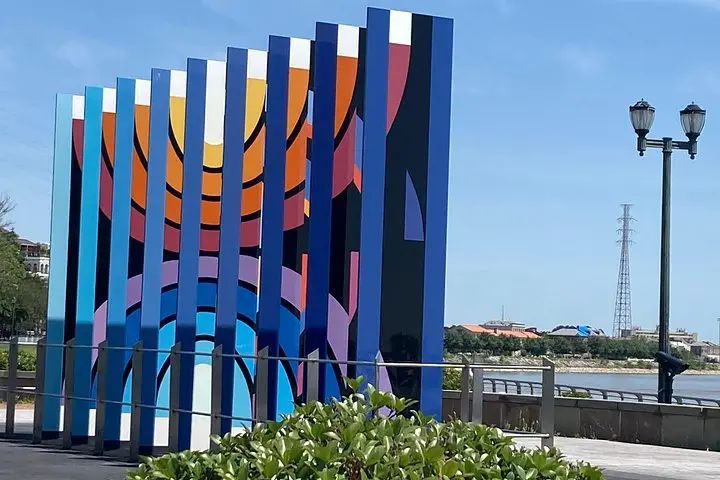
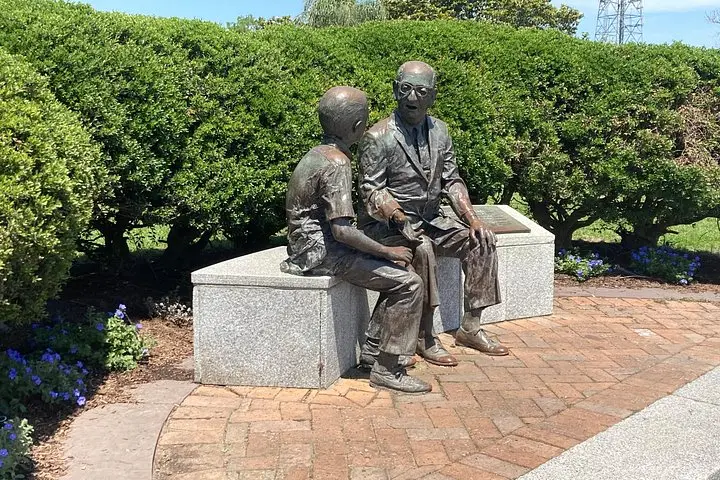
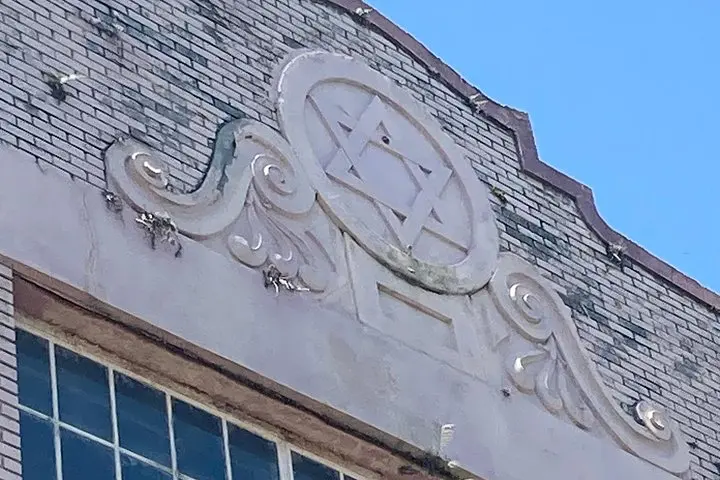
This two-hour walk tracks more than buildings: it traces a people. Jews have been part of New Orleans since colonial times, arriving under Spanish and French rule, surviving the pressures of a Catholic colony, and later shaping commerce, preservation, and music. The route passes Woldenberg Park and its Holocaust Memorial, quiet storefronts once owned by immigrant merchants, Pirates Alley, and the façades of jazz halls where Jewish preservationists helped keep music alive.
Geology and geography matter here — the city’s rise and subsidence, its proximity to the river, and the raised streets of the old city influenced where communities settled and how commerce flowed. Culturally, the tour highlights culinary and civic contributions: bakeries, garment businesses, and the hands that helped build New Orleans’ civic institutions.
Practical guidance: plan for roughly 1.5–2 miles of slow walking on flat but uneven pavement; allow two hours. Wear supportive shoes, carry water, and expect sun and sudden rain. Guides are licensed and local; small-group size keeps questions easy and stops conversational. The route is stroller-friendly and accessible by public transit, but book ahead—this popular themed walk fills up, and cancellations require 24 hours for a full refund.
The tour meets outside PJ's Coffee at Canal Place Mall (333 Canal Street) and finishes nearby in the French Quarter — both meeting and end points are within a short walk of public transit.
The walk is stroller-accessible; service animals are allowed but general pets are not specified. Check with the operator for specific concerns.
This tour focuses on outdoor sites and stories; no paid admissions are required for the listed stops.
Full refunds are available if you cancel at least 24 hours before departure; tours may be canceled for bad weather.
NOLA Tours operates guided outdoor trips and adventures with an emphasis on safety, stewardship, and memorable experiences.

You step out of Canal Place into the humid air that smells faintly of riverwater and frying beignets, and the French Quarter opens like a living map. Cobblestones underfoot, ornate ironwork above, and the Mississippi daring you with its broad current to follow the city's story.
You step out of Canal Place into the humid air that smells faintly of riverwater and frying beignets, and the French Quarter opens like a living map. Cobblestones underfoot, ornate ironwork above, and the Mississippi daring you with its broad current to follow the city's story.
This two-hour walk tracks more than buildings: it traces a people. Jews have been part of New Orleans since colonial times, arriving under Spanish and French rule, surviving the pressures of a Catholic colony, and later shaping commerce, preservation, and music. The route passes Woldenberg Park and its Holocaust Memorial, quiet storefronts once owned by immigrant merchants, Pirates Alley, and the façades of jazz halls where Jewish preservationists helped keep music alive.
Geology and geography matter here — the city’s rise and subsidence, its proximity to the river, and the raised streets of the old city influenced where communities settled and how commerce flowed. Culturally, the tour highlights culinary and civic contributions: bakeries, garment businesses, and the hands that helped build New Orleans’ civic institutions.
Practical guidance: plan for roughly 1.5–2 miles of slow walking on flat but uneven pavement; allow two hours. Wear supportive shoes, carry water, and expect sun and sudden rain. Guides are licensed and local; small-group size keeps questions easy and stops conversational. The route is stroller-friendly and accessible by public transit, but book ahead—this popular themed walk fills up, and cancellations require 24 hours for a full refund.