THE ADVENTURE COLLECTIVE® · Independent discovery and booking for outdoor travel

Glide through a flooded forest and visit a stilted fishing village on this half‑day boat tour from Siem Reap. Experience the seasonal pulse of Tonle Sap and local fishing culture while navigating narrow channels and stilted walkways.
Glide through a flooded forest and visit a stilted fishing village on this half‑day boat tour from Siem Reap. Experience the seasonal pulse of Tonle Sap and local fishing culture while navigating narrow channels and stilted walkways.
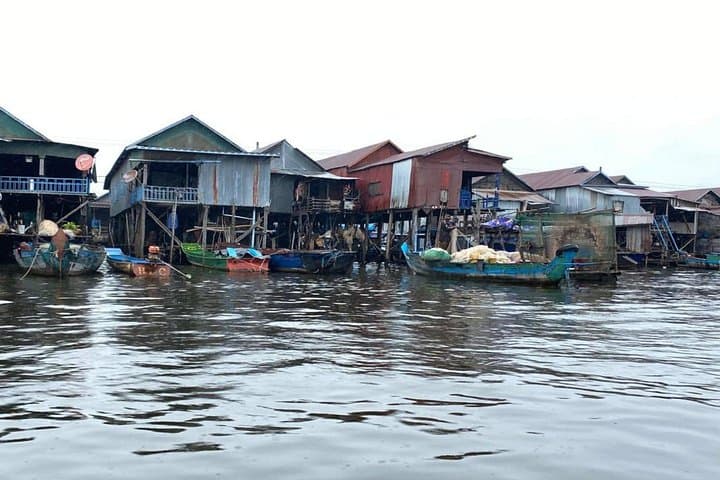
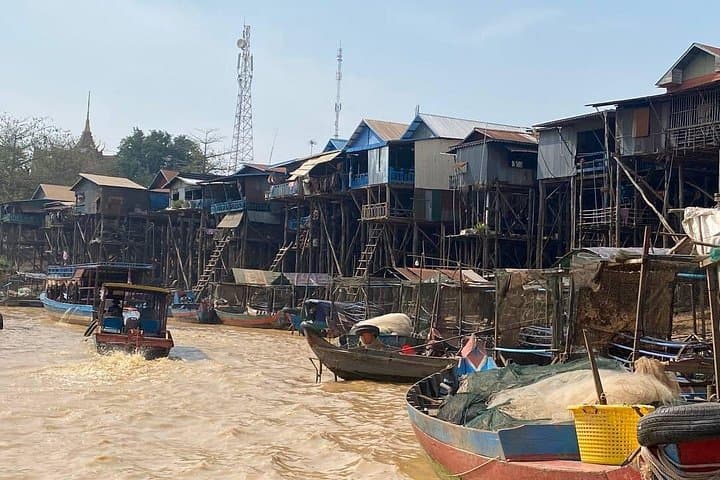
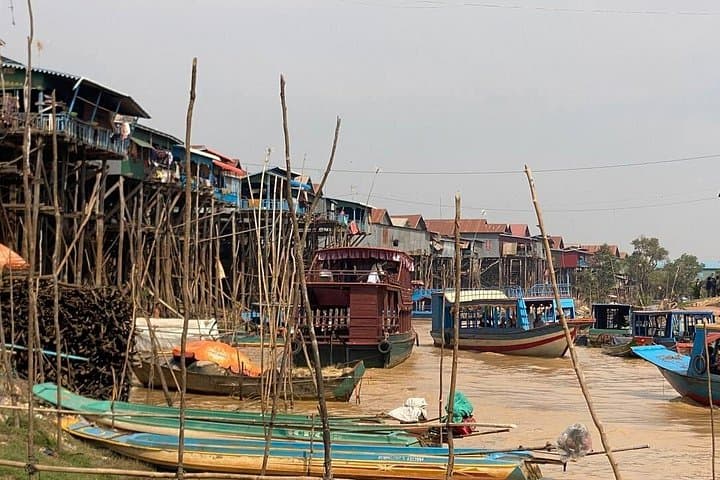
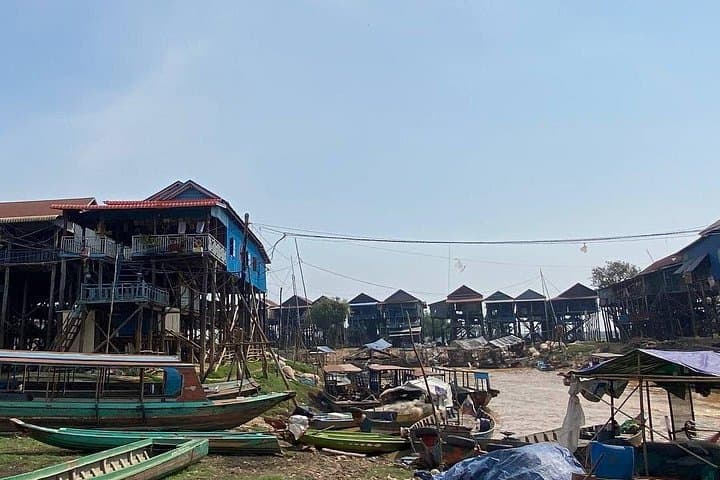
The morning light catches on stilts and shallow water as a slim boat slips from the jetty — the village rises on poles, houses and walkways threaded above the lake like a human-made delta. Trees stand with their roots in water; the lake’s seasonal pulse gives the place motion, and the boat becomes the only sensible path.
Verified experiences and guided adventures in the surrounding area.
Operated by Angkor Daily Trip · Siem Reap, Siem Reap Province
The morning light catches on stilts and shallow water as a slim boat slips from the jetty — the village rises on poles, houses and walkways threaded above the lake like a human-made delta. Trees stand with their roots in water; the lake’s seasonal pulse gives the place motion, and the boat becomes the only sensible path.
Kampong Phluk sits on the eastern edge of the Tonle Sap system, an ecosystem shaped by the Mekong’s annual flood pulse. What looks like a mangrove is actually a flooded forest of water‑tolerant trees and sediment-rich soils, sculpted by years of rising and falling waters. The community here has adapted to that rhythm: high stilts, floating platforms, and livelihoods based on shrimp and freshwater fish. A stop at the nearby Rolous Market adds a practical glimpse of foodways and trade that sustain the village.
On this half-day outing travelers should expect about 2–3 hours aboard a small motorized wooden boat, threading narrow channels and wider expanses of lake — roughly 6–10 km of water travel in total. There’s minimal walking and no elevation gain, but boarding can be uneven; the guide provides local context and points out birds, monitor lizards, and fishing gear.
Practical: visit between November and April for lower water and easier village access; July–February brings the full flooded-forest look. Bring sun protection, insect repellent, a small waterproof bag for electronics, and cash for market purchases. Respect private homes, keep noise low, and stay in the boat unless invited ashore; the tour is an easy cultural-ecological introduction to life on Tonle Sap.
Yes — the tour is family-friendly, but supervise children when boarding and on village walkways; infants may need to sit on laps.
The flooded-forest peak runs roughly July through February; the most dramatic water levels are in the wet season, while November–February offers comfortable temperatures.
Basic facilities are available at some village points and markets, but expect simple conditions; plan accordingly before departure.
Tipping is customary and appreciated; a small cash tip split between guide and boat operator is common practice.
Angkor Daily Trip operates guided outdoor trips and adventures with an emphasis on safety, stewardship, and memorable experiences.
The morning light catches on stilts and shallow water as a slim boat slips from the jetty — the village rises on poles, houses and walkways threaded above the lake like a human-made delta. Trees stand with their roots in water; the lake’s seasonal pulse gives the place motion, and the boat becomes the only sensible path.
The morning light catches on stilts and shallow water as a slim boat slips from the jetty — the village rises on poles, houses and walkways threaded above the lake like a human-made delta. Trees stand with their roots in water; the lake’s seasonal pulse gives the place motion, and the boat becomes the only sensible path.
Kampong Phluk sits on the eastern edge of the Tonle Sap system, an ecosystem shaped by the Mekong’s annual flood pulse. What looks like a mangrove is actually a flooded forest of water‑tolerant trees and sediment-rich soils, sculpted by years of rising and falling waters. The community here has adapted to that rhythm: high stilts, floating platforms, and livelihoods based on shrimp and freshwater fish. A stop at the nearby Rolous Market adds a practical glimpse of foodways and trade that sustain the village.
On this half-day outing travelers should expect about 2–3 hours aboard a small motorized wooden boat, threading narrow channels and wider expanses of lake — roughly 6–10 km of water travel in total. There’s minimal walking and no elevation gain, but boarding can be uneven; the guide provides local context and points out birds, monitor lizards, and fishing gear.
Practical: visit between November and April for lower water and easier village access; July–February brings the full flooded-forest look. Bring sun protection, insect repellent, a small waterproof bag for electronics, and cash for market purchases. Respect private homes, keep noise low, and stay in the boat unless invited ashore; the tour is an easy cultural-ecological introduction to life on Tonle Sap.