
Exploring Kathmandu's UNESCO Sites: Bhaktapur, Pashupati & Swyambhunath Day Tour
A full‑day private tour through Bhaktapur’s medieval squares, the sacred banks of Pashupatinath, and the stupa terraces of Swayambhunath. Expect 6–7 hours of walking, cultural insight, and close-up views of Kathmandu’s living heritage.
An Adventure In Kathmandu.
A full‑day private tour through Bhaktapur’s medieval squares, the sacred banks of Pashupatinath, and the stupa terraces of Swayambhunath. Expect 6–7 hours of walking, cultural insight, and close-up views of Kathmandu’s living heritage.
Read the full experience
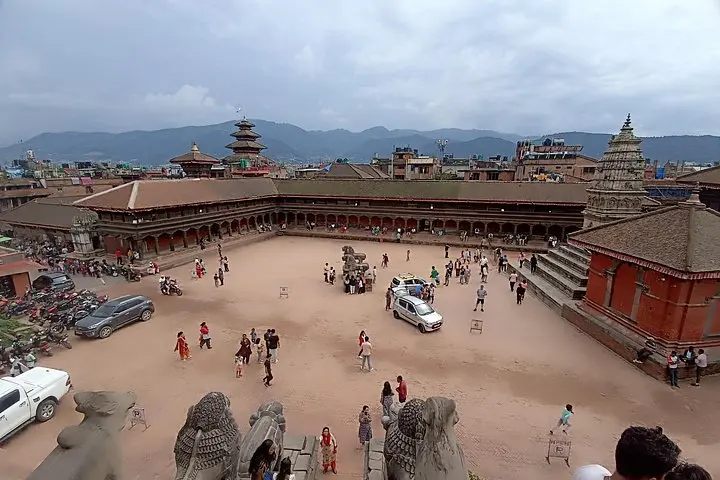
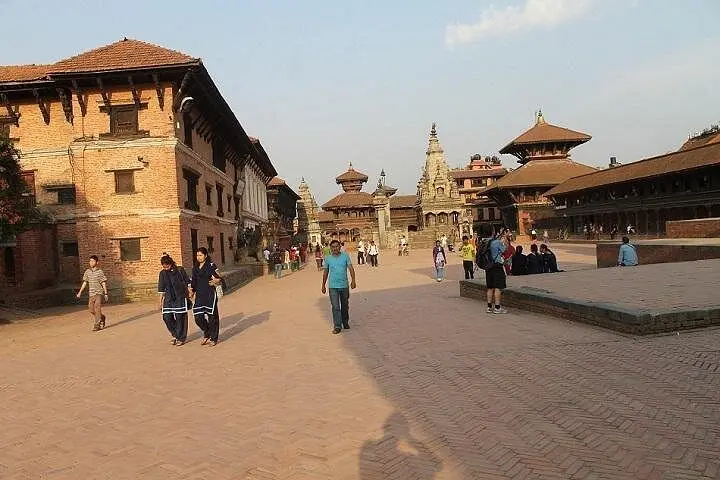
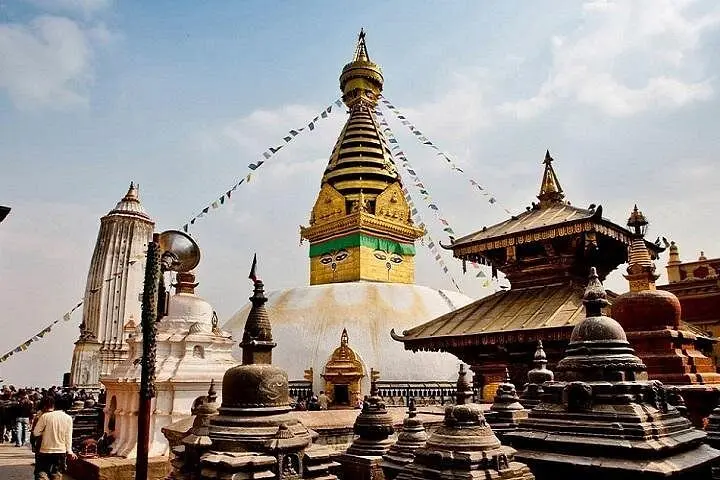
You step from the air‑conditioned vehicle into a court of carved wood and brick where pigeons wheel and sunlight slices across stepped courtyards. Bhaktapur’s squares press close around tiered temples and the clay-smudged hands of potters shaping century-old techniques, then the day moves along the Bagmati River where saffron-clad sadhus chant beside open-air cremations at Pashupatinath. Later, a climb of stone steps at Swyambhunath rewards with a circling view of rooftops and a distant ridge of the Himalaya on clear mornings.
You step from the air‑conditioned vehicle into a court of carved wood and brick where pigeons wheel and sunlight slices across stepped courtyards. Bhaktapur’s squares press close around tiered temples and the clay-smudged hands of potters shaping century-old techniques, then the day moves along the Bagmati River where saffron-clad sadhus chant beside open-air cremations at Pashupatinath. Later, a climb of stone steps at Swyambhunath rewards with a circling view of rooftops and a distant ridge of the Himalaya on clear mornings.
These three sites trace Kathmandu Valley’s arc: medieval Newar craftsmanship in Bhaktapur’s Durbar Square, millennia of Shaiva ritual at Pashupatinath, and Swayambhu’s stupa as a focal point of Himalayan Buddhism. The architecture uses brick, carved timber, and gilded metalwork; the valley’s alluvial soils and seismic history explain the compact, layered urban form. Cultural etiquette matters—modest dress, quiet near shrines, and permission before photographing worshippers.
Practical notes: expect a 6–7 hour private tour with moderate walking on uneven stone and steps; guide commentary, parking fees, and transfers are included. Carry water, sun protection, and small cash for temple donations or handicrafts. Mornings bring cooler light and clearer distant views; monsoon months can make courtyards slick. Allow patience for crowds at key vantage points and time to move respectfully through ritual spaces. With basic mobility, the route delivers a concentrated immersion in Kathmandu’s living history—visual, tactile, and unmistakably urban in its intimacy with faith and craft.
Frequently asked questions
The tour runs about 6–7 hours with moderate walking on uneven stone, stairs, and short distances between sites—plan for 2–4 miles total.
The tour price typically covers guide and transport; check booking details for site entry fees which may be paid separately or included depending on the operator.
Children can join but must be supervised; wheelchair access is limited at many temple terraces and historic courtyards—inform the operator about mobility needs before booking.
Dress modestly (cover shoulders and knees), remove shoes where required, and ask before photographing people engaged in ritual; small donations are customary in some spots.
About This Experience
Alpine Asian Treks and Expedition P. Ltd. operates guided outdoor trips and adventures with an emphasis on safety, stewardship, and memorable experiences.
Adventure tips
Recommended gear
- Comfortable walking shoes: Provides support and grip on stone courtyards and temple steps.
- Reusable water bottle with filter: Keeps you hydrated and reduces single‑use plastic during the full-day outing.
- Light scarf or shawl: Useful for modest dress at shrines and as sun protection.
- Compact rain jacket: Quick protection against monsoon showers and damp conditions.
Photos of the experience
Related adventures & guides
Read the full experience
You step from the air‑conditioned vehicle into a court of carved wood and brick where pigeons wheel and sunlight slices across stepped courtyards. Bhaktapur’s squares press close around tiered temples and the clay-smudged hands of potters shaping century-old techniques, then the day moves along the Bagmati River where saffron-clad sadhus chant beside open-air cremations at Pashupatinath. Later, a climb of stone steps at Swyambhunath rewards with a circling view of rooftops and a distant ridge of the Himalaya on clear mornings.
You step from the air‑conditioned vehicle into a court of carved wood and brick where pigeons wheel and sunlight slices across stepped courtyards. Bhaktapur’s squares press close around tiered temples and the clay-smudged hands of potters shaping century-old techniques, then the day moves along the Bagmati River where saffron-clad sadhus chant beside open-air cremations at Pashupatinath. Later, a climb of stone steps at Swyambhunath rewards with a circling view of rooftops and a distant ridge of the Himalaya on clear mornings.
These three sites trace Kathmandu Valley’s arc: medieval Newar craftsmanship in Bhaktapur’s Durbar Square, millennia of Shaiva ritual at Pashupatinath, and Swayambhu’s stupa as a focal point of Himalayan Buddhism. The architecture uses brick, carved timber, and gilded metalwork; the valley’s alluvial soils and seismic history explain the compact, layered urban form. Cultural etiquette matters—modest dress, quiet near shrines, and permission before photographing worshippers.
Practical notes: expect a 6–7 hour private tour with moderate walking on uneven stone and steps; guide commentary, parking fees, and transfers are included. Carry water, sun protection, and small cash for temple donations or handicrafts. Mornings bring cooler light and clearer distant views; monsoon months can make courtyards slick. Allow patience for crowds at key vantage points and time to move respectfully through ritual spaces. With basic mobility, the route delivers a concentrated immersion in Kathmandu’s living history—visual, tactile, and unmistakably urban in its intimacy with faith and craft.
Make a day of it nearby.
Verified experiences and guided adventures in the surrounding area.