THE ADVENTURE COLLECTIVE® · Independent discovery and booking for outdoor travel

A short, textured half-day that moves from Kathmandu’s bustle to a ridge-top Newari town full of carved temples, steep lanes and valley views. Ideal for travelers who want history, local food and compact walks without strenuous hiking.
A short, textured half-day that moves from Kathmandu’s bustle to a ridge-top Newari town full of carved temples, steep lanes and valley views. Ideal for travelers who want history, local food and compact walks without strenuous hiking.
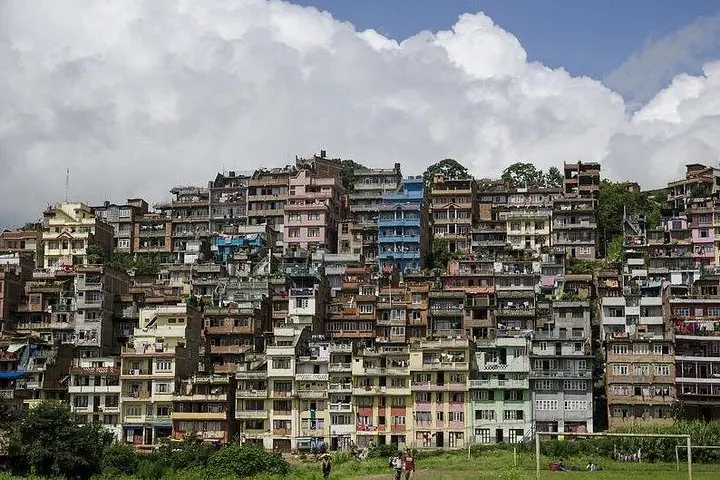
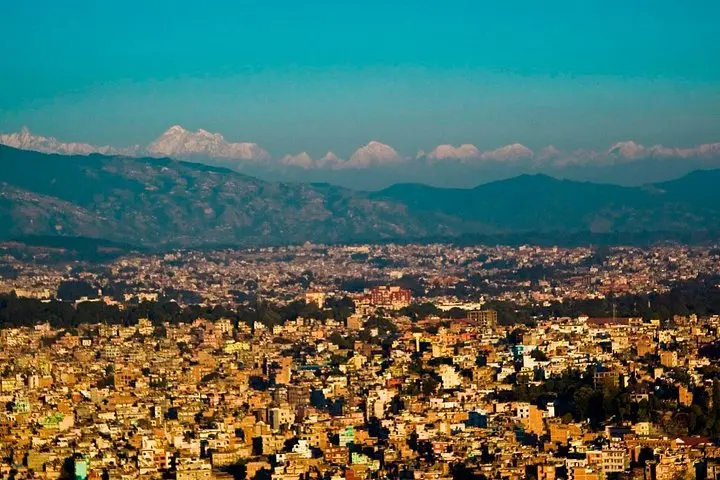
Morning light spills across terraced roofs as you roll out of Kathmandu and into Kirtipur—a compact Newari town that still moves at the rhythm of incense, temple bells and stone steps. The first views open onto the valley: rooftops, stubble fields, and distant Himalayan ridgelines hovering above Kathmandu like a promise.
Verified experiences and guided adventures in the surrounding area.
Operated by Himalayan Smile Treks and Adventure Pvt. Ltd · Kirtipur, Bagmati Province
Morning light spills across terraced roofs as you roll out of Kathmandu and into Kirtipur—a compact Newari town that still moves at the rhythm of incense, temple bells and stone steps. The first views open onto the valley: rooftops, stubble fields, and distant Himalayan ridgelines hovering above Kathmandu like a promise.
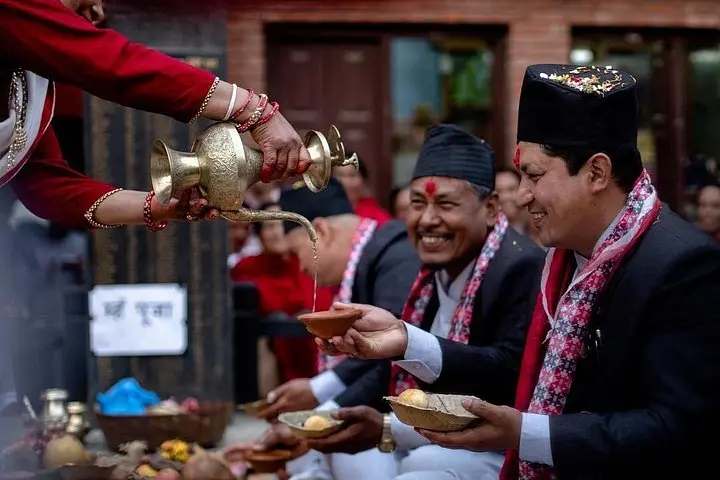
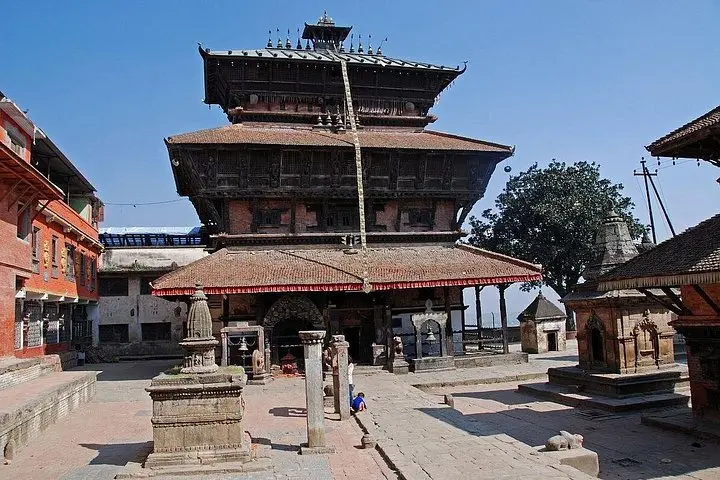
Kirtipur was once an independent city-state and a stubborn stronghold during Prithvi Narayan Shah’s mid-18th-century unification campaign; the scars and flags of that era are visible in narrow lanes, carved woodwork, and the town’s defensive siting on a ridge. Geologically, the town perches on the Kathmandu Valley rim—steep slopes, exposed brick stairways and compacted clay lanes that funnel rainfall and foot traffic. Architecturally, expect Newari brickwork, richly carved windows, and small stone shrines: Bagh Bhairab, Uma Maheshwar and the Chilancho Stupa anchor the route. Local life—metalworkers, kumari rituals, neighborhood markets—threads through the visit and offers a living cultural layer beyond the monuments.
Practical note: the typical private tour runs about 3–4 hours with hotel pick-up, a half-hour drive from central Kathmandu, and involves short steep climbs and many steps. Wear stiff-soled shoes for cobbled alleys, carry cash for offerings and snacks, and plan for clear valley views in autumn and winter or hazy skies in monsoon. Guides will often suggest trying Newari dishes in a family-run eatery; bring respect, modest dress for temples, and a camera with extra battery—Kirtipur rewards both slow walking and attention to small details.
The private tour typically lasts 3–4 hours and usually includes a guide, private vehicle, and hotel pick-up/drop-off; entrance donations are generally small and not always included.
Kirtipur has many steep stone steps and uneven surfaces; it’s not ideal for wheelchair users or those who cannot manage stairs—consider accessibility before booking.
Yes—guides often offer stops at family-run eateries where you can sample Newari specialties, but bring cash and let your guide know dietary restrictions.
Late autumn through winter (September–February) usually offers the clearest air and best long-range views; monsoon months can be hazy or rainy.
Himalayan Smile Treks and Adventure Pvt. Ltd operates guided outdoor trips and adventures with an emphasis on safety, stewardship, and memorable experiences.
Morning light spills across terraced roofs as you roll out of Kathmandu and into Kirtipur—a compact Newari town that still moves at the rhythm of incense, temple bells and stone steps. The first views open onto the valley: rooftops, stubble fields, and distant Himalayan ridgelines hovering above Kathmandu like a promise.
Morning light spills across terraced roofs as you roll out of Kathmandu and into Kirtipur—a compact Newari town that still moves at the rhythm of incense, temple bells and stone steps. The first views open onto the valley: rooftops, stubble fields, and distant Himalayan ridgelines hovering above Kathmandu like a promise.
Kirtipur was once an independent city-state and a stubborn stronghold during Prithvi Narayan Shah’s mid-18th-century unification campaign; the scars and flags of that era are visible in narrow lanes, carved woodwork, and the town’s defensive siting on a ridge. Geologically, the town perches on the Kathmandu Valley rim—steep slopes, exposed brick stairways and compacted clay lanes that funnel rainfall and foot traffic. Architecturally, expect Newari brickwork, richly carved windows, and small stone shrines: Bagh Bhairab, Uma Maheshwar and the Chilancho Stupa anchor the route. Local life—metalworkers, kumari rituals, neighborhood markets—threads through the visit and offers a living cultural layer beyond the monuments.
Practical note: the typical private tour runs about 3–4 hours with hotel pick-up, a half-hour drive from central Kathmandu, and involves short steep climbs and many steps. Wear stiff-soled shoes for cobbled alleys, carry cash for offerings and snacks, and plan for clear valley views in autumn and winter or hazy skies in monsoon. Guides will often suggest trying Newari dishes in a family-run eatery; bring respect, modest dress for temples, and a camera with extra battery—Kirtipur rewards both slow walking and attention to small details.