THE ADVENTURE COLLECTIVE® · Independent discovery and booking for outdoor travel

Spend a day exploring Estonia’s largest national park: walk the Viru bog boardwalk, tour 18th-century manors, and visit coastal captain villages. This full-day trip mixes easy hikes, cultural stops and wildlife viewing with practical guidance for timing and gear.
Spend a day exploring Estonia’s largest national park: walk the Viru bog boardwalk, tour 18th-century manors, and visit coastal captain villages. This full-day trip mixes easy hikes, cultural stops and wildlife viewing with practical guidance for timing and gear.
You arrive from Tallinn with the road opening into a green, low coastline where the forest seems to breathe. Wooden boardwalks over peat bogs lift you above a stitched pattern of sphagnum and black water; the wind off the Gulf of Finland tugs at the trees and the sea calls from a distant shore. This is Lahemaa — large, varied and stubbornly natural.
Verified experiences and guided adventures in the surrounding area.
Operated by Estonia4u · Palmse, Harju County
You arrive from Tallinn with the road opening into a green, low coastline where the forest seems to breathe. Wooden boardwalks over peat bogs lift you above a stitched pattern of sphagnum and black water; the wind off the Gulf of Finland tugs at the trees and the sea calls from a distant shore. This is Lahemaa — large, varied and stubbornly natural.
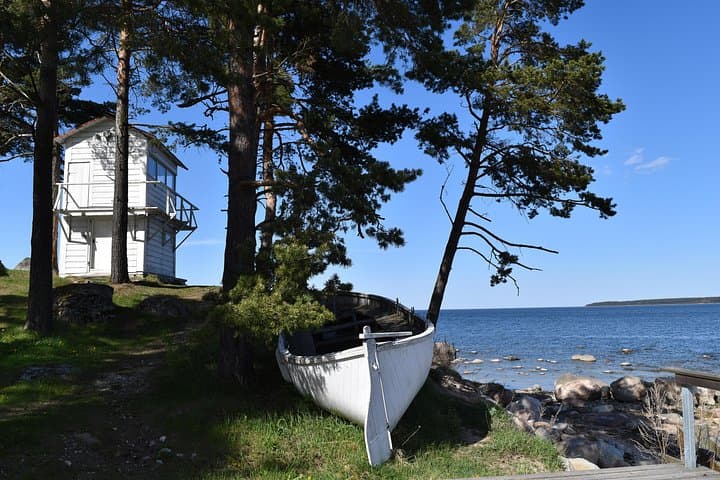
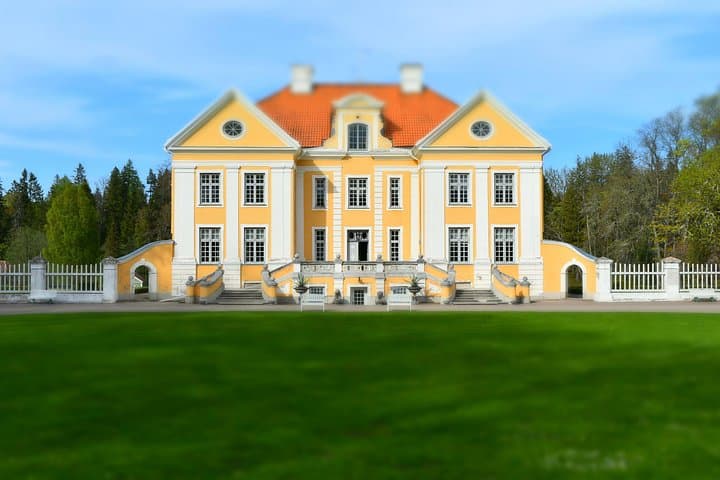
Lahemaa’s human story shows in baroque manor houses, coastal captain villages and Bronze Age burial mounds. Geology here is limestone and glacial erratics: boulders left by ice and wetlands that store centuries of peat. Cultural traces from Baltic German manors to fishermen’s taverns sit shoulder to shoulder with birch and pine.
On a typical day you’ll walk a well-built boardwalk across Viru bog to a viewing platform, stroll manor parks at Palmse and Sagadi, tour a small coastal stronghold turned cafe, and visit seaman villages where wooden houses still face the sea. Expect short on-foot sections (20–60 minute stops), simple trails, and salty coastal air mixed with conifer resin.
Practical edge: bring waterproof layers, closed hiking shoes and insect repellant; boardwalks get slick and bogs are protected by raised paths. If you want wildlife, mornings and late afternoons bring the best sightings. Plan for a full day — 7–8 hours — and consider local guide knowledge for history and safe routes. Lahemaa rewards patience: views aren’t always dramatic, but the slow pace and small details — a manor gate, a beaver-cut willow, the creak of a windmill — make the visit lasting and quietly wild.
The excursion is a full-day trip (about 7–8 hours) with multiple short walks and stops—most on easy boardwalks or manor paths lasting 20–60 minutes each.
Admission to some museums (for example the sea museum) may be extra; check the tour details or bring a small amount of cash for optional entries.
Boardwalk sections are stroller-friendly in parts, but some village streets and manor grounds have cobbles or steps; families with infants should bring carriers for easier access.
Yes — beavers, otters and raptors such as white-tailed eagles are present; sightings aren’t guaranteed but are more likely at dawn or dusk and from viewing platforms.
Estonia4u operates guided outdoor trips and adventures with an emphasis on safety, stewardship, and memorable experiences.

You arrive from Tallinn with the road opening into a green, low coastline where the forest seems to breathe. Wooden boardwalks over peat bogs lift you above a stitched pattern of sphagnum and black water; the wind off the Gulf of Finland tugs at the trees and the sea calls from a distant shore. This is Lahemaa — large, varied and stubbornly natural.
You arrive from Tallinn with the road opening into a green, low coastline where the forest seems to breathe. Wooden boardwalks over peat bogs lift you above a stitched pattern of sphagnum and black water; the wind off the Gulf of Finland tugs at the trees and the sea calls from a distant shore. This is Lahemaa — large, varied and stubbornly natural.
Lahemaa’s human story shows in baroque manor houses, coastal captain villages and Bronze Age burial mounds. Geology here is limestone and glacial erratics: boulders left by ice and wetlands that store centuries of peat. Cultural traces from Baltic German manors to fishermen’s taverns sit shoulder to shoulder with birch and pine.
On a typical day you’ll walk a well-built boardwalk across Viru bog to a viewing platform, stroll manor parks at Palmse and Sagadi, tour a small coastal stronghold turned cafe, and visit seaman villages where wooden houses still face the sea. Expect short on-foot sections (20–60 minute stops), simple trails, and salty coastal air mixed with conifer resin.
Practical edge: bring waterproof layers, closed hiking shoes and insect repellant; boardwalks get slick and bogs are protected by raised paths. If you want wildlife, mornings and late afternoons bring the best sightings. Plan for a full day — 7–8 hours — and consider local guide knowledge for history and safe routes. Lahemaa rewards patience: views aren’t always dramatic, but the slow pace and small details — a manor gate, a beaver-cut willow, the creak of a windmill — make the visit lasting and quietly wild.