THE ADVENTURE COLLECTIVE® · Independent discovery and booking for outdoor travel

Walk through stone-carved sanctuaries and tunneled corridors on a full-day guided tour of Lalibela’s rock-hewn churches. This itinerary pairs close-up history and active worship with practical tips for navigating stairs, narrow passageways, and seasonal weather.
Walk through stone-carved sanctuaries and tunneled corridors on a full-day guided tour of Lalibela’s rock-hewn churches. This itinerary pairs close-up history and active worship with practical tips for navigating stairs, narrow passageways, and seasonal weather.
Stepping from the highland air into Lalibela, the town feels carved along with its churches: bell calls, incense, and priests moving through narrow stone corridors. The stained light that filters down shafts and tunnels gives each chamber a private, almost theatrical quality.
Verified experiences and guided adventures in the surrounding area.
Operated by Extraordinary Ethiopia Tours · Lalibela, Amhara Region
Stepping from the highland air into Lalibela, the town feels carved along with its churches: bell calls, incense, and priests moving through narrow stone corridors. The stained light that filters down shafts and tunnels gives each chamber a private, almost theatrical quality.
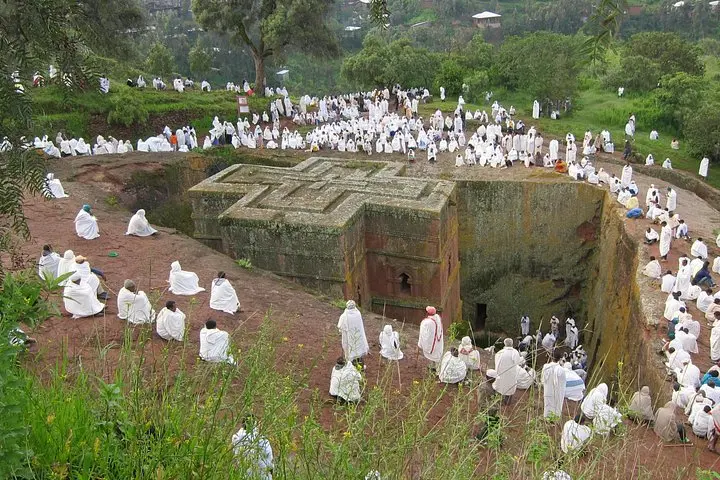
Carved from the volcanic tuff more than 900 years ago during the reign of King Lalibela, the eleven monolithic and semi-monolithic churches form three main clusters linked by passageways and ritual courtyards. Here you’ll find Bete Giyorgis (St. George), the iconic cross-shaped monolith often cited as the largest single-piece church in the complex, alongside intimate chapels with layered icon paintings and carved reliefs. The stone itself tells the geologic story: soft tuff made precise carving possible, while centuries of use have added patina and worn stairways.
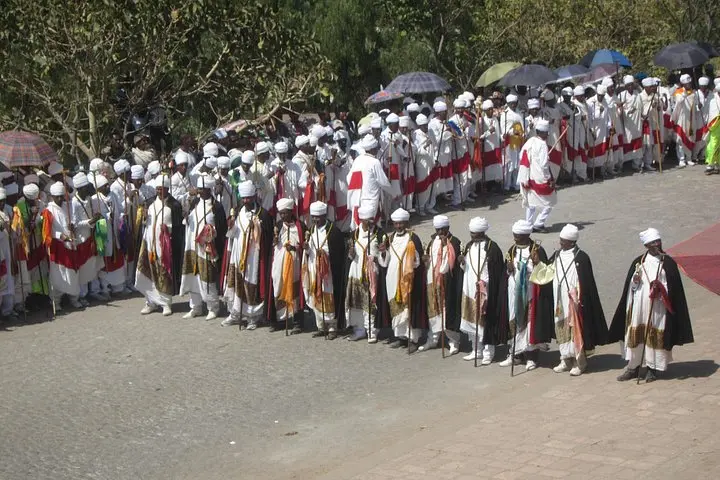
This is an active Ethiopian Orthodox pilgrimage site: services, fasts, and festivals shape how these spaces are used and preserved. Local guides explain symbolism carved into walls and point out hermit cells and hidden tunnels where monks lived.
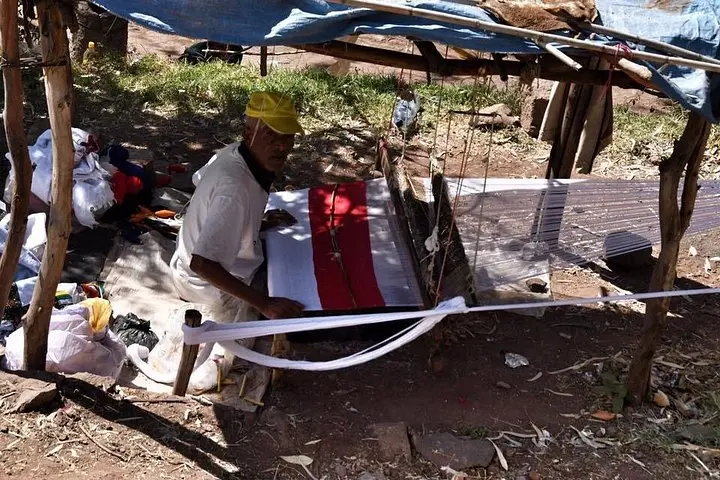
Practical guidance: this guided tour runs as a full day (roughly six hours) with stairs, narrow passages, and uneven rock underfoot. Wear grippy, closed-toe shoes, bring sun protection and 1–2 liters of water, and carry small bills for entrance fees, tips, and donations. Modest dress is required inside churches; photography is usually allowed but be respectful during services and where signage limits flash. Expect a mix of indoor dim chapels and bright courtyards, and plan some extra time to wander the market or climb to nearby viewpoints for panoramic light at sunrise or late afternoon.
The tour listing does not specify entrance fees; travelers should confirm with the operator—budget cash for site tickets, which are often paid locally.
Many churches involve steps, narrow tunnels, and uneven floors; the tour is not ideal for those with limited mobility—ask the operator about accessible alternatives.
Guided full-day itineraries typically cover the main groups and highlight key churches like Bete Giyorgis, but schedules can vary; your guide will prioritize based on time and access.
Photography is generally permitted in many areas but restricted during services and in rooms with delicate icons—follow guide instructions and signage, and avoid flash where requested.
Extraordinary Ethiopia Tours operates guided outdoor trips and adventures with an emphasis on safety, stewardship, and memorable experiences.
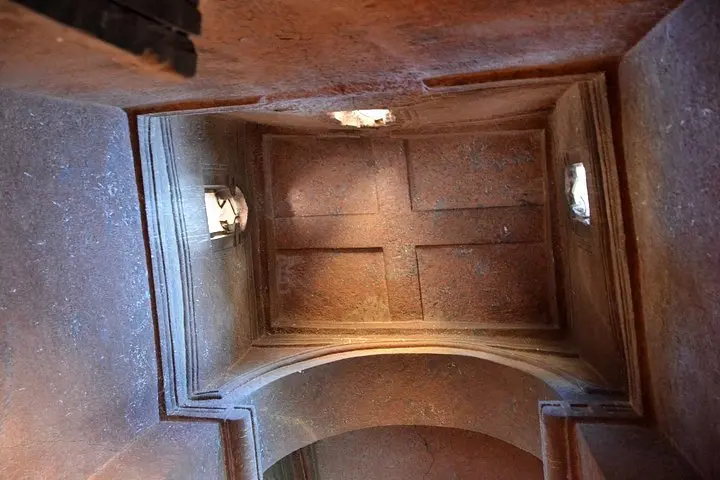
Stepping from the highland air into Lalibela, the town feels carved along with its churches: bell calls, incense, and priests moving through narrow stone corridors. The stained light that filters down shafts and tunnels gives each chamber a private, almost theatrical quality.
Stepping from the highland air into Lalibela, the town feels carved along with its churches: bell calls, incense, and priests moving through narrow stone corridors. The stained light that filters down shafts and tunnels gives each chamber a private, almost theatrical quality.
Carved from the volcanic tuff more than 900 years ago during the reign of King Lalibela, the eleven monolithic and semi-monolithic churches form three main clusters linked by passageways and ritual courtyards. Here you’ll find Bete Giyorgis (St. George), the iconic cross-shaped monolith often cited as the largest single-piece church in the complex, alongside intimate chapels with layered icon paintings and carved reliefs. The stone itself tells the geologic story: soft tuff made precise carving possible, while centuries of use have added patina and worn stairways.
This is an active Ethiopian Orthodox pilgrimage site: services, fasts, and festivals shape how these spaces are used and preserved. Local guides explain symbolism carved into walls and point out hermit cells and hidden tunnels where monks lived.
Practical guidance: this guided tour runs as a full day (roughly six hours) with stairs, narrow passages, and uneven rock underfoot. Wear grippy, closed-toe shoes, bring sun protection and 1–2 liters of water, and carry small bills for entrance fees, tips, and donations. Modest dress is required inside churches; photography is usually allowed but be respectful during services and where signage limits flash. Expect a mix of indoor dim chapels and bright courtyards, and plan some extra time to wander the market or climb to nearby viewpoints for panoramic light at sunrise or late afternoon.