THE ADVENTURE COLLECTIVE® · Independent discovery and booking for outdoor travel

A private tour through Lalibela’s eleven rock-hewn churches brings you into an active medieval complex carved from volcanic rock. Expect uneven stone steps, living liturgy, and rooftop viewpoints across Ethiopian highlands.
A private tour through Lalibela’s eleven rock-hewn churches brings you into an active medieval complex carved from volcanic rock. Expect uneven stone steps, living liturgy, and rooftop viewpoints across Ethiopian highlands.
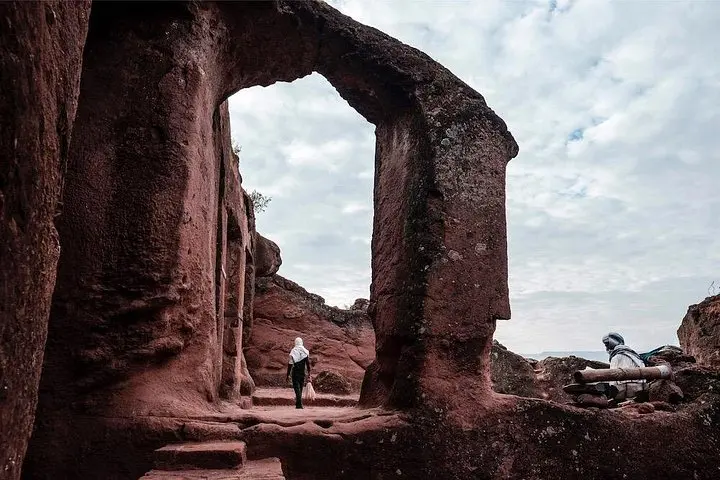
You step from the vehicle into thin, highland air and a town carved in stone; the churches sit like rooms cut from the mountain, their walls worn smooth by centuries of hands and pilgrimage.
Verified experiences and guided adventures in the surrounding area.
Operated by Addis Ethiopia Tours · Lalibela, Amhara Region
You step from the vehicle into thin, highland air and a town carved in stone; the churches sit like rooms cut from the mountain, their walls worn smooth by centuries of hands and pilgrimage.
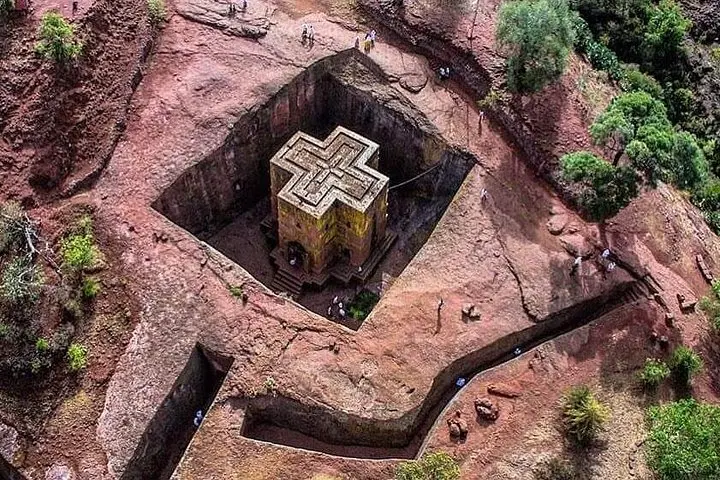
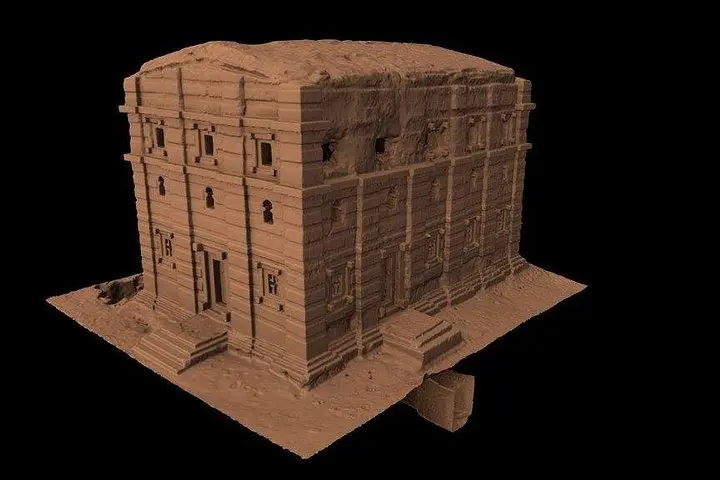
Carved in the 12th century under the Zagwe dynasty, Lalibela’s monolithic churches were hewn from solid volcanic tuff and arranged in three principal groups. The architecture compresses theology into stone—cross-shaped basilicas, underground passageways, and sunken courtyards that channel light and ritual. Geology here matters: soft volcanic rock allowed precise carving but also demands ongoing conservation as foot traffic and weathering accelerate erosion.
Culture is present and active; you’ll encounter priests in white robes, the low murmur of prayer, and local vendors selling roasted barley and coffee. A local guide decodes iconography and explains the UNESCO listing while pointing out quieter corners—the trenches that link chapel to chapel and the rooftop views over the town and surrounding plateaus.
Practical guidance: the full private program typically spans one to two days depending on arrival time; entrance fees are separate (budget accordingly), and formal dress is expected inside sacred spaces—shoulders and knees covered. Expect uneven stone steps, narrow passages and lots of standing. Bring a water bottle, comfortable shoes with good grip, and a headscarf if you plan to enter interior chapels.
Timing matters: mornings are cool and less crowded; late afternoon light sharpens relief on carved facades. Respect liturgy and photography rules inside churches; your quiet attention helps preserve living heritage.
Tours vary by arrival time; expect between a half-day to two days depending on whether you visit all three church groups in one session.
Entrance is typically not included in base price; the local fee is paid separately on arrival — confirm with your operator.
Photography rules vary by church and service; respect signs and priestly requests — disabling flash is usually required.
Yes, it’s generally suitable, but both should be prepared for uneven steps and some standing; request a slower pace when booking.
Addis Ethiopia Tours operates guided outdoor trips and adventures with an emphasis on safety, stewardship, and memorable experiences.

You step from the vehicle into thin, highland air and a town carved in stone; the churches sit like rooms cut from the mountain, their walls worn smooth by centuries of hands and pilgrimage.
You step from the vehicle into thin, highland air and a town carved in stone; the churches sit like rooms cut from the mountain, their walls worn smooth by centuries of hands and pilgrimage.
Carved in the 12th century under the Zagwe dynasty, Lalibela’s monolithic churches were hewn from solid volcanic tuff and arranged in three principal groups. The architecture compresses theology into stone—cross-shaped basilicas, underground passageways, and sunken courtyards that channel light and ritual. Geology here matters: soft volcanic rock allowed precise carving but also demands ongoing conservation as foot traffic and weathering accelerate erosion.
Culture is present and active; you’ll encounter priests in white robes, the low murmur of prayer, and local vendors selling roasted barley and coffee. A local guide decodes iconography and explains the UNESCO listing while pointing out quieter corners—the trenches that link chapel to chapel and the rooftop views over the town and surrounding plateaus.
Practical guidance: the full private program typically spans one to two days depending on arrival time; entrance fees are separate (budget accordingly), and formal dress is expected inside sacred spaces—shoulders and knees covered. Expect uneven stone steps, narrow passages and lots of standing. Bring a water bottle, comfortable shoes with good grip, and a headscarf if you plan to enter interior chapels.
Timing matters: mornings are cool and less crowded; late afternoon light sharpens relief on carved facades. Respect liturgy and photography rules inside churches; your quiet attention helps preserve living heritage.