THE ADVENTURE COLLECTIVE® · Independent discovery and booking for outdoor travel

Spend a full day among the rock‑hewn churches of Lalibela, attending an early service, exploring carved sanctuaries and ending with a traditional coffee ceremony. This private tour pairs layered history and active worship with practical transfers and a local guide.
Spend a full day among the rock‑hewn churches of Lalibela, attending an early service, exploring carved sanctuaries and ending with a traditional coffee ceremony. This private tour pairs layered history and active worship with practical transfers and a local guide.
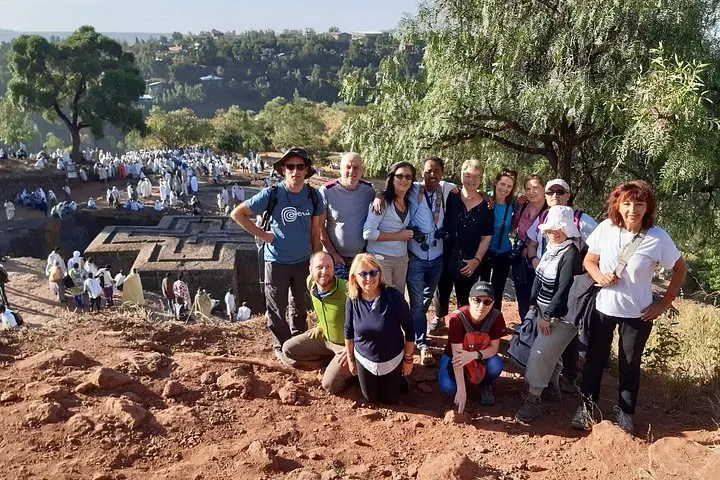
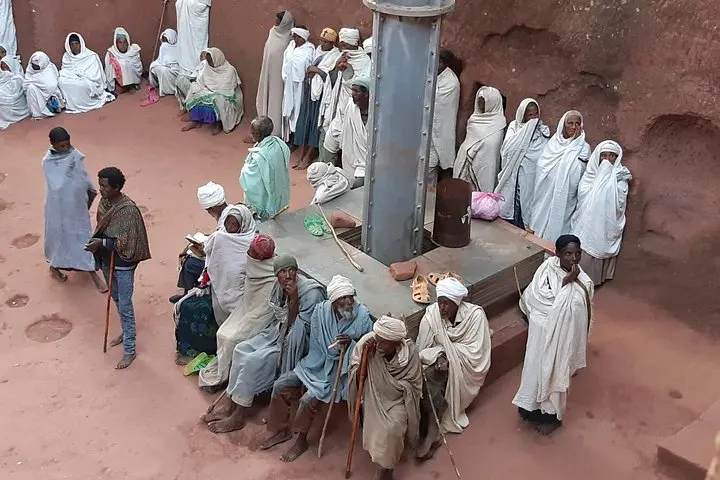
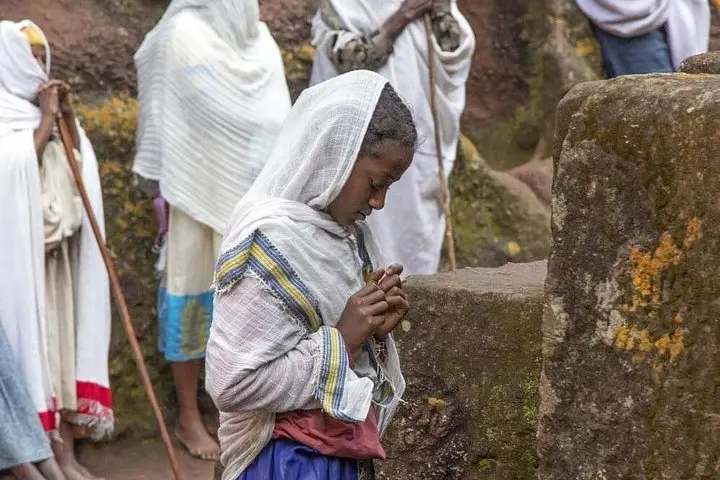
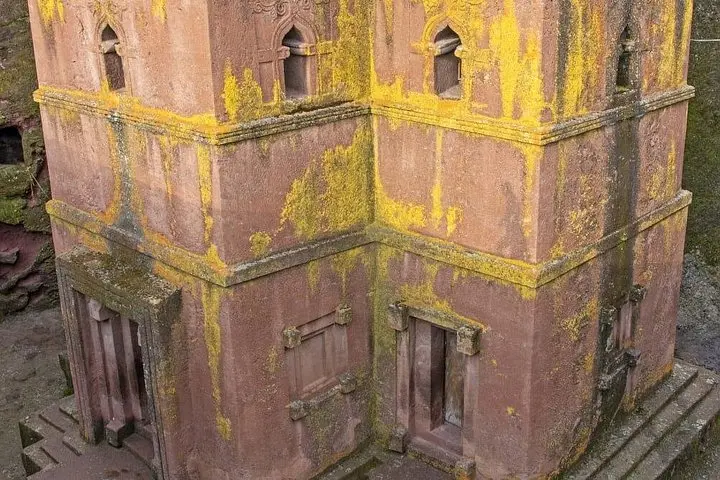
Early morning in Lalibela arrives cool and thin; the town’s flat-roofed houses sit beneath a sky that leans close to the red-brown cliffs. Visitors move quietly between the carved monoliths, where yawning doorways cut into bedrock invite you into shadowed chambers lit by narrow windows and beeswax candles. Attending a dawn service at Bet Medhane Alem, the largest of the complex, lays out the ritual rhythm of the place—chants, incense, and the careful removal of shoes.
Verified experiences and guided adventures in the surrounding area.
Operated by Dan Lalibela Tour Guide Services · Lalibela, Amhara
Early morning in Lalibela arrives cool and thin; the town’s flat-roofed houses sit beneath a sky that leans close to the red-brown cliffs. Visitors move quietly between the carved monoliths, where yawning doorways cut into bedrock invite you into shadowed chambers lit by narrow windows and beeswax candles. Attending a dawn service at Bet Medhane Alem, the largest of the complex, lays out the ritual rhythm of the place—chants, incense, and the careful removal of shoes.
The churches here were carved from the 12th century under King Lalibela’s patronage and remain an active, living complex recognized as a UNESCO World Heritage Site. Geologically, the structures are hewn from volcanic tuff; the soft stone allowed medieval masons to sculpt whole buildings straight out of the mountain. Culturally, the site is an Ethiopian Orthodox center: expect liturgy, strict dress norms, and a strong sense of continuity with centuries of pilgrimage.
A private guide will lead you through narrow passages, cliffside courtyards and subterranean tunnels, ending with a traditional Ethiopian coffee ceremony in a local home—a small ceremony that underscores coffee’s social role here. The tour includes airport transfers (round-trip, about 50 km) and covers all fees and taxes.
Practical points: wear sturdy, closed-toe shoes for uneven rock and steps, dress modestly (shoulders and knees covered), and plan for a full day—roughly 7–8 hours. Photography may be restricted during services; bring cash for small donations and tips. The experience blends archaeology, faith, and living culture—intense, immersive, and quietly deliberate.
Photography rules vary—flash and photos during services are often prohibited; follow your guide’s instructions and ask before photographing worshippers.
Some areas have ramps or flat courtyards, but many spaces include steps and narrow passages; the tour lists wheelchair accessible but accessibility can be limited in certain chapels.
Yes—this tour includes attending an early morning service at one of the major churches; visitors should be respectful and follow local customs.
The itinerary includes a traditional Ethiopian coffee ceremony and options for vegetarian meals; advise dietary requirements at booking.
Dan Lalibela Tour Guide Services operates guided outdoor trips and adventures with an emphasis on safety, stewardship, and memorable experiences.
Early morning in Lalibela arrives cool and thin; the town’s flat-roofed houses sit beneath a sky that leans close to the red-brown cliffs. Visitors move quietly between the carved monoliths, where yawning doorways cut into bedrock invite you into shadowed chambers lit by narrow windows and beeswax candles. Attending a dawn service at Bet Medhane Alem, the largest of the complex, lays out the ritual rhythm of the place—chants, incense, and the careful removal of shoes.
Early morning in Lalibela arrives cool and thin; the town’s flat-roofed houses sit beneath a sky that leans close to the red-brown cliffs. Visitors move quietly between the carved monoliths, where yawning doorways cut into bedrock invite you into shadowed chambers lit by narrow windows and beeswax candles. Attending a dawn service at Bet Medhane Alem, the largest of the complex, lays out the ritual rhythm of the place—chants, incense, and the careful removal of shoes.
The churches here were carved from the 12th century under King Lalibela’s patronage and remain an active, living complex recognized as a UNESCO World Heritage Site. Geologically, the structures are hewn from volcanic tuff; the soft stone allowed medieval masons to sculpt whole buildings straight out of the mountain. Culturally, the site is an Ethiopian Orthodox center: expect liturgy, strict dress norms, and a strong sense of continuity with centuries of pilgrimage.
A private guide will lead you through narrow passages, cliffside courtyards and subterranean tunnels, ending with a traditional Ethiopian coffee ceremony in a local home—a small ceremony that underscores coffee’s social role here. The tour includes airport transfers (round-trip, about 50 km) and covers all fees and taxes.
Practical points: wear sturdy, closed-toe shoes for uneven rock and steps, dress modestly (shoulders and knees covered), and plan for a full day—roughly 7–8 hours. Photography may be restricted during services; bring cash for small donations and tips. The experience blends archaeology, faith, and living culture—intense, immersive, and quietly deliberate.