THE ADVENTURE COLLECTIVE® · Independent discovery and booking for outdoor travel

Walk among 15th–16th century domed tombs, shady trees and urban birdlife in Lodhi Gardens, then unwind with conversation and a meal at the India Habitat Centre. This guided walk blends history, architecture and contemporary culture in central New Delhi.
Walk among 15th–16th century domed tombs, shady trees and urban birdlife in Lodhi Gardens, then unwind with conversation and a meal at the India Habitat Centre. This guided walk blends history, architecture and contemporary culture in central New Delhi.
The morning opens over broad lawns and sunlit domes as you step into Lodhi Gardens, where parrots thread through banyan branches and stone tombs keep a quiet watch. The walk moves at a human pace: paved alleys, low-rise Mughal-era monuments, and shaded benches that invite pauses to study carved arches or people-watching runners.
Verified experiences and guided adventures in the surrounding area.
Operated by Delhi Quest · New Delhi, Delhi
The morning opens over broad lawns and sunlit domes as you step into Lodhi Gardens, where parrots thread through banyan branches and stone tombs keep a quiet watch. The walk moves at a human pace: paved alleys, low-rise Mughal-era monuments, and shaded benches that invite pauses to study carved arches or people-watching runners.
Lodhi Gardens sits on the southern edge of the Delhi Ridge, a remnant of the Aravalli foothills, and contains 15th–16th century Sayyid and Lodhi tombs that reflect Sultanate-era funerary architecture. The stones tell a layered cultural story — Persian-influenced domes, later British landscape interventions that created the park in the 20th century, and contemporary uses as a civic green space near the India Habitat Centre, a modern cultural complex hosting talks, galleries and cafés.
Expect sensory contrasts: cool shadow under peepal trees, the dry smell of dust where early sunlight hits grass, and the muffled city hum beyond the park walls. Guides weave history and local lore — from tomb inscriptions to the park’s role in Delhi’s urban ecology — before the group drifts to the India Habitat Centre for informal discussion or a relaxed lunch (meals separate).
Practical guidance: wear comfortable walking shoes, carry sun protection and a small bottle of water provided by the tour but bring extras in summer; allow 2–4 hours for a paced, interpretive experience. Mobility-friendly paths make this accessible for most travelers; mornings are cooler and best for light photography and birdwatching. Bring curiosity — the walk rewards attention to small architectural details and neighborhood life beyond the gates.
The tour typically lasts 2–4 hours depending on group pace and any optional stops at nearby sites.
Yes — major paths through Lodhi Gardens and access to the India Habitat Centre are wheelchair and stroller accessible.
No — bottled water is included; lunch or snacks at the India Habitat Centre are separate and optional.
Yes — photography is welcome; avoid flash inside indoor exhibitions at India Habitat Centre and respect other visitors.
Delhi Quest operates guided outdoor trips and adventures with an emphasis on safety, stewardship, and memorable experiences.
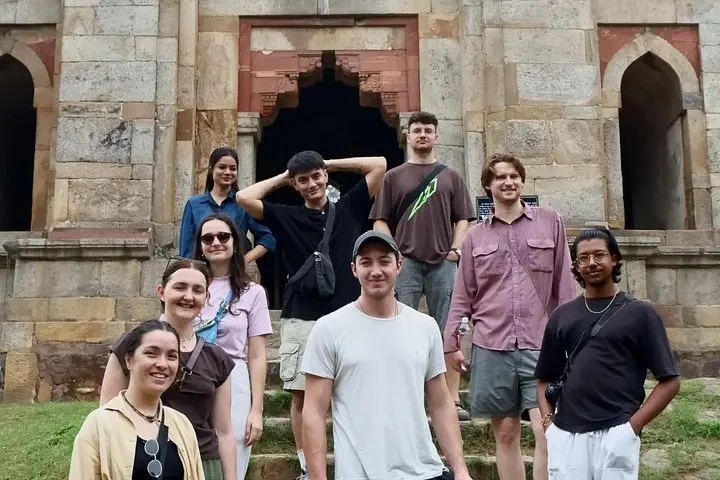



The morning opens over broad lawns and sunlit domes as you step into Lodhi Gardens, where parrots thread through banyan branches and stone tombs keep a quiet watch. The walk moves at a human pace: paved alleys, low-rise Mughal-era monuments, and shaded benches that invite pauses to study carved arches or people-watching runners.
The morning opens over broad lawns and sunlit domes as you step into Lodhi Gardens, where parrots thread through banyan branches and stone tombs keep a quiet watch. The walk moves at a human pace: paved alleys, low-rise Mughal-era monuments, and shaded benches that invite pauses to study carved arches or people-watching runners.
Lodhi Gardens sits on the southern edge of the Delhi Ridge, a remnant of the Aravalli foothills, and contains 15th–16th century Sayyid and Lodhi tombs that reflect Sultanate-era funerary architecture. The stones tell a layered cultural story — Persian-influenced domes, later British landscape interventions that created the park in the 20th century, and contemporary uses as a civic green space near the India Habitat Centre, a modern cultural complex hosting talks, galleries and cafés.
Expect sensory contrasts: cool shadow under peepal trees, the dry smell of dust where early sunlight hits grass, and the muffled city hum beyond the park walls. Guides weave history and local lore — from tomb inscriptions to the park’s role in Delhi’s urban ecology — before the group drifts to the India Habitat Centre for informal discussion or a relaxed lunch (meals separate).
Practical guidance: wear comfortable walking shoes, carry sun protection and a small bottle of water provided by the tour but bring extras in summer; allow 2–4 hours for a paced, interpretive experience. Mobility-friendly paths make this accessible for most travelers; mornings are cooler and best for light photography and birdwatching. Bring curiosity — the walk rewards attention to small architectural details and neighborhood life beyond the gates.