THE ADVENTURE COLLECTIVE® · Independent discovery and booking for outdoor travel

Spend a long, immersive day from Punta Cana exploring Los Haitises’ karst islands and Taíno caves, climb Montaña Redonda for sweeping coastal views, then relax under Yanigua’s virgin waterfall with a clay spa and cocoa tasting.
Spend a long, immersive day from Punta Cana exploring Los Haitises’ karst islands and Taíno caves, climb Montaña Redonda for sweeping coastal views, then relax under Yanigua’s virgin waterfall with a clay spa and cocoa tasting.
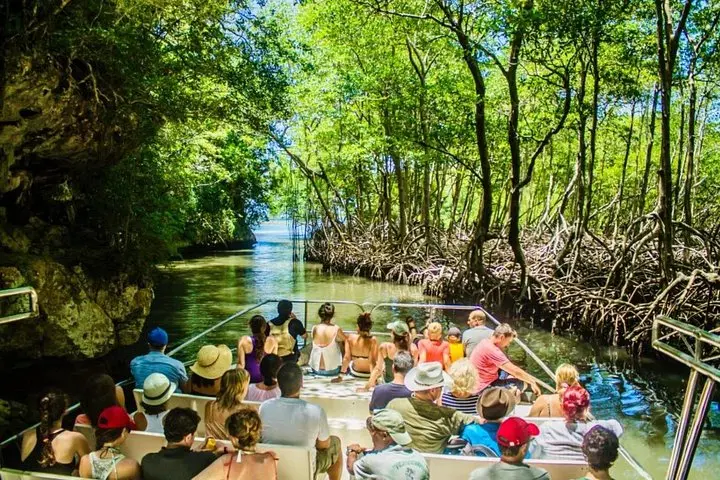
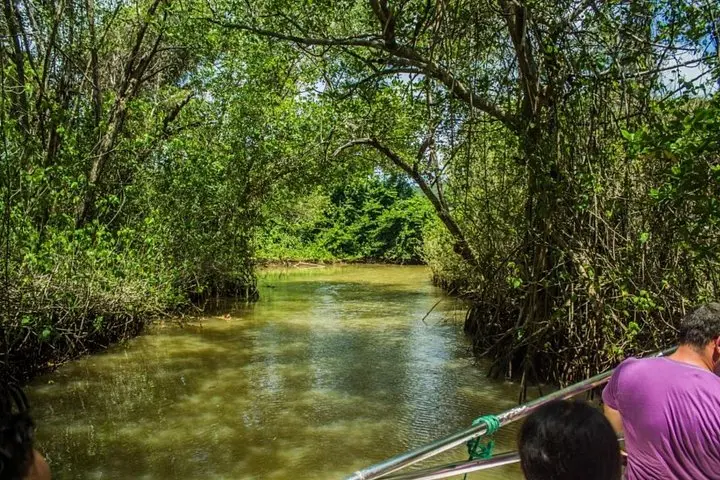
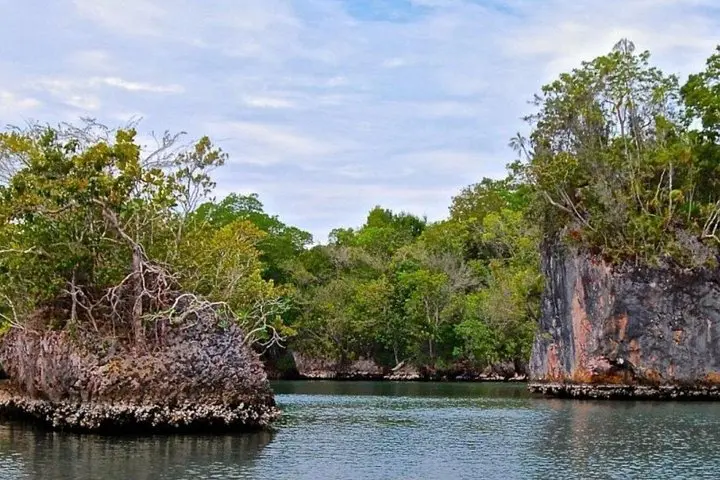
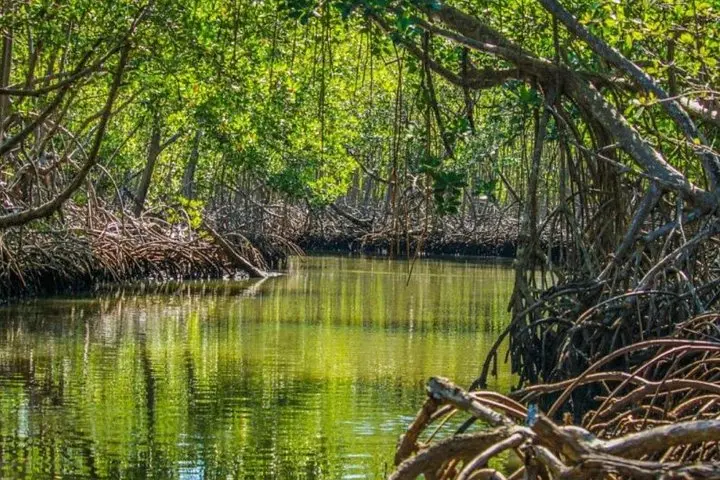
You step off the air-conditioned van and the world changes: the road gives way to a wooden pier, mangrove prop roots reaching like hands into glassy green water. A boat waits, motors ticking, and for the next full day you shuttle between ecosystems—karst islands thrust out of the bay, caves painted by Taíno hands, a 125-foot treehouse hanging above a valley, and a private waterfall where mineral-rich clay begs for a face mask.
Verified experiences and guided adventures in the surrounding area.
Operated by The Whales Las Ballenas · Sabana de la Mar, Hato Mayor
You step off the air-conditioned van and the world changes: the road gives way to a wooden pier, mangrove prop roots reaching like hands into glassy green water. A boat waits, motors ticking, and for the next full day you shuttle between ecosystems—karst islands thrust out of the bay, caves painted by Taíno hands, a 125-foot treehouse hanging above a valley, and a private waterfall where mineral-rich clay begs for a face mask.
Los Haitises National Park reads like a geology primer and a birding hot-spot in one. Limestone karsts, some rising nearly 30 meters from the water, were sculpted over millennia by tides and rain; their caverns preserve more than 950 Taíno pictographs, a rare window into pre-Columbian life. The park’s mangroves and estuaries are nursery grounds for fish and a staging area for frigatebirds, herons and the endemic Hispaniolan Emerald hummingbird. Later you’ll climb Montaña Redonda by safari truck to a 1,000-foot summit that looks out over rice paddies, coffee and cocoa plots—land that tells the island’s agricultural story.
The day strings together contrasts: a quiet boat glide through tunnels of mangrove, the echoing chambers of a pictograph cave, a brief rainforest hike, and a restorative dip beneath Yanigua’s virgin waterfall followed by an all-natural clay spa. At Rancho Salto Yanigua you’ll also learn about cocoa processing—from pod to paste—and have time to taste fresh chocolate and local specialties at a riverside buffet with a non-alcoholic open bar.
Practical edge: this is a long, full-day tour (roughly 13 hours door-to-door from Punta Cana). Trails are short but uneven—expect wet rocks at the waterfall, wooden walkways in mangroves, and a few steep steps at viewpoints. The safari truck climb to Montaña Redonda is bumpy but accessible; the caves require low-light scrambling and sensible footwear. Guides speak English and Spanish and weave natural history with cultural context—Taíno life, blue amber mining, and local farming traditions.
To make the day smooth, bring reef-safe sunscreen, quick-dry clothes you don’t mind getting clay-stained, sturdy water shoes for slippery rock, a light rain layer (the northeast coast can cloud quickly), and a small dry bag for electronics. Bring cash for souvenirs like blue amber or locally produced chocolate.
The itinerary is ideal for travelers who want a single, condensed taste of the Dominican Republic’s northeast—its geology, its wildlife and its agricultural roots—wrapped in a single, adventurous day trip from Punta Cana.
The tour is approximately 13 hours door-to-door with pickup from Punta Cana hotels; exact pickup times vary by hotel and are confirmed after booking.
The operator notes the tour is suitable for all fitness levels, but expect boat rides and uneven terrain; families with small children or travelers with mobility issues should check specifics before booking.
Yes—an all-you-can-eat lunch buffet and a non-alcoholic open bar are included; beer may be available according to the tour description.
Yes—there is a private, virgin waterfall where guests can swim and receive an all-natural clay spa treatment.
Expect seabirds like frigatebirds and pelicans, and endemic species such as the Hispaniolan Emerald hummingbird and various herons; sightings are seasonal and weather-dependent.
Caves visited contain Taíno pictographs and are part of guided boat/cave tours; they involve low-light walking and occasional low ceilings—follow your guide and wear shoes with traction.
The Whales Las Ballenas operates guided outdoor trips and adventures with an emphasis on safety, stewardship, and memorable experiences.
You step off the air-conditioned van and the world changes: the road gives way to a wooden pier, mangrove prop roots reaching like hands into glassy green water. A boat waits, motors ticking, and for the next full day you shuttle between ecosystems—karst islands thrust out of the bay, caves painted by Taíno hands, a 125-foot treehouse hanging above a valley, and a private waterfall where mineral-rich clay begs for a face mask.
You step off the air-conditioned van and the world changes: the road gives way to a wooden pier, mangrove prop roots reaching like hands into glassy green water. A boat waits, motors ticking, and for the next full day you shuttle between ecosystems—karst islands thrust out of the bay, caves painted by Taíno hands, a 125-foot treehouse hanging above a valley, and a private waterfall where mineral-rich clay begs for a face mask.
Los Haitises National Park reads like a geology primer and a birding hot-spot in one. Limestone karsts, some rising nearly 30 meters from the water, were sculpted over millennia by tides and rain; their caverns preserve more than 950 Taíno pictographs, a rare window into pre-Columbian life. The park’s mangroves and estuaries are nursery grounds for fish and a staging area for frigatebirds, herons and the endemic Hispaniolan Emerald hummingbird. Later you’ll climb Montaña Redonda by safari truck to a 1,000-foot summit that looks out over rice paddies, coffee and cocoa plots—land that tells the island’s agricultural story.
The day strings together contrasts: a quiet boat glide through tunnels of mangrove, the echoing chambers of a pictograph cave, a brief rainforest hike, and a restorative dip beneath Yanigua’s virgin waterfall followed by an all-natural clay spa. At Rancho Salto Yanigua you’ll also learn about cocoa processing—from pod to paste—and have time to taste fresh chocolate and local specialties at a riverside buffet with a non-alcoholic open bar.
Practical edge: this is a long, full-day tour (roughly 13 hours door-to-door from Punta Cana). Trails are short but uneven—expect wet rocks at the waterfall, wooden walkways in mangroves, and a few steep steps at viewpoints. The safari truck climb to Montaña Redonda is bumpy but accessible; the caves require low-light scrambling and sensible footwear. Guides speak English and Spanish and weave natural history with cultural context—Taíno life, blue amber mining, and local farming traditions.
To make the day smooth, bring reef-safe sunscreen, quick-dry clothes you don’t mind getting clay-stained, sturdy water shoes for slippery rock, a light rain layer (the northeast coast can cloud quickly), and a small dry bag for electronics. Bring cash for souvenirs like blue amber or locally produced chocolate.
The itinerary is ideal for travelers who want a single, condensed taste of the Dominican Republic’s northeast—its geology, its wildlife and its agricultural roots—wrapped in a single, adventurous day trip from Punta Cana.