THE ADVENTURE COLLECTIVE® · Independent discovery and booking for outdoor travel

Walk among towering columns and processional avenues on a private half-day tour of Karnak and Luxor Temples. This guided East Bank visit blends sweeping ancient architecture with practical tips for beating heat and crowds.
Walk among towering columns and processional avenues on a private half-day tour of Karnak and Luxor Temples. This guided East Bank visit blends sweeping ancient architecture with practical tips for beating heat and crowds.
Early morning light slices across sandstone columns as you step from an air-conditioned vehicle onto the wide stone avenue that leads to Karnak. The air is dry; the Nile nearby dares you to slow down and look closer. You move beneath the Hypostyle Hall where columns rise like an artificial forest—each capital carved with kings' names—and past the Sacred Lake, a quiet pool that once serviced temple rituals.
Verified experiences and guided adventures in the surrounding area.
Operated by NORTH AFRICAN SHIPPING AND TOURISM COMPANY (NASCO TOURS) · Luxor, Luxor Governorate
Early morning light slices across sandstone columns as you step from an air-conditioned vehicle onto the wide stone avenue that leads to Karnak. The air is dry; the Nile nearby dares you to slow down and look closer. You move beneath the Hypostyle Hall where columns rise like an artificial forest—each capital carved with kings' names—and past the Sacred Lake, a quiet pool that once serviced temple rituals.
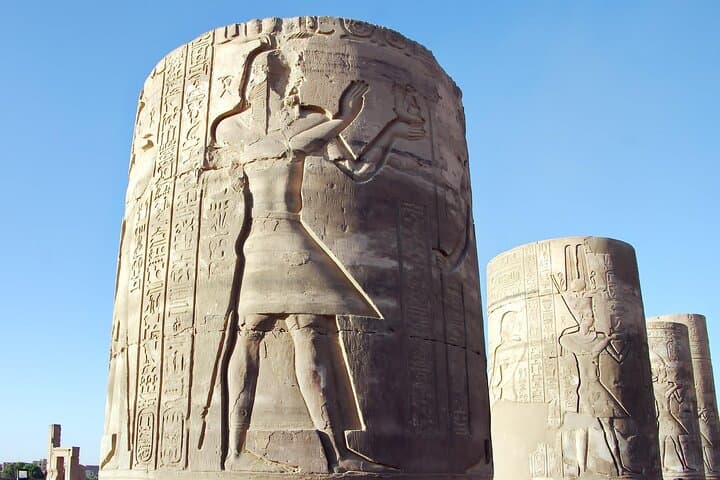
These sites sit on ground shaped by the Nile's annual rhythms and millennia of human hands. Karnak grew under New Kingdom pharaohs, an accretion of pylons, obelisks and chapels; Luxor Temple, rebuilt and reused from the 14th century BC onward, reads as a sequence of processional spaces and colossal statues. Read the stone: inscriptions record temple economics and royal ambitions as clearly as any modern ledger.
Practicalities: this half-day tour runs about 3–4 hours, with roughly 1.5–2 km of walking over flat but uneven stone and sand—little elevation gain. Expect exposed sun and reflective surfaces; early morning or late afternoon slots reduce heat and crowds. Photography is allowed but avoid flash on delicate reliefs and follow your guide's directions.
Bring a reusable water bottle and wear closed shoes with good traction; sunscreen and a wide-brim hat are essential. Respect local customs with modest clothing and keep a steady pace—temple complexes reward slow observation. The tour returns you to your hotel, leaving time to explore Luxor's markets or rest beside the Nile.
Yes; the tour itinerary indicates admissions to Karnak and Luxor Temples are included in the booking.
Pickup and return to your hotel are provided; confirm pickup point on booking and have passport details ready if requested.
Modest, breathable clothing covering shoulders and knees is recommended out of cultural respect and sun protection; comfortable closed shoes are advised.
The sites have uneven stone and sand; while the tour is low-impact, wheelchair access is limited—contact the operator to discuss specific needs.
NORTH AFRICAN SHIPPING AND TOURISM COMPANY (NASCO TOURS) operates guided outdoor trips and adventures with an emphasis on safety, stewardship, and memorable experiences.


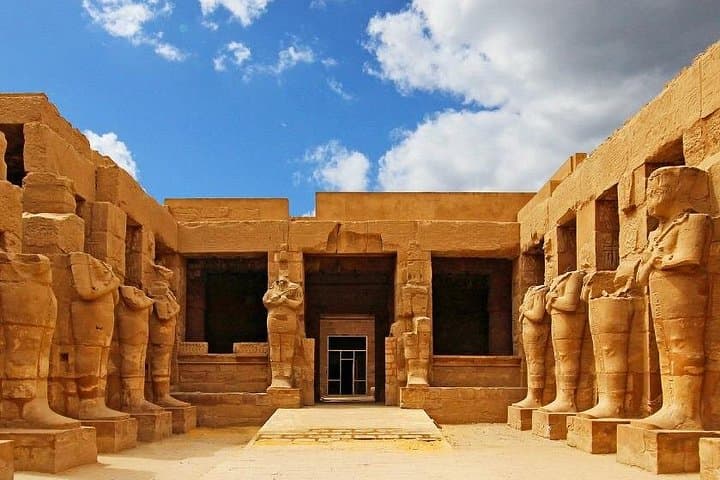
Early morning light slices across sandstone columns as you step from an air-conditioned vehicle onto the wide stone avenue that leads to Karnak. The air is dry; the Nile nearby dares you to slow down and look closer. You move beneath the Hypostyle Hall where columns rise like an artificial forest—each capital carved with kings' names—and past the Sacred Lake, a quiet pool that once serviced temple rituals.
Early morning light slices across sandstone columns as you step from an air-conditioned vehicle onto the wide stone avenue that leads to Karnak. The air is dry; the Nile nearby dares you to slow down and look closer. You move beneath the Hypostyle Hall where columns rise like an artificial forest—each capital carved with kings' names—and past the Sacred Lake, a quiet pool that once serviced temple rituals.
These sites sit on ground shaped by the Nile's annual rhythms and millennia of human hands. Karnak grew under New Kingdom pharaohs, an accretion of pylons, obelisks and chapels; Luxor Temple, rebuilt and reused from the 14th century BC onward, reads as a sequence of processional spaces and colossal statues. Read the stone: inscriptions record temple economics and royal ambitions as clearly as any modern ledger.
Practicalities: this half-day tour runs about 3–4 hours, with roughly 1.5–2 km of walking over flat but uneven stone and sand—little elevation gain. Expect exposed sun and reflective surfaces; early morning or late afternoon slots reduce heat and crowds. Photography is allowed but avoid flash on delicate reliefs and follow your guide's directions.
Bring a reusable water bottle and wear closed shoes with good traction; sunscreen and a wide-brim hat are essential. Respect local customs with modest clothing and keep a steady pace—temple complexes reward slow observation. The tour returns you to your hotel, leaving time to explore Luxor's markets or rest beside the Nile.