THE ADVENTURE COLLECTIVE® · Independent discovery and booking for outdoor travel

Spend a full day moving between the dense bazaar lanes of Old Delhi and the broad ceremonial avenues of New Delhi on a private, guided 8-hour tour. Expect rickshaw rides, Mughal monuments, and curated historical context with a local guide.
Spend a full day moving between the dense bazaar lanes of Old Delhi and the broad ceremonial avenues of New Delhi on a private, guided 8-hour tour. Expect rickshaw rides, Mughal monuments, and curated historical context with a local guide.
You step out into a dawn-charged Delhi, the air thick with spice-scented steam and the distant rumble of cycle rickshaws. Narrow lanes of Old Delhi push and pulse around Jama Masjid’s red-sandstone façade while broad tree-lined avenues of New Delhi open out toward India Gate and the Rashtrapati Bhavan.
Verified experiences and guided adventures in the surrounding area.
Operated by Tour Guide Delhi · New Delhi, Delhi
You step out into a dawn-charged Delhi, the air thick with spice-scented steam and the distant rumble of cycle rickshaws. Narrow lanes of Old Delhi push and pulse around Jama Masjid’s red-sandstone façade while broad tree-lined avenues of New Delhi open out toward India Gate and the Rashtrapati Bhavan.
This private 8-hour route threads Mughal-era monuments, British Raj-era civic planning, and modern Indian life. Old Delhi began as Shahjahanabad in the 17th century; its lanes grew around markets such as Khari Baoli, Asia’s largest spice market, where crushed seeds still send a warm perfume into the air. By contrast, New Delhi is a planned imperial capital from the early 20th century—wide vistas, government buildings by Lutyens, and sober memorials like Raj Ghat.
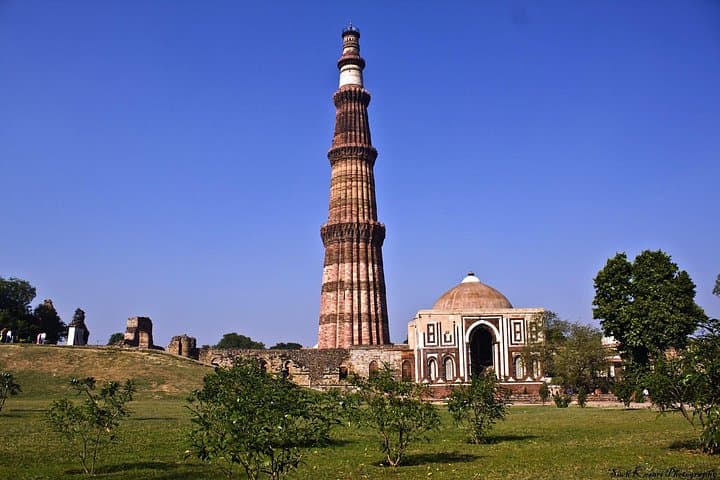
Expect architectural shifts—Mughal domes, Persian-influenced garden tombs at Humayun’s Tomb, and the tapering brick minaret of Qutub Minar—set against everyday scenes of street food vendors and locals on their way to work.
Practical guidance: the day involves multiple short walks and vehicle transfers, so wear sturdy, breathable shoes and carry a refillable water bottle. Morning and late-afternoon windows are coolest for photography and rickshaw rides through Chandni Chowk. Carry a copy of ID for any monument entry, respect dress codes at religious sites, and set aside extra time for traffic between distant stops.
A private guide and air-conditioned car keep the day efficient—use that convenience to focus on context and stories: who built these places, why they were sited here, and how the city still rearranges itself around them.
Yes—private pickup and drop-off in Delhi, Gurugram, and Noida are included; specify your location when booking.
Entrance fees are included only if you choose the All-Inclusive option; otherwise you pay per-site admissions as needed.
The itinerary notes wheelchair-accessible transport and some accessible surfaces, but specific monuments may have steps—check with the operator for site-by-site access.
A buffet lunch is included only with the All-Inclusive option; otherwise you can eat at a recommended local restaurant during the tour.
Tour Guide Delhi operates guided outdoor trips and adventures with an emphasis on safety, stewardship, and memorable experiences.

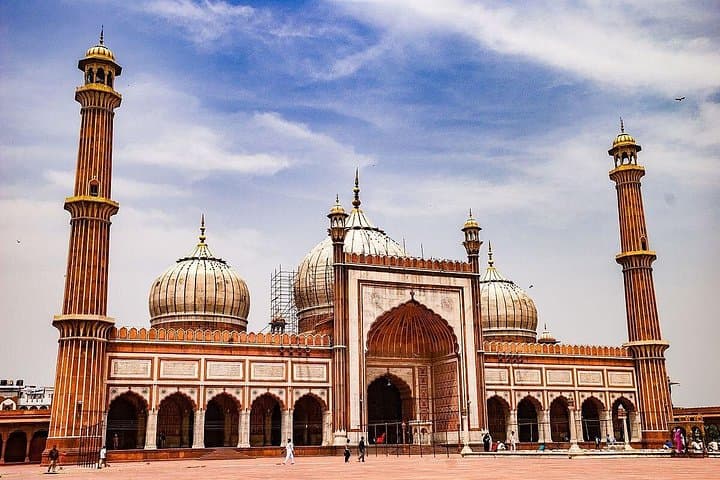

You step out into a dawn-charged Delhi, the air thick with spice-scented steam and the distant rumble of cycle rickshaws. Narrow lanes of Old Delhi push and pulse around Jama Masjid’s red-sandstone façade while broad tree-lined avenues of New Delhi open out toward India Gate and the Rashtrapati Bhavan.
You step out into a dawn-charged Delhi, the air thick with spice-scented steam and the distant rumble of cycle rickshaws. Narrow lanes of Old Delhi push and pulse around Jama Masjid’s red-sandstone façade while broad tree-lined avenues of New Delhi open out toward India Gate and the Rashtrapati Bhavan.
This private 8-hour route threads Mughal-era monuments, British Raj-era civic planning, and modern Indian life. Old Delhi began as Shahjahanabad in the 17th century; its lanes grew around markets such as Khari Baoli, Asia’s largest spice market, where crushed seeds still send a warm perfume into the air. By contrast, New Delhi is a planned imperial capital from the early 20th century—wide vistas, government buildings by Lutyens, and sober memorials like Raj Ghat.
Expect architectural shifts—Mughal domes, Persian-influenced garden tombs at Humayun’s Tomb, and the tapering brick minaret of Qutub Minar—set against everyday scenes of street food vendors and locals on their way to work.
Practical guidance: the day involves multiple short walks and vehicle transfers, so wear sturdy, breathable shoes and carry a refillable water bottle. Morning and late-afternoon windows are coolest for photography and rickshaw rides through Chandni Chowk. Carry a copy of ID for any monument entry, respect dress codes at religious sites, and set aside extra time for traffic between distant stops.
A private guide and air-conditioned car keep the day efficient—use that convenience to focus on context and stories: who built these places, why they were sited here, and how the city still rearranges itself around them.