THE ADVENTURE COLLECTIVE® · Independent discovery and booking for outdoor travel

A short drive from Osogbo, the Osun-Osogbo Sacred Grove pairs modern sculpture with living Yoruba ritual across 75 hectares beside the Osun River. This guided visit offers a close look at carved shrines, daily worship, and the riverside trails that define one of Nigeria’s most important cultural landscapes.
A short drive from Osogbo, the Osun-Osogbo Sacred Grove pairs modern sculpture with living Yoruba ritual across 75 hectares beside the Osun River. This guided visit offers a close look at carved shrines, daily worship, and the riverside trails that define one of Nigeria’s most important cultural landscapes.
Early light on the Osun River throws a pale gold across carved concrete figures and mossed pathways—visitors step from an air-conditioned vehicle into a living shrine where art and faith meet the forest.
Verified experiences and guided adventures in the surrounding area.
Operated by Samap Travels & Tours LTD · Osogbo, Osun State
Early light on the Osun River throws a pale gold across carved concrete figures and mossed pathways—visitors step from an air-conditioned vehicle into a living shrine where art and faith meet the forest.
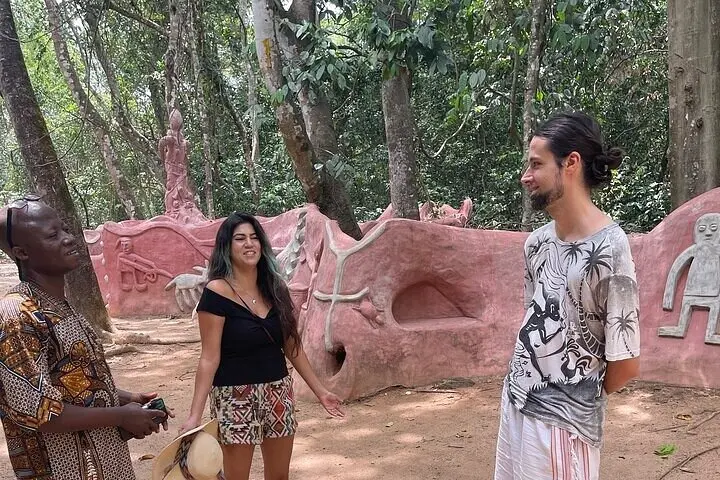
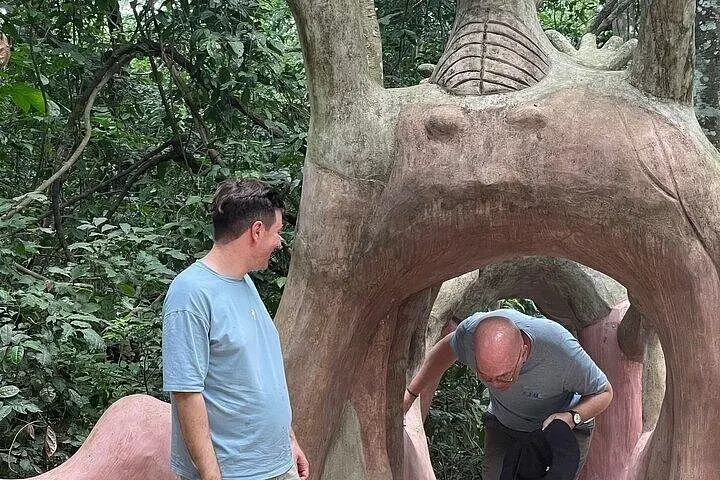
The Osun-Osogbo Sacred Grove, a 75-hectare UNESCO World Heritage site, sits on the outskirts of Osogbo and follows a looping stretch of the Osun River. Once a neglected patch of secondary forest, 20th-century artists and carvers restored temples, shrines and monumental sculptures that now mark shrines to the Yoruba river goddess Osun. The grove’s sculptures are modern, but the spiritual practices are ancestral: daily offerings, divination, and the annual Osun Festival in August draw devotees from across Yorubaland and the diaspora.
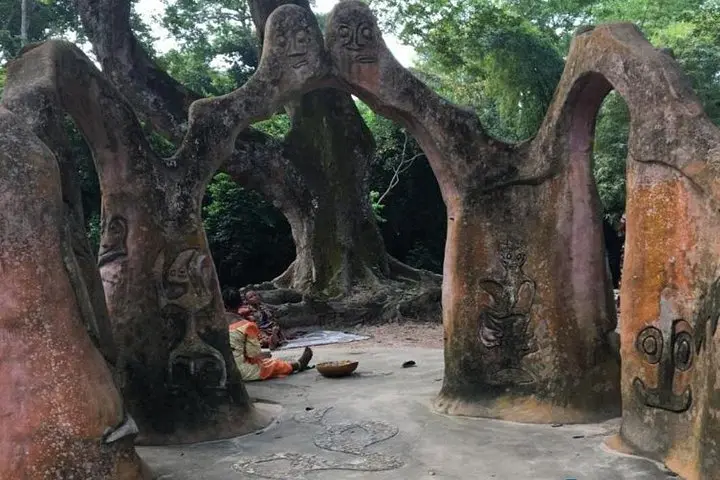
Geologically the site is low-lying, riverine terrain—sandy soils, exposed lateritic bedrock in places, and stands of tropical hardwood. Culturally the grove functions as both a public park and an active place of worship; guides will point out carved gateways, sanctified pools, and ritual altars where priests and priestesses maintain practice.
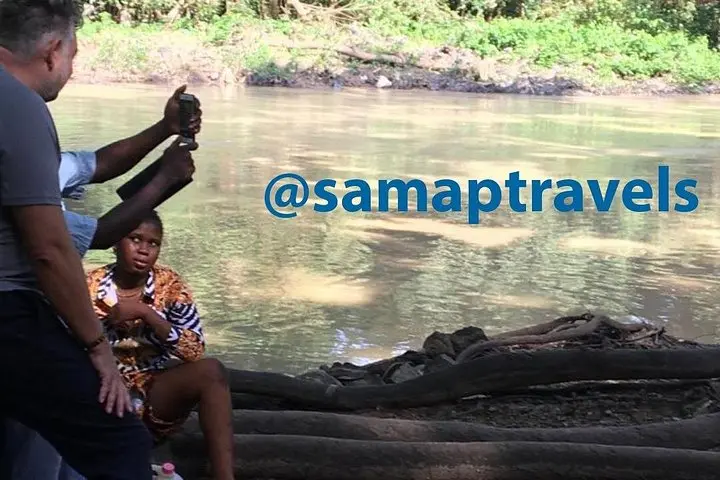
Practical guidance: tours run as short excursions from Lagos (typical 3–6 hours including transfer). Wear closed, slip-resistant shoes for uneven, sometimes muddy trails; bring water, insect repellent, and a modest layer for shade. Photography is generally permitted, but always ask before photographing rituals or priests. Morning visits are cooler and quieter; expect a mix of interpretive narrative and time to walk the main circuits. Respect offerings, follow your guide’s lead, and allow extra time if you’d like to linger near the riverbank.
Guided visits typically last 1–2 hours on site; total trip time from Lagos, including transport, is usually 3–6 hours.
Much of the site is walkable and generally suitable for children; some paths are uneven, and steep steps near shrines may limit full stroller access.
Admission is commonly included with organized tours; because the grove is an active religious site, visitors should follow dress and behavior guidelines provided by the guide.
Morning visits avoid midday heat and crowds; the annual Osun Festival in August offers a culturally rich experience but is significantly busier.
Samap Travels & Tours LTD operates guided outdoor trips and adventures with an emphasis on safety, stewardship, and memorable experiences.
Early light on the Osun River throws a pale gold across carved concrete figures and mossed pathways—visitors step from an air-conditioned vehicle into a living shrine where art and faith meet the forest.
Early light on the Osun River throws a pale gold across carved concrete figures and mossed pathways—visitors step from an air-conditioned vehicle into a living shrine where art and faith meet the forest.
The Osun-Osogbo Sacred Grove, a 75-hectare UNESCO World Heritage site, sits on the outskirts of Osogbo and follows a looping stretch of the Osun River. Once a neglected patch of secondary forest, 20th-century artists and carvers restored temples, shrines and monumental sculptures that now mark shrines to the Yoruba river goddess Osun. The grove’s sculptures are modern, but the spiritual practices are ancestral: daily offerings, divination, and the annual Osun Festival in August draw devotees from across Yorubaland and the diaspora.
Geologically the site is low-lying, riverine terrain—sandy soils, exposed lateritic bedrock in places, and stands of tropical hardwood. Culturally the grove functions as both a public park and an active place of worship; guides will point out carved gateways, sanctified pools, and ritual altars where priests and priestesses maintain practice.
Practical guidance: tours run as short excursions from Lagos (typical 3–6 hours including transfer). Wear closed, slip-resistant shoes for uneven, sometimes muddy trails; bring water, insect repellent, and a modest layer for shade. Photography is generally permitted, but always ask before photographing rituals or priests. Morning visits are cooler and quieter; expect a mix of interpretive narrative and time to walk the main circuits. Respect offerings, follow your guide’s lead, and allow extra time if you’d like to linger near the riverbank.