THE ADVENTURE COLLECTIVE® · Independent discovery and booking for outdoor travel

A dramatic set of limestone canyons and ancient black pine forests on Velebit's southern slopes, Paklenica National Park is a day-trip playground for hikers, climbers, and nature lovers. Print your voucher, pick a trail, and step into Croatia's canyon country.
A dramatic set of limestone canyons and ancient black pine forests on Velebit's southern slopes, Paklenica National Park is a day-trip playground for hikers, climbers, and nature lovers. Print your voucher, pick a trail, and step into Croatia's canyon country.
The path narrows and the rock presses in on both sides—grey limestone walls rising like the pages of a hardback book. A cool draft snakes out of Velika Paklenica, carrying the scent of resin and cold stone. Hikers exchange footsteps for whispers here: every crack is a story, every tree a survivor. This is Paklenica National Park, where canyon mouths open to alpine ridgelines and the Velebit massif scrapes the Adriatic sky.
Verified experiences and guided adventures in the surrounding area.
Operated by Gulliver Travel · Starigrad-Paklenica, Zadar County
The path narrows and the rock presses in on both sides—grey limestone walls rising like the pages of a hardback book. A cool draft snakes out of Velika Paklenica, carrying the scent of resin and cold stone. Hikers exchange footsteps for whispers here: every crack is a story, every tree a survivor. This is Paklenica National Park, where canyon mouths open to alpine ridgelines and the Velebit massif scrapes the Adriatic sky.
Declared a national park in 1949 to protect the largest intact forest complex on the Dalmatian littoral, Paklenica sits on the southern slope of Velebit. The park squeezes 95 km2 into a compact but topographically intense landscape—two main canyons, Velika and Mala Paklenica, carved by torrents cutting down from peaks like Vaganski vrh. Geologically, the park is limestone country: vertical cliffs, karst caves, and abrupt ridges shaped by water and time. Culturally, its name hints at local practice—paklina, the black pine resin once used for sealing boats and treating wounds—an old link between people and place.
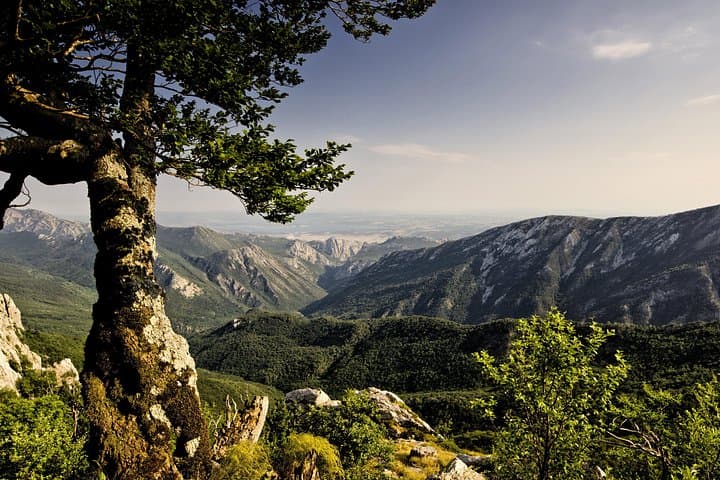
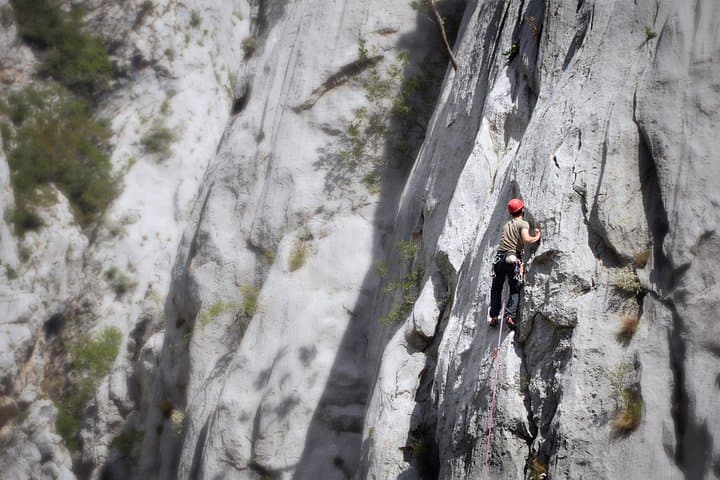
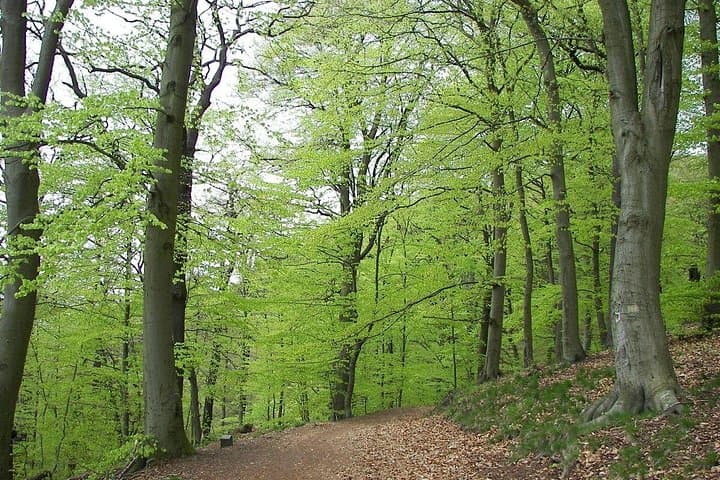
The park manages contrasts. Below, autochthonous black pine and mixed beech stands hold soil and shade; above, scrub and rocky ledges give way to panoramic mountain views. Wildlife moves quietly: chamois and raptors patrol the slopes; endemic plants cling to ledges that dare you to photograph them. Climbing history lives here too—Anića Kuk is one of Europe’s classic sport-climbing walls, a vertical playground of overhangs and cracks.
Practicalities are simple but essential. The admission ticket grants access for a day—print the voucher and exchange it at the ticket office on arrival. Trails range from short canyon walks to steep ascents toward the Velebit ridge; most visitors cover the Velika Paklenica trail and optional side trips to Anića Kuk or viewpoints above the canyon.
Plan for variable weather: mornings can be cool in the shade of the gorge, while exposed trails heat quickly in summer. Hydration and sun protection matter; footwear should handle rocky, sometimes loose terrain. If you aim for longer ridge routes, expect exposed sections and plan for navigation and extra layers. Facilities are basic—use the visitor center to orient yourself and check trail conditions before heading out.
For a single day immersed in raw karst and old forests, Paklenica rewards attentiveness: the bark-scarred black pines that gave the park its name, the carved walls that call climbers, and the quiet where a canyon can make even a loud town like Zadar feel far away. Go with purpose, move with respect, and let the cliffs do the talking.
Yes—this supplier requires a printed voucher to exchange for entry tickets at the park ticket office.
The ticket is valid for a single-day visit; most visitors spend 4–8 hours exploring the main trails.
Dogs are generally allowed but must be kept on a leash; check at the visitor center for any seasonal restrictions.
Yes—Paklenica is a major climbing area; the ticket grants access but climbers should bring appropriate gear and follow local regulations.
This product is an admission ticket only. Guided hikes can be arranged separately through local operators in Starigrad or Zadar.
Main canyon approaches are rocky and uneven; accessibility is limited—contact the visitor center for current information on prepared paths.
Gulliver Travel operates guided outdoor trips and adventures with an emphasis on safety, stewardship, and memorable experiences.
The path narrows and the rock presses in on both sides—grey limestone walls rising like the pages of a hardback book. A cool draft snakes out of Velika Paklenica, carrying the scent of resin and cold stone. Hikers exchange footsteps for whispers here: every crack is a story, every tree a survivor. This is Paklenica National Park, where canyon mouths open to alpine ridgelines and the Velebit massif scrapes the Adriatic sky.
The path narrows and the rock presses in on both sides—grey limestone walls rising like the pages of a hardback book. A cool draft snakes out of Velika Paklenica, carrying the scent of resin and cold stone. Hikers exchange footsteps for whispers here: every crack is a story, every tree a survivor. This is Paklenica National Park, where canyon mouths open to alpine ridgelines and the Velebit massif scrapes the Adriatic sky.
Declared a national park in 1949 to protect the largest intact forest complex on the Dalmatian littoral, Paklenica sits on the southern slope of Velebit. The park squeezes 95 km2 into a compact but topographically intense landscape—two main canyons, Velika and Mala Paklenica, carved by torrents cutting down from peaks like Vaganski vrh. Geologically, the park is limestone country: vertical cliffs, karst caves, and abrupt ridges shaped by water and time. Culturally, its name hints at local practice—paklina, the black pine resin once used for sealing boats and treating wounds—an old link between people and place.
The park manages contrasts. Below, autochthonous black pine and mixed beech stands hold soil and shade; above, scrub and rocky ledges give way to panoramic mountain views. Wildlife moves quietly: chamois and raptors patrol the slopes; endemic plants cling to ledges that dare you to photograph them. Climbing history lives here too—Anića Kuk is one of Europe’s classic sport-climbing walls, a vertical playground of overhangs and cracks.
Practicalities are simple but essential. The admission ticket grants access for a day—print the voucher and exchange it at the ticket office on arrival. Trails range from short canyon walks to steep ascents toward the Velebit ridge; most visitors cover the Velika Paklenica trail and optional side trips to Anića Kuk or viewpoints above the canyon.
Plan for variable weather: mornings can be cool in the shade of the gorge, while exposed trails heat quickly in summer. Hydration and sun protection matter; footwear should handle rocky, sometimes loose terrain. If you aim for longer ridge routes, expect exposed sections and plan for navigation and extra layers. Facilities are basic—use the visitor center to orient yourself and check trail conditions before heading out.
For a single day immersed in raw karst and old forests, Paklenica rewards attentiveness: the bark-scarred black pines that gave the park its name, the carved walls that call climbers, and the quiet where a canyon can make even a loud town like Zadar feel far away. Go with purpose, move with respect, and let the cliffs do the talking.